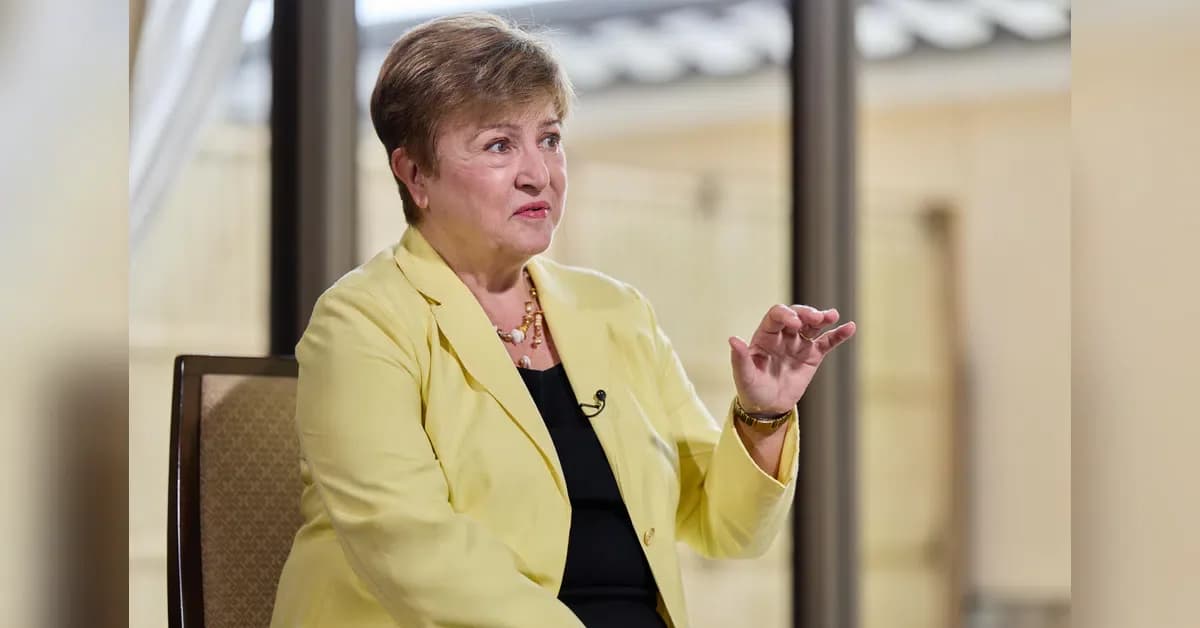
The **World Health Organisation (WHO) has launched a Continental Preparedness and Response Plan estimated at **$518 million for the Democratic Republic of Congo (DRC) Ebola outbreak. According to reports from Business Standard, the plan covers the period from June to November 2026 and includes partnerships with major international organisations such as UNICEF, Refugees, WFP, ifrc and FINDdx. WHO Director-General Tedros Adhanom Ghebreyesus emphasised that containing Ebola depends on political commitment, sustained financing, and community engagement. In a post on X, Tedros wrote, "Containing #Ebola depends on political commitment, sustained financing, and the trust and engagement of communities."
Tedros Adhanom Ghebreyesus held a constructive meeting with DRC President Felix Tshisekedi earlier this week to discuss the Bundibugyo Ebola outbreak. As reported by Business Standard, the WHO Chief briefed the President on his visit to Bunia, the hardest-hit province, and progress in scaling up diagnostics and treatment, including an Ebola treatment center built by WHO and handed over to health authorities. Both leaders agreed that controlling the outbreak depends on community mobilisation, requiring mobilising local leaders and networks, ensuring safe and dignified burials, and strengthening infection prevention. Tedros shared on X that they agreed "stopping this outbreak depends on communities" and emphasised the need for helping people with symptoms seek care early, when it can save lives.
The WHO Director-General stressed that even as they fight Ebola, essential health and humanitarian services must not be neglected. According to Business Standard, he praised DRC's frontline health workers for their extraordinary dedication and emphasised that they must be properly supported to do their jobs. The international community was urged to back the DRC-led response with coordinated support and real resources, while avoiding imposing travel or trade measures that only hinder the response effort. Tedros wrote on X that "at this critical moment, the international community must back the DRC-led response with coordinated support and real resources, and it must not impose travel or trade measures that only hinder it."
Ebola disease is a viral haemorrhagic fever caused by infection with the Bundibugyo virus strain of Ebola virus. As reported by Business Standard, it is a serious disease with a high mortality rate, and at present, no vaccines or specific treatments have been approved to prevent or treat Ebola disease caused by the Bundibugyo virus strain. Tedros highlighted on X that encouragingly, patients have already recovered and returned home, proving that early treatment works and serving as a reminder of why they must reach every person who needs care. The WHO will continue supporting the response until the outbreak ends and will use this emergency to build a stronger health system across the country. Recent assessments indicate that preparedness levels are at approximately 59%, though this remains variable and requires continued preparation efforts.