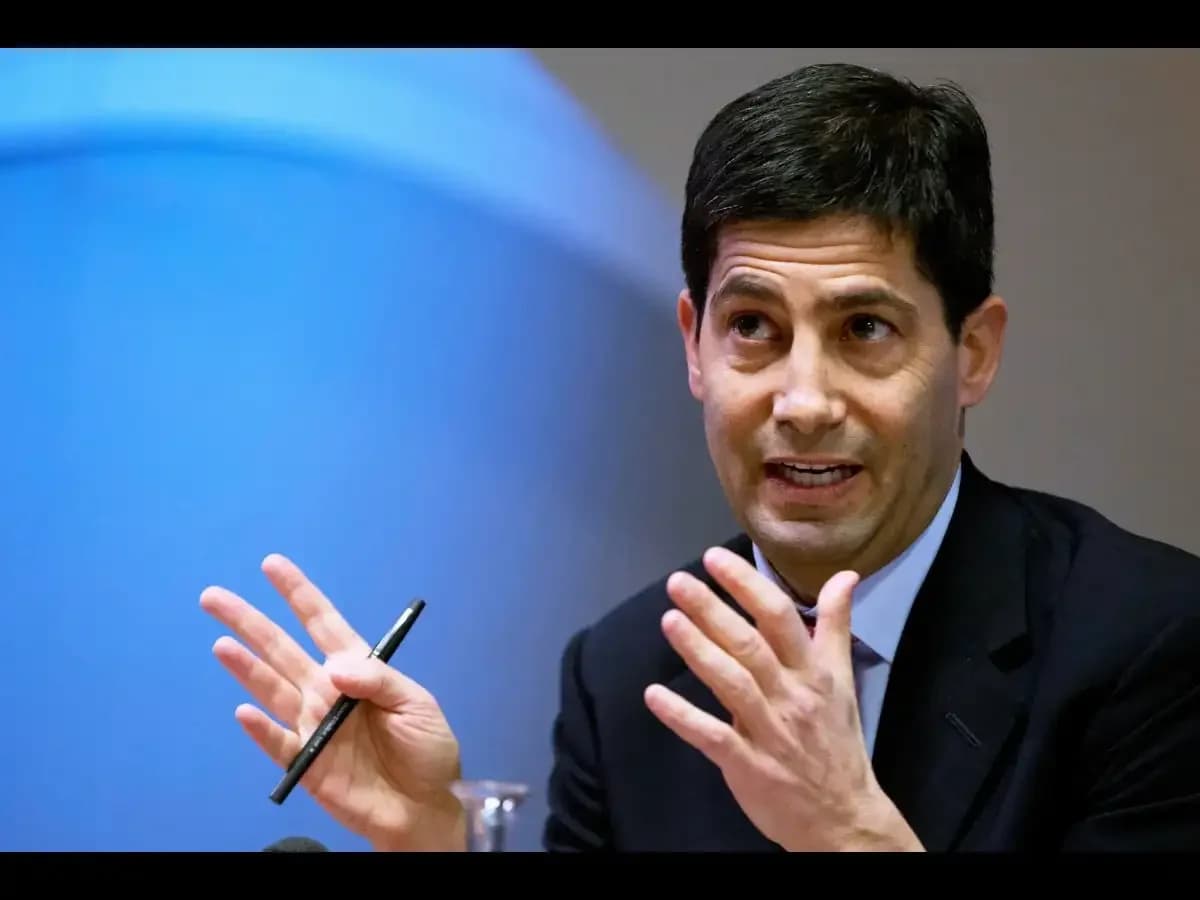
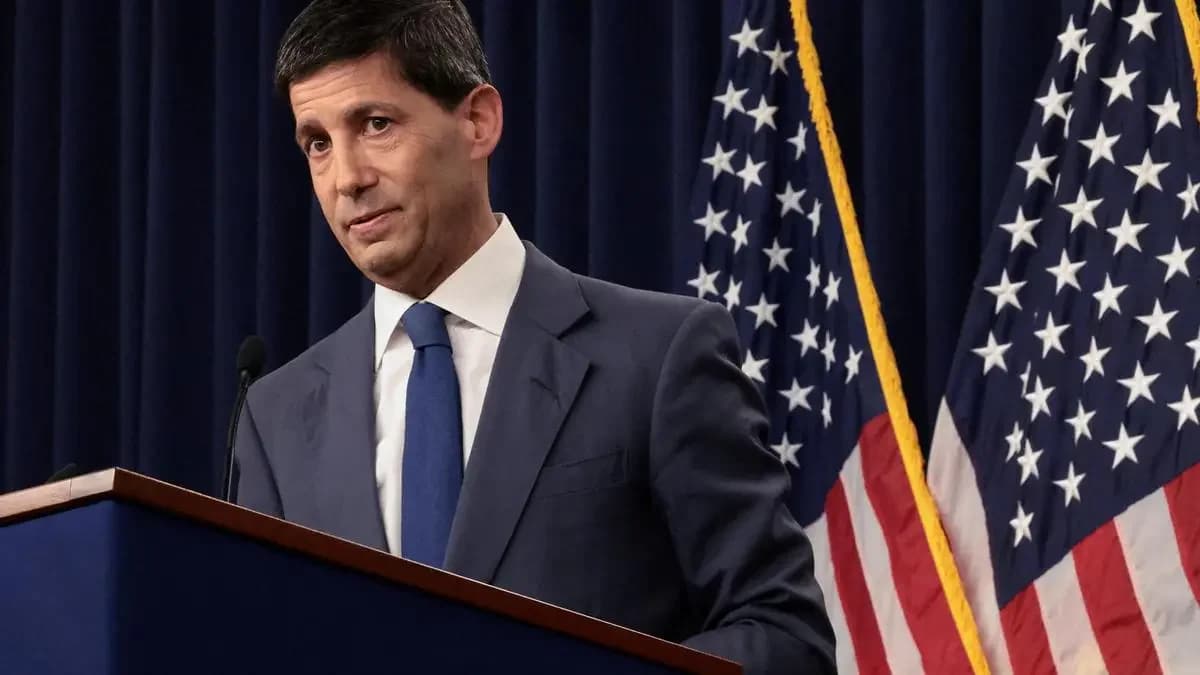
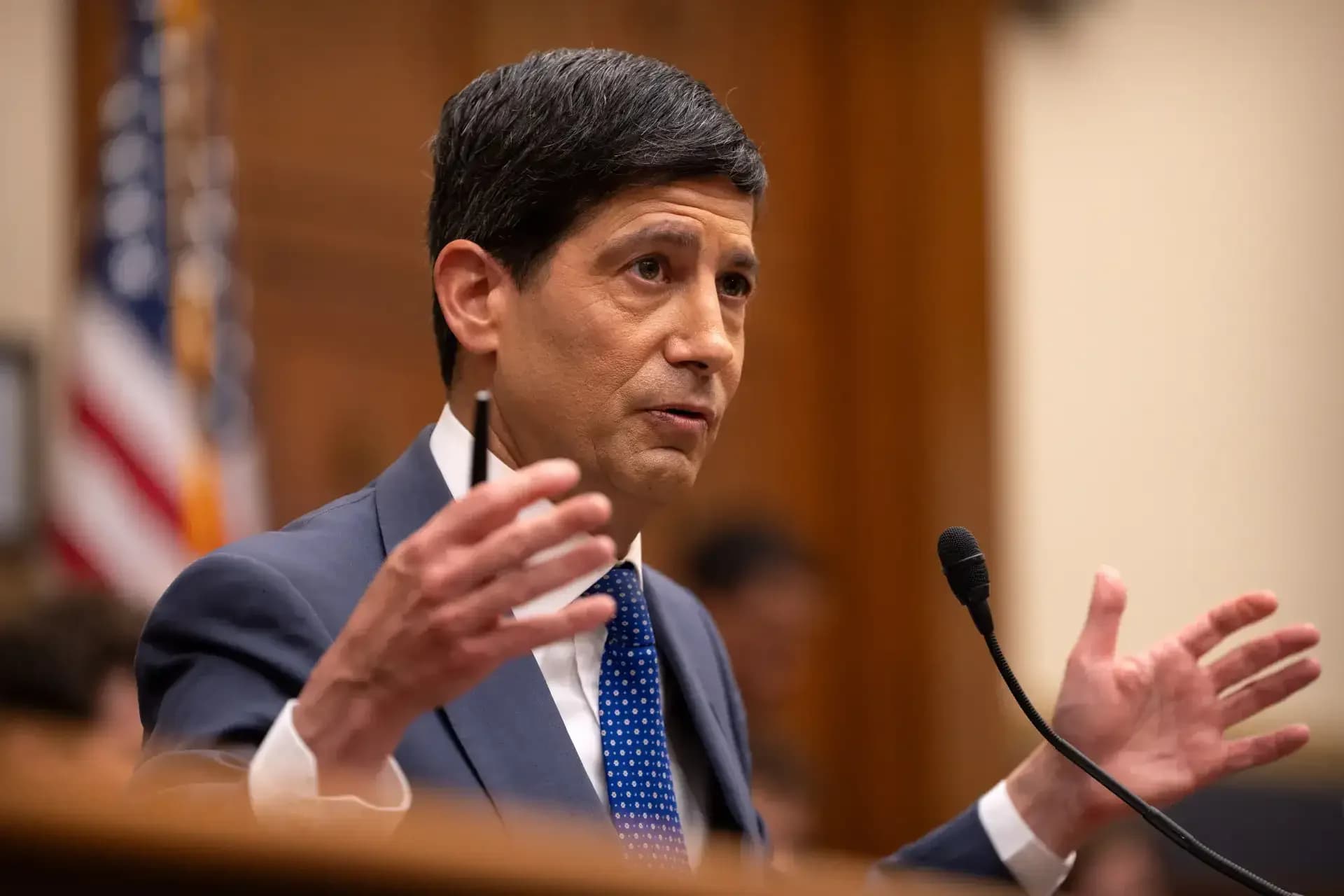
Incoming U.S. Federal Reserve Chair Kevin Warsh has advocated limiting the release of Federal Reserve rate-setting meeting transcripts to improve policy deliberations, according to remarks in an upcoming book. As reported by The Economic Times, Warsh, who served as Fed governor from 2006 to 2011, argues that current transparency practices undermine the robust debate needed for sound monetary policy decisions. In a 2023 interview with New York University Stern School of Business Professor Simon Bowmaker, Warsh suggested restricting taped sessions and published transcripts to a final 'decision round of discussions' where officials can explain their policy rationale.
According to the interview shared with Reuters, Warsh explained that policymakers 'do not want to appear wrong with the benefit of hindsight, and so they instinctively tend to hedge their bets' when their comments are recorded for release. The 56-year-old lawyer and financier cited a 2014 study for the Bank of England where recording devices were turned off for initial policy meetings to allow more free-flowing discussions. Warsh emphasized that 'if we want that deliberation to be robust, we need a family fight' and wants policymakers to argue as if decisions were '95-5' rather than '60-40' to hear the best arguments.
The Federal Reserve has released full transcripts of two-day sessions since the early 1990s after a five-year delay, with the lag considered a compromise between public transparency and concerns about stifling debate. As reported by The Economic Times, current Fed Chair Jerome Powell is known for extensive canvassing of colleagues before meetings, though Warsh suggests 'fierce deliberation should happen among a larger group' for sound policy decisions. Warsh, who is expected to be confirmed as Fed chief by the U.S. Senate this month, has previously told the Senate Banking Committee that Fed communications policies need retooling to encourage 'messier meetings'.
According to The Economic Times, Warsh may seek to curtail or eliminate the release of Fed's quarterly economic projections, which he considers constraining 'forward guidance.' During his April 20 confirmation hearing, he did not rule out reducing the number of meetings, which law permits to be as few as four annually. The incoming chair may also modify Powell's quarterly press conferences, which differ from his predecessors' quarterly or nonexistent press conference schedules. Michael Arone from State Street Investment Management noted that 'Fed communications are not a light switch, on and off, it's a dial' and suggested Warsh's approach would 'turn it down a few notches.'
As reported by The Economic Times, changing transparency policies would reverse the Fed's trend toward greater disclosure, which includes more expansive policy statements, regular press conferences, and frequent public speeches by Fed officials. Sarah Binder from George Washington University warned that 'changes on disclosure are hard to take back' and noted the 'big, broad movement at the Fed is from very little transparency to a pretty broadly transparent institution.' Former Fed Vice Chair Donald Kohn, involved in initial transcript discussions, acknowledged that while Warsh's points about Fed debates aren't inaccurate, the practice of hearing policymakers ahead of time 'takes away spontaneity too.'