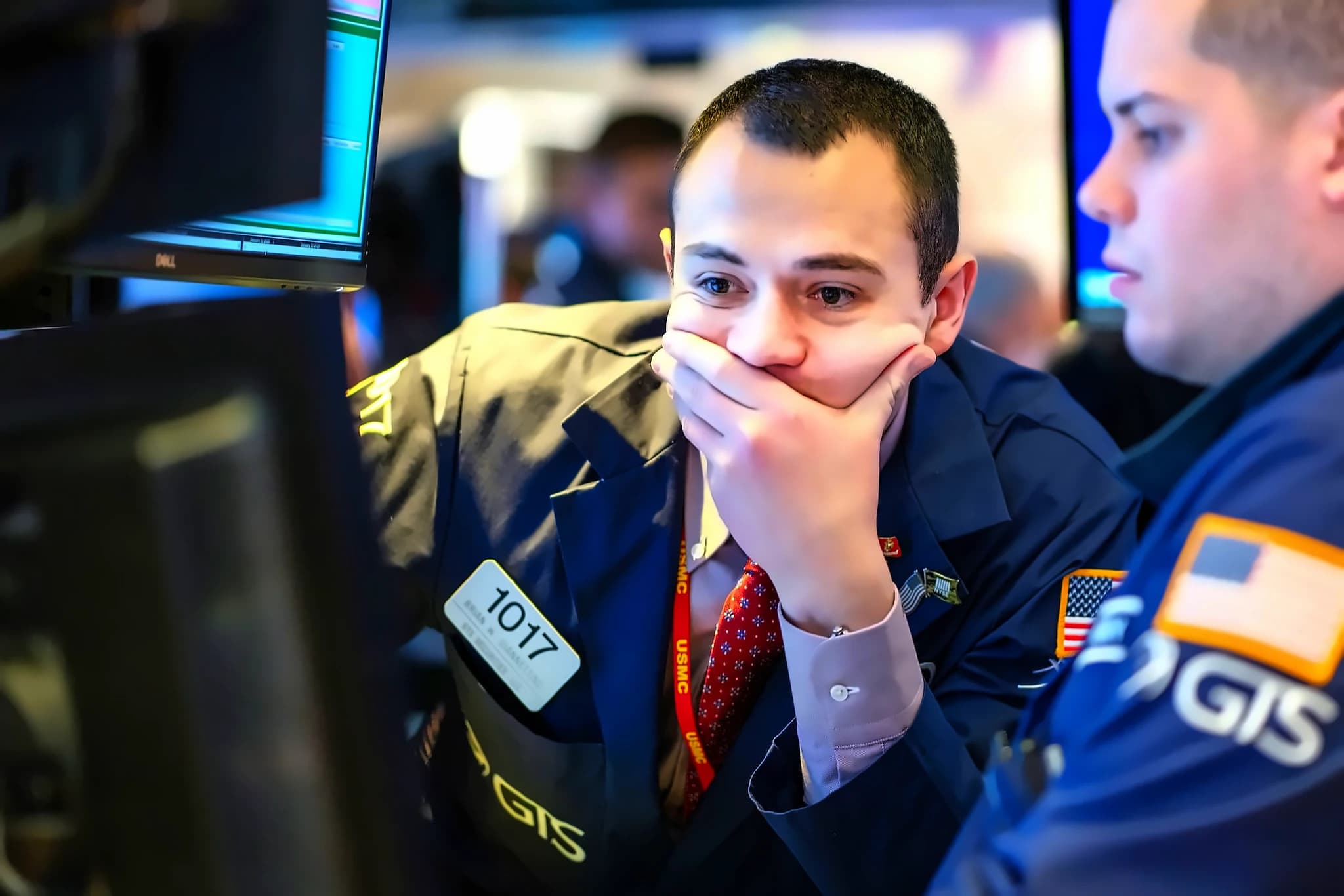
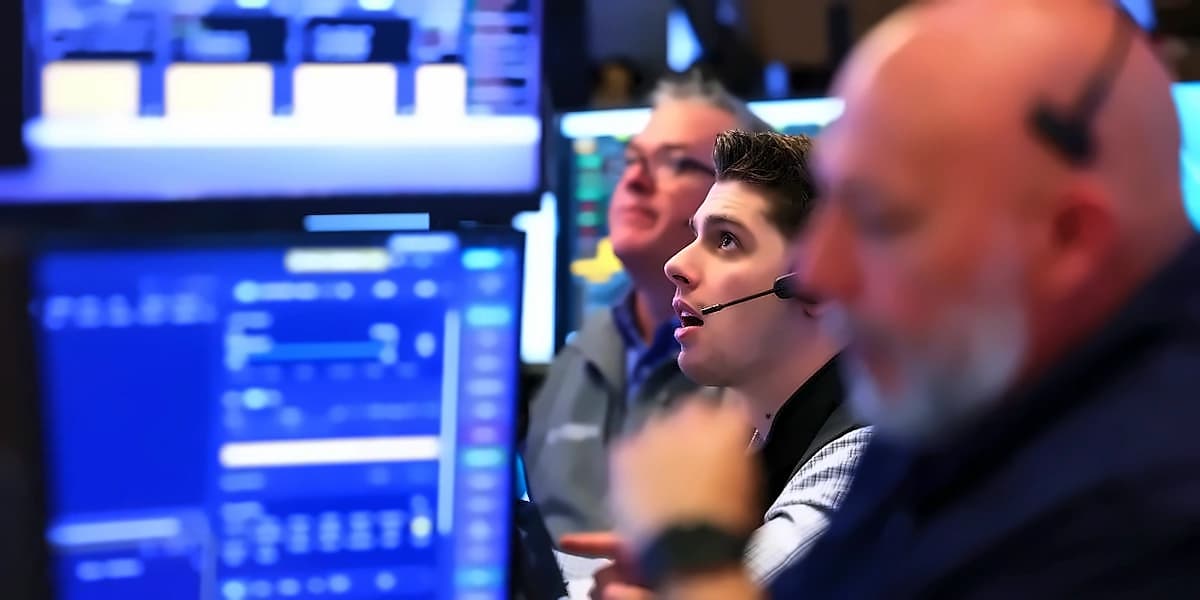
Wall Street is positioned for significant tests this week as markets continue their remarkable rally despite mounting concerns. According to reports from Investing.com India, the Dow Jones notched a record close at 50,579 on Friday, with the S&P 500 up about 17% over the past seven weeks and stocks stretching their win streak to eight sessions, the longest run since 2023. The advance has been powered by earnings and led by technology stocks, though bond markets are pricing risks from higher oil, persistent inflation, and rising government debt. Markets will be closed on Monday for Memorial Day, with futures climbing Sunday night as crude oil plunged amid optimism over potential U.S.-Iran peace talks. However, as MarketWatch reports, the S&P 500 closed last Friday just 0.4% below its record high set on May 14, marking its eighth consecutive week of gains with a cumulative rise of 9.2% so far this year. The latest data shows the S&P 500 Index closed at 7,473 and the Dow Jones hit back-to-back record closes on May 21 and 22, though the path was far from smooth.
Consumer confidence has taken a dramatic turn for the worse, with the University of Michigan Consumer Sentiment Index plummeting to a record low of 44.8 this month, as reported by Interactive Brokers Senior Economist José Torres. Rising gasoline prices are forming a key headwind, particularly for middle- and lower-income households, with Torres noting that "this summer, we'll face higher inflation." The S&P 500 Consumer Discretionary sector is up just 2.3% year-to-date, a sharp contrast to the tech sector's 18.1% gain, exposing underlying weaknesses in consumer spending. According to Charles Schwab's Head of Macro Research Kevin Gordon, the stock market "is reflecting some doubts about consumer performance and whether the economy can withstand a prolonged blockade, but these worries are masked by strong tech performance." This consumer weakness comes as the core PCE price index reading due Thursday will provide crucial insights into inflation trends, with the April PCE print being watched for evidence that price pressures remain sticky under Chair Kevin Warsh.
Bond markets have emerged as a key source of concern for Wall Street, with the benchmark 10-year U.S. Treasury yield climbing to its highest level since January 2025 during the week, while the 30-year yield briefly breached 5.195%, its highest level since 2007 before easing slightly. As reported by Reuters, interest-rate expectations have shifted significantly in recent months, with futures markets now beginning to price in the possibility of another Federal Reserve rate hike later in 2026. However, research by ING, Goldman Sachs, Barclays, and others converges on a critical conclusion: the recent jump in long-term U.S. Treasury yields is mainly driven by the "real yield" (excluding inflation), with inflation expectations playing a relatively minor role. Barclays' U.S. inflation strategy chief Jonathan Hill pointed out that "attributing the recent global duration selloff to inflation worries doesn't match market pricing," with the true drivers being rising debt levels, a potentially higher neutral rate, and AI-driven capital demand. Goldman Sachs' Phillip Lee noted that "persistent fiscal deficits, increased Treasury issuance, and worries about debt sustainability now increasingly explain why investors require higher compensation for holding long-term bonds."
As reported by Investing.com India, AI remains a central theme with Salesforce and Dell being watched for cloud and server demand, while Nvidia is seen as an AI bellwether, forecasted to reach $91 billion in Q2 revenue. The company's outlook reinforced confidence that demand for AI infrastructure and related spending remains robust despite broader economic uncertainties. However, the strength in technology stocks is masking significant underlying market weaknesses. The S&P 500 Information Technology sector has surged 18.1% this year, vastly outperforming the overall index, with tech giants such as Nvidia, Alphabet, Amazon, and Apple serving as the main growth drivers. Yet, as MarketWatch reports, the upcoming batch of mega-IPOs could draw capital away from the rest of the financial markets, with SpaceX officially filing its prospectus to raise at least $80 billion with a potential valuation exceeding $1.5 trillion, expected to list in the second week of June. This IPO boom, combined with the Cboe Volatility Index (VIX) remaining at 16.7%, an unusually high level given the market rally, suggests underlying concerns that may be masked by surface calm. Recent data shows Intel rose 10.18% last week as the strongest move on the US heat list, extending a powerful 222% year-to-date run through May 22, though this gain reflects a "buy the rumour, sell the news" dynamic after record earnings.
Investors are bracing for an unusually risky summer season as midterm election year pressures converge with seasonal market weakness. According to Hirsch Holdings CEO Jeffrey Hirsch, "in midterm election years, political fights at some point overshadow the focus on corporate earnings and the economy," as the battle for congressional control stokes uncertainty. The S&P 500's average return from the end of April to the end of September in midterm election years is -2.8%, with historical samples showing drops over 25% in 1930, 29.6% in 1974, and 24.3% in 2002. Even excluding these three extremes, the rest of the samples only barely break even, with a median performance of 0.006%. However, Infrastructure Capital Advisors CEO Jay Hatfield notes that "a split government is usually bullish for the stock market," as the Democratic Party is widely seen as having a clearer path to retake the House while the Senate remains controlled by Republicans with an effective 53-47 majority. The current S&P 500 trend is deviating significantly from typical midterm weakness, with the index up 3.7% since May, though this divergence may not continue as political uncertainty typically overshadows corporate earnings focus.