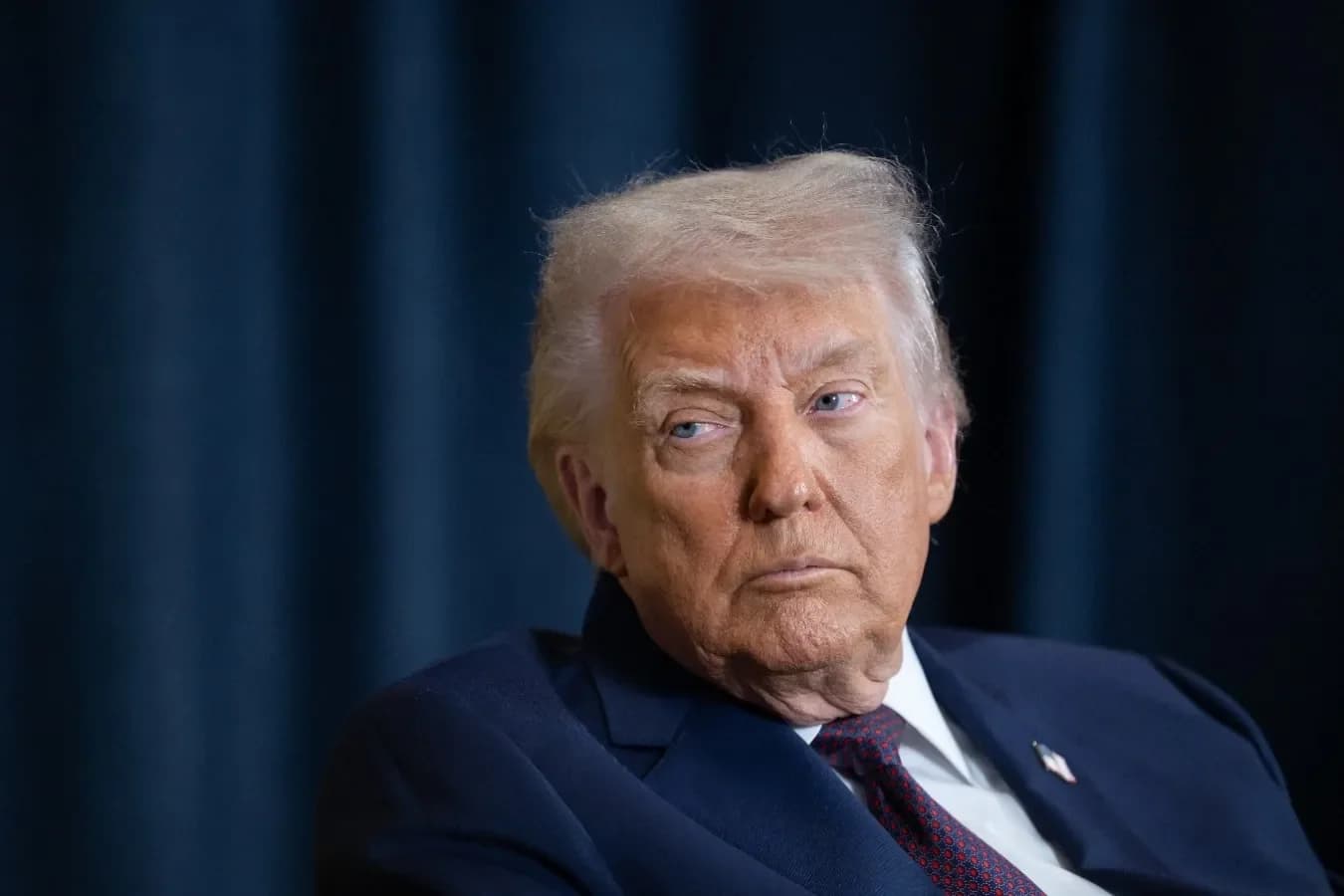
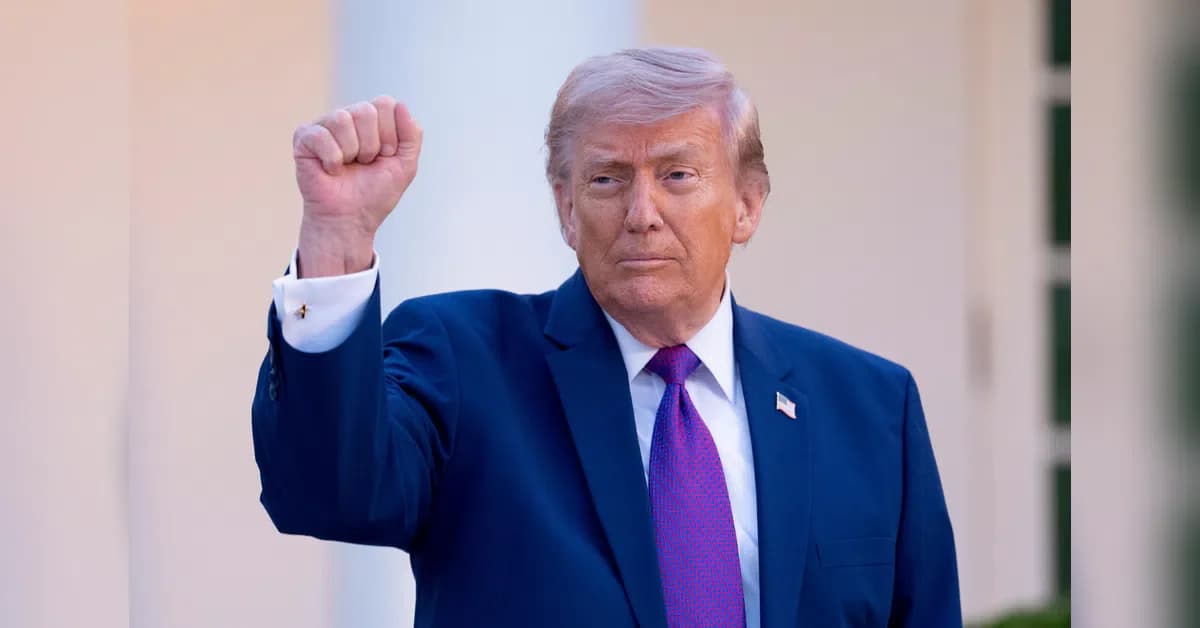
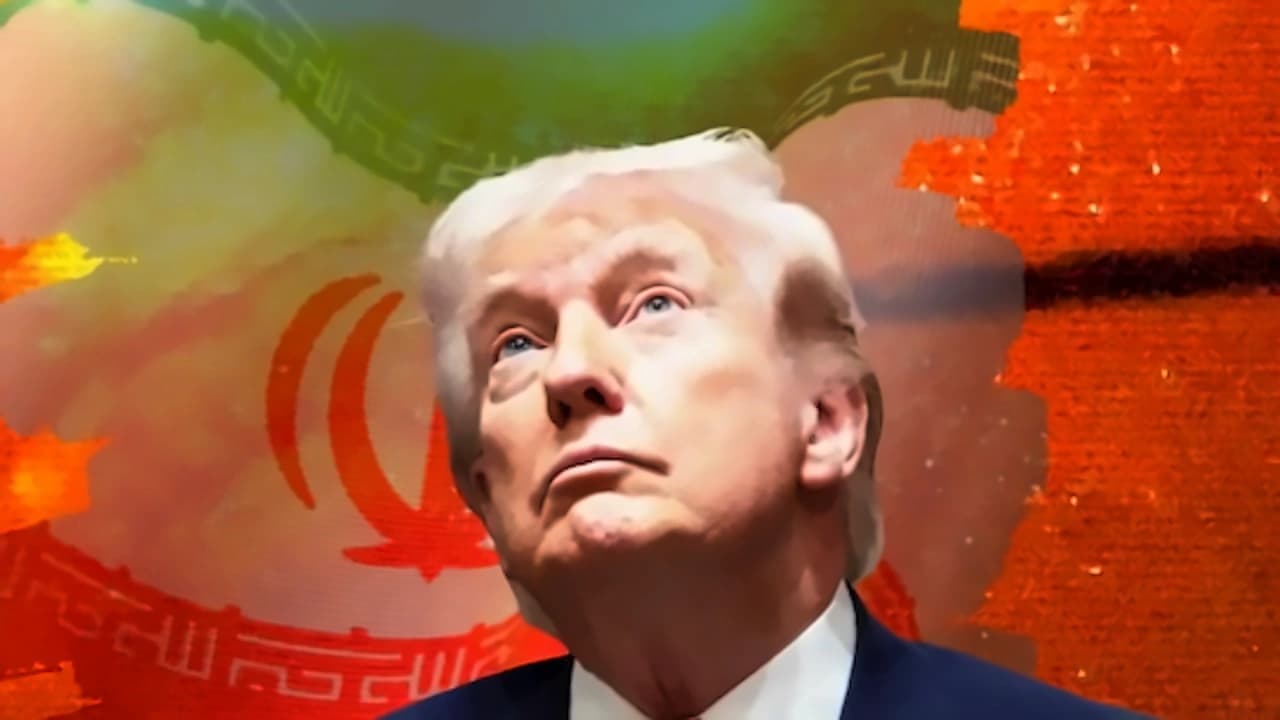
US President Donald Trump on Friday defended Vice President JD Vance's refusal to call the Iran conflict a war, describing it as 'small potatoes' during an Oval Office exchange. Asked about Vance's comments made Thursday, Trump noted that US strikes on Iran are now 'intermittent' and seemed to downplay the intensity of a war that has cost US taxpayers more than ₹37.5 billion and left 18 US service members dead. 'I can understand what he's saying,' said Trump, adding 'I call it a military conflict because it's small potatoes for us. It's not a big thing.' The President emphasized that the conflict, which began on February 28, has not deployed troops into Iran and has been carried out primarily through air strikes by the US and Israel.
Vice President JD Vance declined to provide a timeline for resolving the conflict with Iran, telling reporters at the White House that the Trump administration would not commit to any specific deadline. According to reports from CBS News, Vance first pushed back on the premise of the question, stating 'I wouldn't call it a war. Right now, there is no active shooting' while acknowledging that 'there have been places where this has flared up.' He emphasized that setting a timeline would be 'irresponsible for us to write out our strategy and our timeline'. Vance's latest remarks came as Iran and the United States exchanged intense fire in the months-long conflict, with the Vice President pointing to the Strait of Hormuz as a focal point and accusing Iran of preventing the flow of traffic through the vital trade route. Vance's assertion came even as Iran fired at US Gulf ally Kuwait on Thursday in retaliation for rounds of US strikes earlier in the week.
Vance outlined the scope of recent military actions, noting that major combat operations had lasted around six weeks during which US strikes under operations Midnight Hammer and Epic Fury had achieved significant results. As reported by CBS News, these operations destroyed Iran's nuclear facilities, its defence industrial base and much of its conventional military capability, while setting back Tehran's ability to rebuild its nuclear programme. The Vice President emphasized that the real question was when Iran would stop firing on commercial vessels, stating 'I don't know the answer to that question. You would have to ask the Iranians.' Vance argued that the US has succeeded in degrading Iran's defence production capabilities and maintained that the president's been very clear: 'We're not talking to them, and we're not going to talk to them unless they stop shooting at commercial shipping.'
Vance addressed the controversial alleged strike on a wedding party in the Iranian coastal city of Sirik, stating that the US was investigating the incident while casting doubt on Iranian accounts. According to Reuters, Vance told reporters he was 'extremely sceptical' of accounts that a US strike hit a wedding party, saying 'I wouldn't call it a war.' Iranian state media reported four people died and nearly 70 were wounded, while Reuters added that Iranian state TV reported a fifth person, a 22-year-old woman, had since died in hospital. The AP described a missile hit on a home in Kuhestak where dozens were gathered for the wedding of a fisherman's daughter, with Iranian state media saying two women and two children, aged 4 and 16, were killed and at least 68 were wounded. A weapons expert told the Associated Press that images of fragments indicated an 'American air-delivered guided weapon,' and that N.R. Jenzen-Jones initially identified the weapon as a SLAM-ER cruise missile.
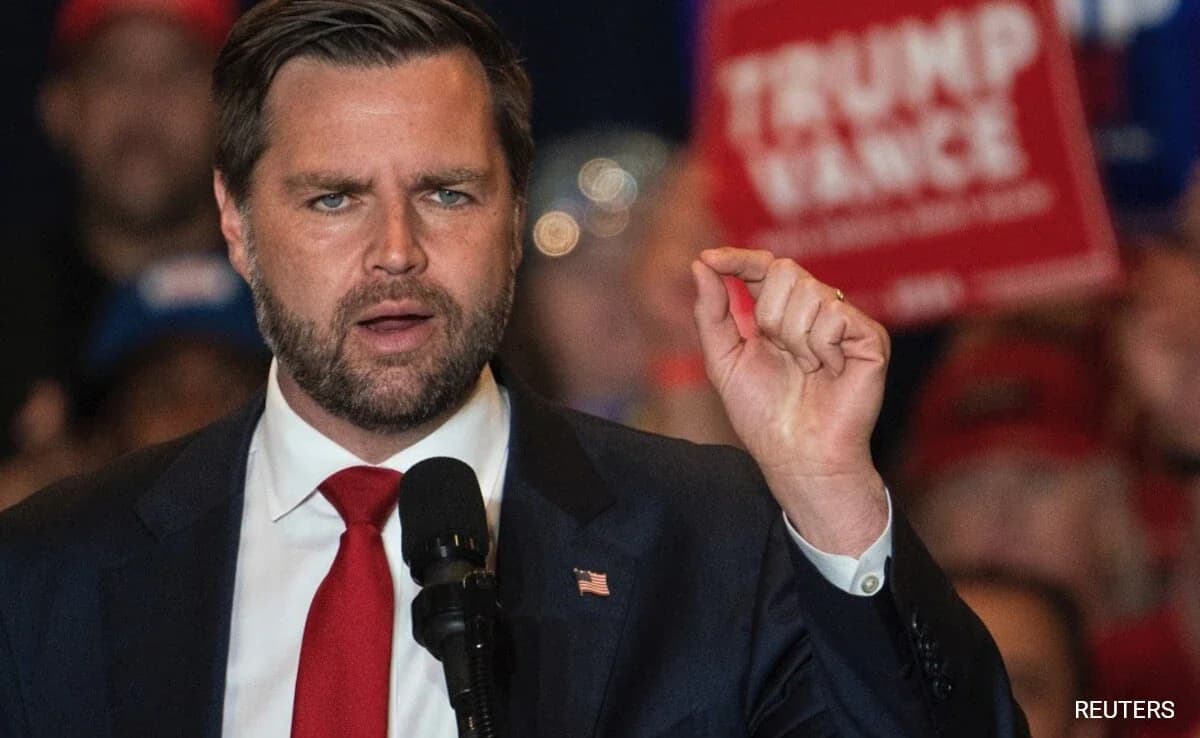
Regarding the impact on global energy markets, Vance indicated that disruption to global energy markets was diminishing 'day by day' according to CBS News reports. However, he cautioned that Washington would not rely on Tehran 'behaving responsibly or negotiating in good faith' in future developments, maintaining a cautious approach to any potential diplomatic resolution. The dispute over the wedding strike sits inside a broader cycle of tit-for-tat attacks, with Vance insisting that 'The United States never targets civilians in combat. We never will do that.' Trump, when pressed on describing the conflict as 'small potatoes' when 18 US service members have been killed, responded by reiterating his argument that the conflict has led to the defanging of Iran's nuclear program. 'Iran will not have a nuclear weapon because if they did you probably wouldn't be standing here,' Trump said, emphasizing the strategic importance of the military campaign despite its relatively limited scope.