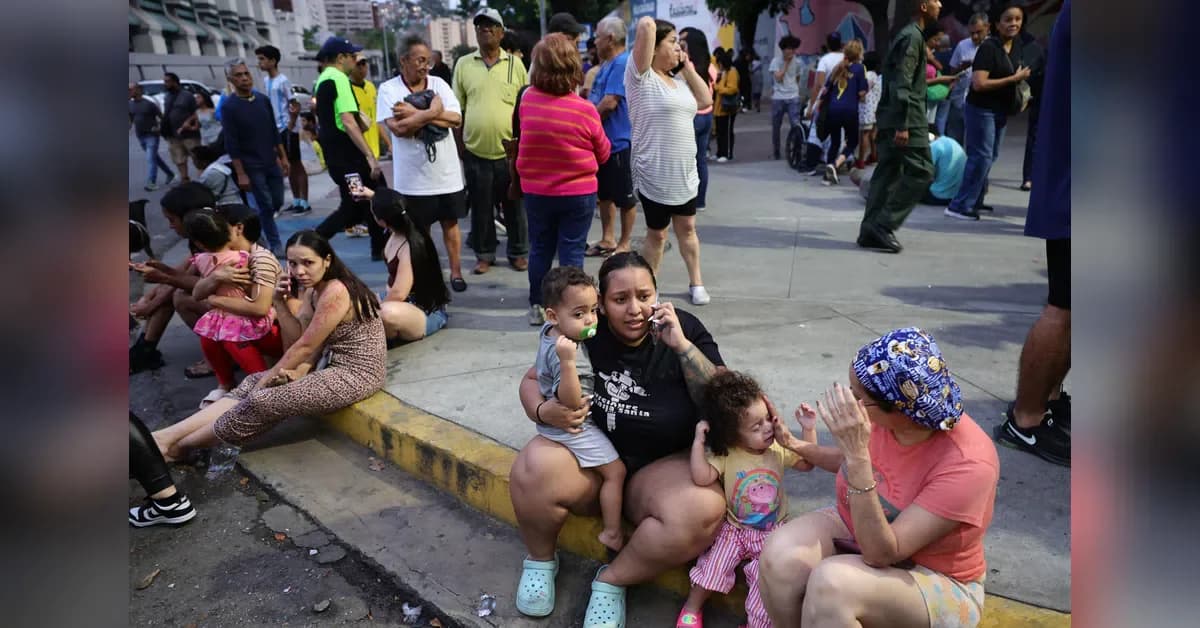
After years of treating entrepreneurs as adversaries, Venezuela's socialist government is now turning to the private sector for earthquake relief efforts. According to reports from Business Standard, private businesses are rushing to fill the void from the government's earthquake response, with construction, engineering and other firms deploying heavy machinery, supplies, food and experts across the country. The initiative is led by two business associations — the construction and oil chambers — with backing from regional development bank CAF, which launched a $1 million seed fund for recovery works. However, recent developments show the government is now impeding these rescue efforts despite the private sector's goodwill.
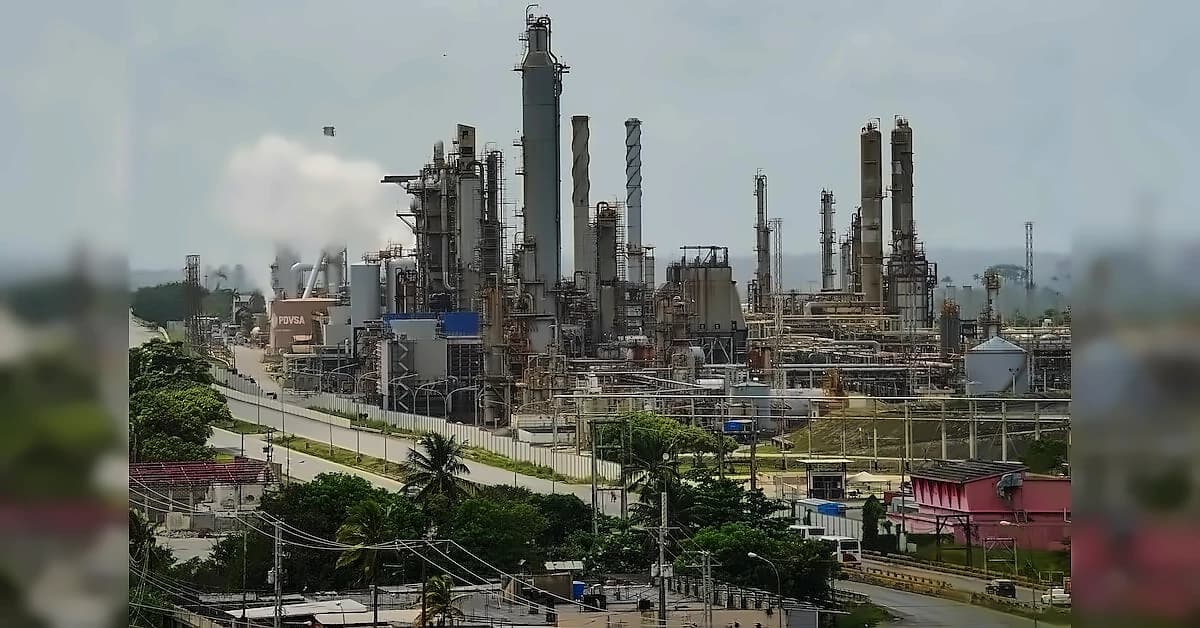
Construction materials and supplies are being shipped from areas as far as the country's heavy industries hub, in Puerto Ordaz, more than 650 kilometers away. As reported by Business Standard, temporary housing and hospitals are immediate targets, with firms discussing setting up shelters to hold from 2,000 to 10,000 people ready in the next months. Venezuelan food giant Empresas Polar supplied 26,000 boxes with staples, a daily distribution of 120,000 liters of bottled water and water trucks. The US embassy is coordinating with private sector efforts by lending military vehicles able to transport equipment to disaster areas, but government interference is now hampering these operations.

La Guaira has been hit hard in the past, with unusual rainstorms in 1999 triggering thousands of landslides and flash floods that killed an estimated 30,000 to 50,000 people and caused about $5 billion in losses. According to Business Standard, then-President Hugo Chávez rebuffed help from the US, instead having the Venezuela military help rescue the nearly 120,000 people who became homeless. Private companies helped then too, as the private sector is usually very active in social participation and supporting responses to disasters or crises, said Luis Vicente León, president of Venezuelan consulting firm Datanalisis.
Foreign businesses and technology platforms have stepped in to support relief efforts. As reported by Business Standard, Elon Musk's Starlink is offering free internet through July 25 in parts of Venezuela left with damaged power and telecommunications networks. Avianca and American Airlines are offering mile-donation campaigns through their frequent flyer programs, while Airbnb's nonprofit arm is providing free emergency housing to first responders. Venezuelan shipping firm Lae offered free transport of donations to Caracas and La Guaira, while Calidex Courier set up collection points and said it would deliver donations to the Red Cross at no cost.
The strained relationship between government and private sector has changed significantly over the past three years, as authorities began relying more on companies to guarantee production and supply following macroeconomic crisis. According to Business Standard, that opening included price liberalization, closer coordination with business associations and legislative changes. The current level of coordination around aid through private companies and state agencies would have been unthinkable during the period of conflict between the public and private sectors in Chávez's government, said Luis Vicente León, president of Venezuelan consulting firm Datanalisis. However, recent developments show the government is now impeding these private sector efforts despite the private sector's goodwill and the nation's urgent need for effective disaster response.