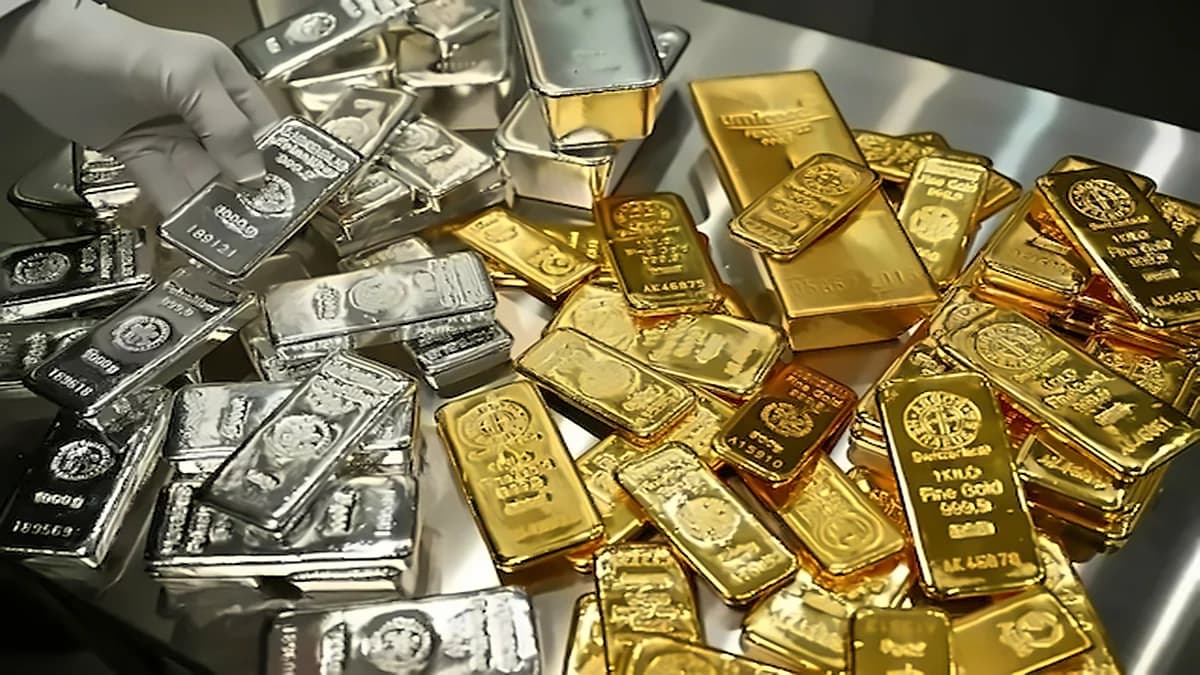
Gold is experiencing a significant rally as geopolitical developments offer hope for easing inflation pressures. The PHLX Gold/Silver Sector jumped 4% with spot gold climbing 1.5% and silver surging 6.5%, as reported by MarketWatch. New York gold futures pushed above $4,750 an ounce, gaining roughly 1.6% to $4,771. The catalyst is reports that Washington and Tehran are negotiating a fourteen-point memorandum to halt the war and reopen the Strait of Hormuz, which has cooled inflation fears and pulled the dollar to multi-month lows. SPDR Gold Shares (GLD) rose 1% to $436, extending a 37% one-year gain and a 151% gain over five years. The PHLX Gold/Silver Sector is now up about 14% YTD as investors and traders look to recapture lost gains.
The latest developments have significantly impacted Treasury markets, with 10-year Treasury yields dropping to 4.4% from previous levels near 5%. As reported by MarketWatch, the 10-year Treasury yield sits at 4.4%, and softer real yields lower the opportunity cost of holding a non-yielding asset like bullion. Brent oil is down roughly 6% on the week, easing pressure on consumer prices and causing investors to dial back bets on a Federal Reserve rate hike from the current 3.75% upper bound. MUFG strategist Soojin Kim noted that "falling oil prices and easing inflation concerns pushed bond yields and the dollar lower, supporting gold prices." The decline represents a significant shift from recent concerns about the yield on the US 30-year Treasury bond potentially remaining above the crucial 5% mark for an extended period.
Demand fundamentals continue to support gold's price action beyond current headlines. The World Gold Council reported Q1 2026 total gold demand hit a record $193 billion, with bar and coin demand of 474 tons (up 42% year-over-year) and central bank net purchases of 244 tonnes. Reserve managers absorbed more than 1,100 tonnes in 2025, the third straight year above that threshold. Silver's 6.5% pop reflects its dual identity as a precious metal benefiting from safe-haven flows plus an industrial input for solar, AI hardware, and electronics. BNP Paribas Fortis strategist Philippe Gijsels expects "the secular bull market in gold and silver to resume and the metals to reach new all-time highs in the not too distant future, potentially this year" if a peace deal lands.
This shift represents a significant change from recent market expectations about Federal Reserve policy. The 10-year Treasury yield's decline to 4.4% reflects reduced expectations for Federal Reserve rate hikes, with investors now dialing back bets on rate increases from the current 3.75% upper bound. Traders who previously saw a 43% chance of a Fed rate cut by March next year now price in more than a 20% chance of a hike, reflecting how quickly oil, growth and inflation concerns have reshaped the rate outlook. The main risk to this setup has been the main risk to this setup is higher oil prices from geopolitical tensions, as noted by analysts, with higher oil prices stoking inflation that could force the Fed to pause or reverse its rate-cutting cycle.
The decline in yields is not limited to the United States, with borrowing costs across several developed economies also falling as investors demand higher compensation for inflation and fiscal risks. The pressure is not limited to the US, as National Bank of Canada strategists estimate that average 10- and 30-year yields across Group of Seven countries ended April at a 17-year high. A yield of 5% is considered a psychological threshold that tends to reignite worries of bond vigilantes and higher interest rates going forward. Some are even questioning the traditional convenience of holding US debt, with elevated bond yields having repercussions for global markets, the economy and politics by squeezing consumers and businesses with higher costs of credit cards, mortgages and business loans. Bank of America Corp. strategist Michael Hartnett warned that a sustained move in the 30-year yield above 5% is where the door to doom starts to open, noting that previous sharp rises in long-term yields have been followed by recessions in 2001 and 2007.