US Treasuries experienced a dramatic rally on Thursday as equity markets declined and oil prices reversed Wednesday's losses. According to Bloomberg, the yield retreat began after the US stock market opened, with the Nasdaq 100 index falling 4.75% and the Philadelphia Semiconductor Index down 8.83%. The rally sent yields down across maturities by as much as nine basis points to the lowest levels since early September. The 10-year Treasury yield fell 4.9 basis points to 4.843% after touching its lowest level since September 9, while the 30-year bond yield dropped 3 basis points to 5.25% following its lowest level since September 8. The two-year Treasury yield declined 5.6 basis points to 4.525% after reaching its lowest since September 10. A closely watched part of the US Treasury yield curve measuring the gap between two- and 10-year Treasury notes steepened to a positive 31.4 basis points, indicating economic expectations have become more optimistic. As per Manulife Investment Management, investors are reassessing their outlook on US-Iran relations following new election results, with Mike Lorizio noting that "US voters seem to reject the idea of sustaining the war in Iran for an extended period of time."
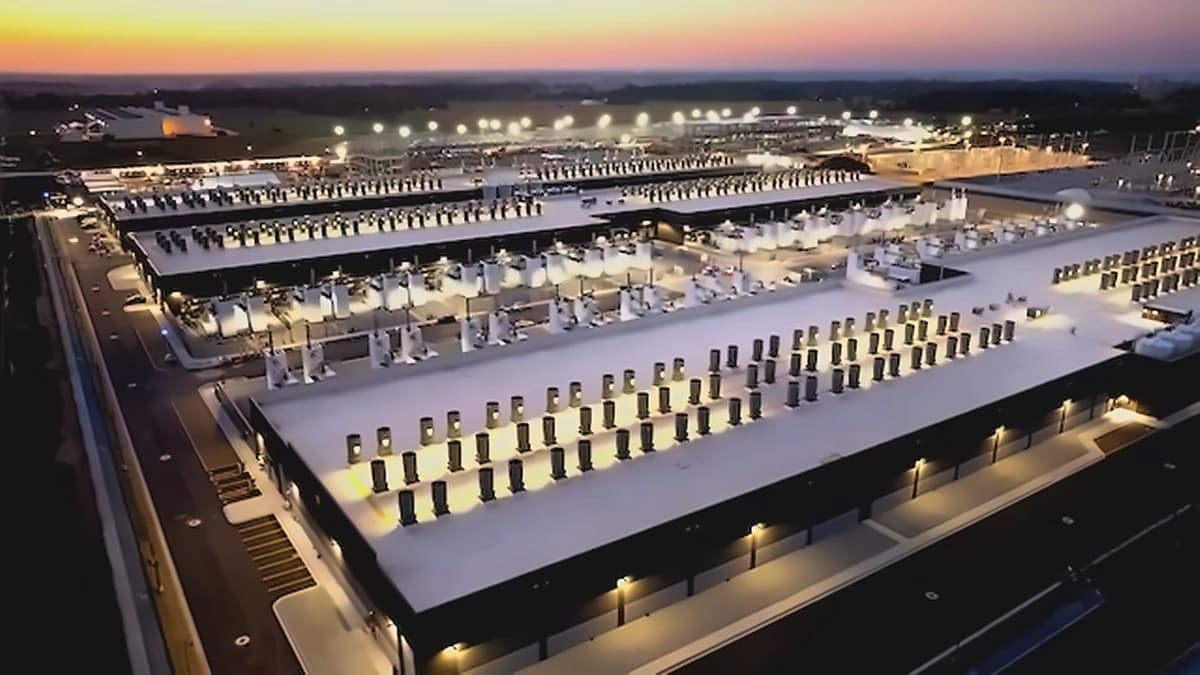
The Treasury market rally was primarily driven by a significant selloff in large US technology companies following the Democratic sweep in the US midterms. As reported by Bloomberg, the Treasury market last month notched its biggest gain in more than two years as investors lost faith in the sustainability of capital spending on artificial-intelligence infrastructure and rotated from stocks to bonds. Anmol Sinha, fixed income investment director at The Capital Group, noted that the fact that chip stocks are falling is an extension of the idea that there may be a pullback in the pace of capex spend. Beyond haven demand, the prospect of a US economic slowdown resulting from fading enthusiasm for investment in the AI buildout has led to lower expectations for Federal Reserve interest-rate hikes in the coming months. As per Manulife Investment Management, Lorizio emphasized that "it's all part of the same kind of fundamental story of strong growth, inflationary concerns not going anywhere, and all just ripe for tightening Federal Reserve policy."
The labor market demonstrated remarkable resilience with unemployment claims reaching a 57-year low. According to the Labor Department, initial claims for state unemployment benefits fell 6,000 to a seasonally adjusted 189,000 for the week ended October 31, compared with economist forecasts of 196,000. However, worker productivity grew faster than expected in the third quarter, which depressed labor costs and supported views that the labor market was not a source of inflation. This productivity growth has faced upward pressure from elevated oil prices, creating a complex dynamic in the inflation landscape. As per Manulife Investment Management, the strong labor market data reinforces the fundamental story of economic strength that is driving Treasury demand.
Federal Reserve officials provided mixed signals on Thursday regarding future monetary policy, with market expectations for rate hikes declining significantly. Cleveland Federal Reserve President Beth Hammack stated that the US central bank has more work to do to get inflation down to its 2% target, as price pressures remain unacceptably high. Richmond Fed President Tom Barkin indicated that a gradual pace of rate increases would "make sense" at a time when inflation seems stuck above the central bank's 2% target amid solid demand, low unemployment, and broad-based price pressures. While traders continue to almost fully price in a quarter-point increase when Fed policymakers hold their final vote this year on December 9, Thursday's activity in short-term interest-rate options included trades targeting no move, with wagers on additional moves next year also being pared. As per Manulife Investment Management, Lorizio noted that "just because voters aren't happy with it, it doesn't mean it's going to just automatically be reversed or come to a conclusion in the near term," explaining the continued market uncertainty about policy direction.
US equity markets faced significant pressure with the Nasdaq tumbling and on course to confirm a correction. As reported by Bloomberg, the market volatility reflects investor uncertainty about geopolitical tensions and their potential impact on global economic stability. Before the US stock market opened Thursday, Treasury yields rose amid an increase in oil prices and jobless claims data that signaled strength in the US labor market. The market activity coincided with Apple Inc. joining the list of companies selling bonds with a seven-part $7 billion offering that will mature in two to 10 years. Cleveland Fed President Beth Hammack and Richmond Fed President Tom Barkin in public appearances expressed support for higher rates, with Hammack dissenting from last month's Fed decision to leave rates unchanged in favor of raising them. Oil prices had tumbled more than 8% and equities had rallied on Wednesday after American voters handed control of Congress to the Democratic party in a decisive rebuke of the current Republican administration and US President Donald Trump, who started the war with Iran eight months ago.