As the United States marks 250 years, its enduring influence on global trade continues to shape commerce despite growing geopolitical tensions. According to reports from Business Standard, America's contribution to international commerce is immense, particularly after the Second World War when it helped build the institutions and norms that supported global economic integration. The country opened one of the world's largest consumer markets to goods from the rest of the world, creating a ladder for export-led growth across the globe.
The US dollar became the principal currency of invoicing, reserves, and international settlement, while American banks, insurers, law firms, rating agencies, logistics companies, software firms and technology platforms helped define the operating system of global commerce. As reported by Business Standard, even when goods are manufactured in Asia, the design, patents, software, branding, financing, data architecture and consumer demand often carry a strong American imprint. For India specifically, the United States became a major destination for merchandise exports, pharmaceuticals, gems and jewellery, engineering goods, textiles, IT services and professional talent.
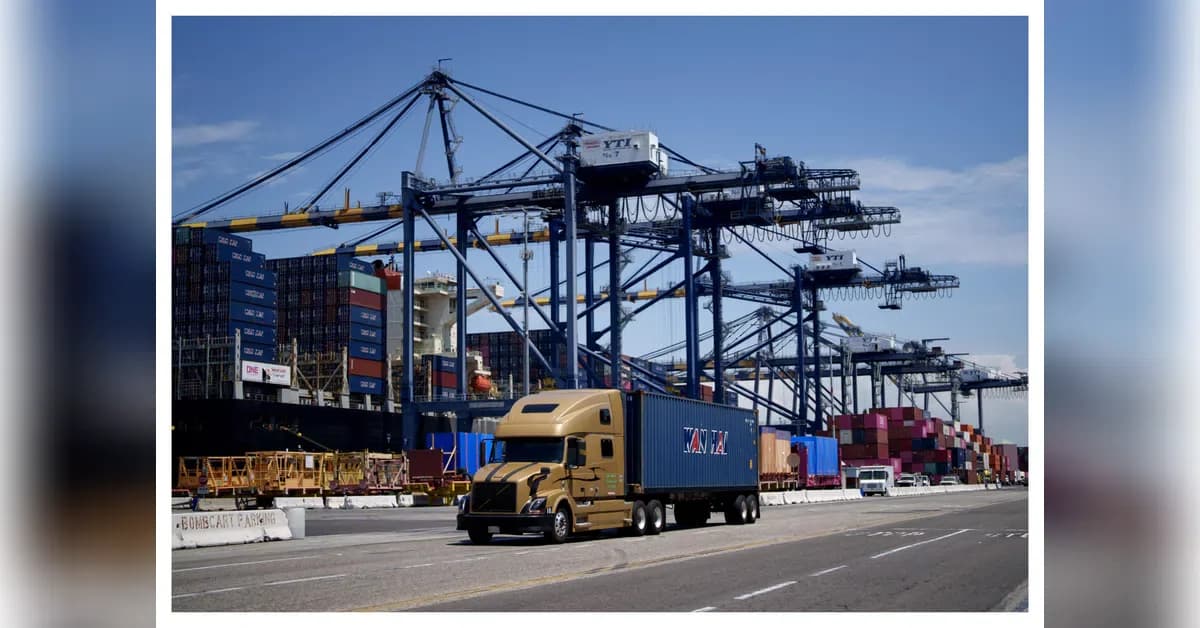
At a personal and professional level, the modern exporter, importer, consultant, banker or freight forwarder works inside a digital ecosystem that America did much to create. According to Business Standard, the modern exporter, importer, consultant, banker or freight forwarder depends on tools, standards and platforms developed or scaled largely in the United States for technology, communication, research, writing, data storage, banking, access to judgments and notifications, and interaction with global clients.
America's greatest contribution beyond trade lies in its technological innovations that have transformed global commerce and daily life. As reported by Business Standard, the country's universities, businesspeople, engineers, investors, and research centres built an ecosystem that continuously transformed bold concepts into technology with worldwide influence. The microprocessor stands out as the foundation for all major digital advances, with more than six billion people now using the internet, demonstrating its extraordinary societal impact. GPS technology supports infrastructure across banking, public safety, logistics, telecommunications, and transportation, while healthcare innovations in robotic surgery, genomic research, and artificial intelligence are revolutionizing patient outcomes.
Despite its historic contributions, America has not always practiced the free trade it preached, as reported by Business Standard. In recent years, it has weaponised tariffs, sanctions and export controls against its trading partners and also weakened or bypassed some of the great institutions it helped create. However, at 250 years, America deserves neither blind admiration nor easy condemnation for all its contradictions. The analysis notes that for all its contradictions, it remains the most consequential commercial and technological power of the modern age, with the world trading more, communicating faster, innovating more boldly and working more digitally because of the United States. According to Merrill's analysis, America remains the world's leading economic, financial, technological and military power, with the country's economic metabolism being different from the rest of the world, creating and destroying companies at unprecedented rates while attracting record foreign investment of around $50 trillion.