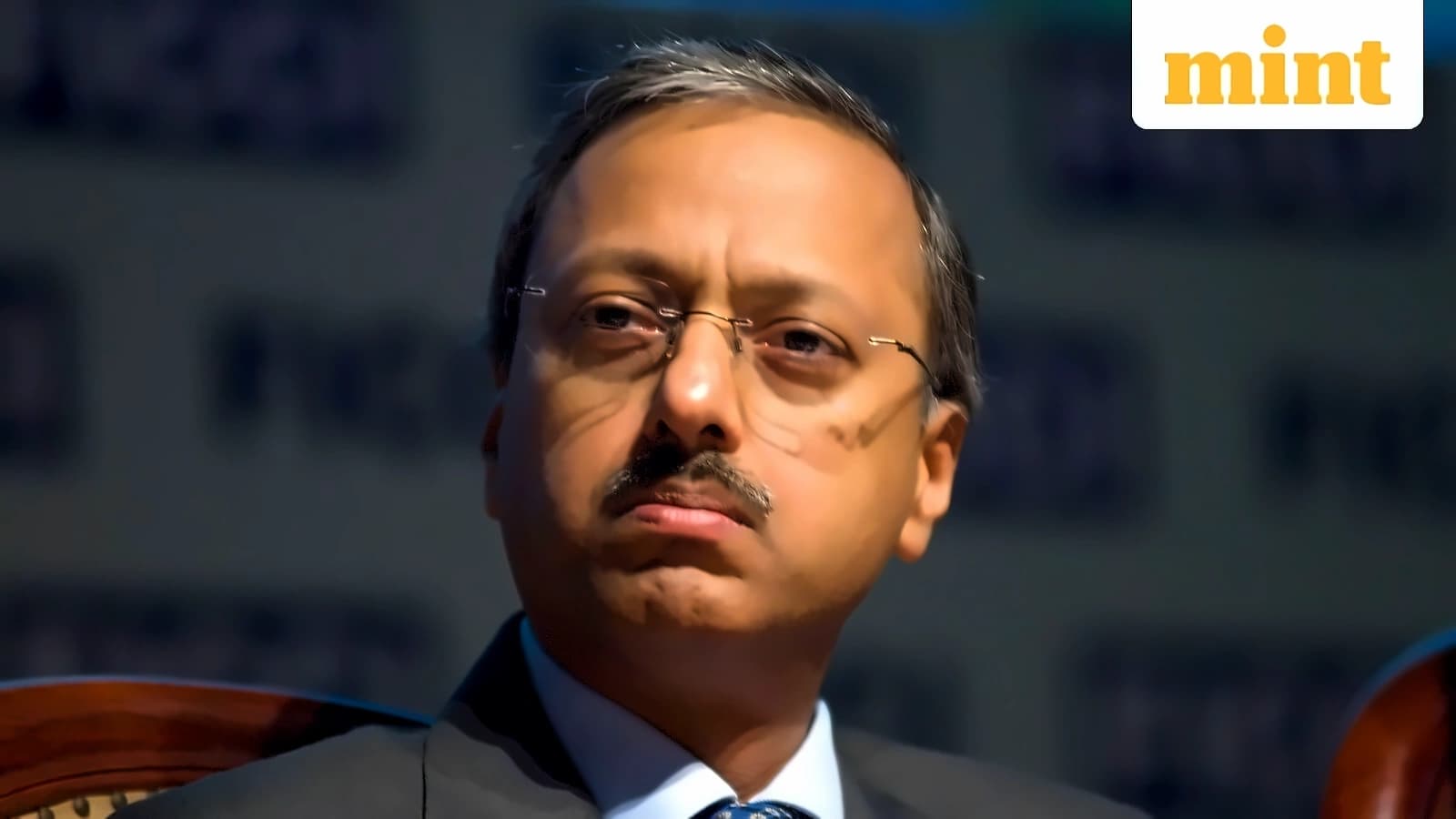
Harsh Pati Singhania, chairman and managing director of JK Paper Ltd, has been elected as the fourth Indian in the 107-year history of the International Chamber of Commerce (ICC) to head the world's largest business organisation. According to reports from Mint, Singhania told Mint that one of his key priorities during his two-year tenure would be accelerating the adoption of digital trade standards to simplify cross-border commerce, particularly for small and medium enterprises (SMEs). The ICC represents over 45 million businesses across 170 countries through its network of over 90 national committees. As reported by Business Standard, Singhania emphasized that coming from India provides greater sensitivity towards issues facing developing economies, allowing him to bring these perspectives into global discussions when the ICC develops rules, standards and protocols.
As reported by Mint, Singhania highlighted that trade documentation is still 80-90% paper-based, with the ICC's objective to digitise global trade documentation, make systems interoperable and reduce costs and complexity. The ICC has identified 36 core trade documents and nearly 190 common data elements that require standardization and digitization under its Digital Standards Initiative (DSI). Of these, digital standards for more than 20 documents have already been developed, with the focus now shifting to persuading governments to adopt them. According to Business Standard, countries such as the UK, Germany, France, Singapore, and the United Arab Emirates have already adopted these digital standards, while discussions are underway for their adoption in India. Singhania emphasized that fragmented national digital systems have emerged as a major barrier to global trade, noting that every country developing its own systems makes trade more expensive and cumbersome.
According to Mint reports, beyond digitisation, the ICC is focusing on framing global principles for AI governance and cross-border data flows as businesses rapidly integrate AI into commercial operations. Singhania stated that AI is transforming business, but governance frameworks are still evolving, requiring globally accepted standards that ensure trust, responsible use and interoperability without stifling innovation. The ICC has constituted expert groups to develop recommendations as part of its Vision 2035 agenda. As reported by Business Standard, India's digital public infrastructure through initiatives such as Unified Payments Interface, Aadhaar, and direct benefit transfers are globally recognized, and these could serve as examples for developing international AI governance standards. Singhania noted that AI is evolving daily and there are no internationally harmonised standards yet, presenting an opportunity for countries like India to be at the forefront of creating useful frameworks.
As reported by Business Standard, the ICC has identified significant financing gaps that particularly affect SMEs and developing countries. Africa alone faces a trade finance gap of about $100 billion, while Basel III provisioning norms also affect climate finance by limiting the ability of some multilateral agencies to provide funding to developing countries. The ICC has established a global trade finance registry that compiles data on trade finance transactions globally, demonstrating that risks associated with trade finance are often much lower than perceived. Singhania noted that financing gaps continue to constrain SMEs, particularly in developing economies, with the ICC working with banks, multilateral institutions, and regulators to improve access to trade finance. The organisation has also developed a global trade finance registry that uses transaction data and AI-based analytics to help financial institutions better assess trade risks.
According to Business Standard, Singhania outlined specific outcomes that would make his two-year tenure successful, including progress towards developing common standards on AI governance and digital data flows, and ensuring that more small businesses, particularly from emerging economies, have a stronger voice. He emphasized that while India has done great work on digital public infrastructure, the major issue today is AI governance, where there are no internationally harmonised standards. Singhania noted that the ICC's role is becoming increasingly important in providing businesses with predictable, harmonised rules as geopolitical tensions reshape global trade, with the organisation working closely with multilateral development banks to improve trade finance availability. Despite the challenges, Singhania expressed optimism that there will be a balance between regulatory requirements and business needs, as everyone wants stronger global growth and solutions to financing constraints.