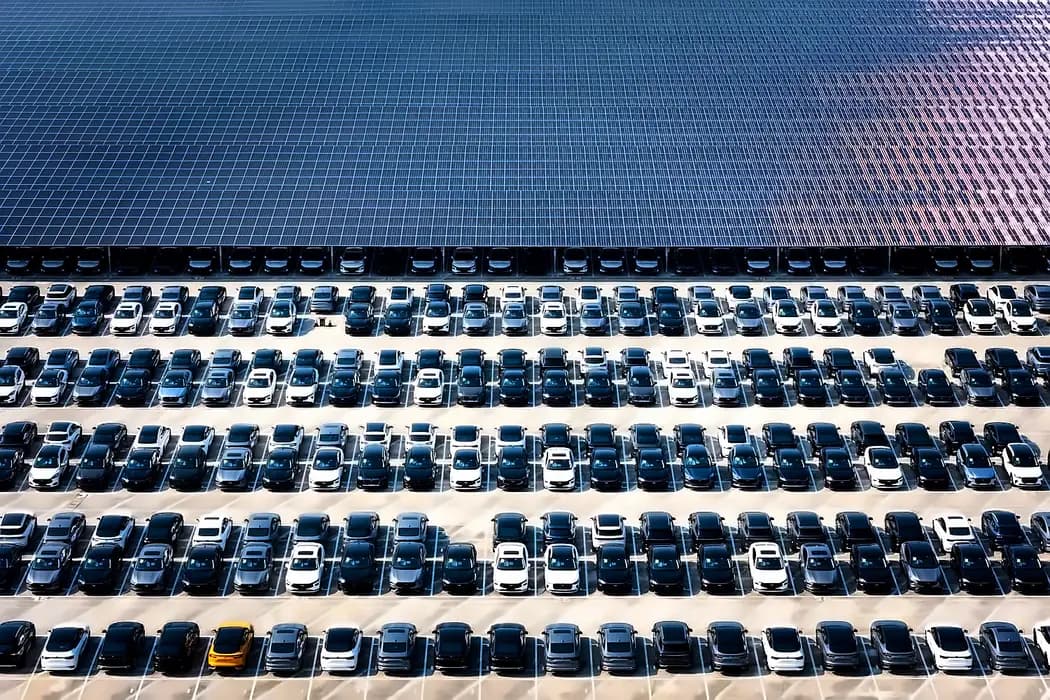
US retail sales experienced a significant 1.7% month-over-month increase in March, according to the Commerce Department's report released Tuesday. This marked a substantial acceleration from the revised 0.7% increase recorded in February and represents the fastest one-month increase in retail sales in more than three years. As reported by The Associated Press, the surge was primarily driven by a spike in gasoline prices due to the ongoing Iran war, now in its eighth week. The report represents the first comprehensive spending data to capture the effects of the Middle East conflict on consumer behavior. The value of retail sales amounted to $752.1 billion last month, with retail sales also rising 4% on an annual basis in March. Economists polled by Reuters had forecast retail sales to advance 1.4% after a previously reported 0.6% increase in February, with estimates ranging from as high as 2.0% to as low as 0.4%.
Business at gas stations recorded a dramatic 15.5% increase, representing the largest driver of the overall retail sales surge. According to The Associated Press, the Iran war, which began February 28 and has shut down the Strait of Hormuz, cutting off one-fifth of the world's oil supply, has significantly impacted fuel costs. Late last month, US gas prices jumped past an average of $4 per gallon for the first time since 2022, with the national average for regular gasoline reaching $4.02 on Tuesday, over a dollar more expensive than before the war began. The surge in gas prices has caused a sharp spike in inflation, creating major challenges for the Federal Reserve and increasing political hurdles for the White House. Data from the U.S. Energy Information Administration shows retail gasoline prices soared 24.1% in March, with global oil prices jumping more than 30% due to the U.S.-Israeli conflict with Iran.
Excluding gasoline purchases, retail sales growth moderated to a more modest 0.6% increase, supported by government tax refunds and warm weather conditions. As reported by The Associated Press, department stores saw sales rise 4.2%, while furniture and home furnishings stores posted gains of 2.2%. Online retailers experienced a 1% increase, and consumer electronics and appliance stores recorded a 0.9% gain. The only services category included in the snapshot, restaurants, registered a more modest 0.1% gain. The control group, which excludes food services, autos, building materials and gas station sales, rose 0.7%, offering a good sign of broad spending by consumers according to economists. Sales were also lifted by a rise in auto sales, likely as manufacturers offered incentives. According to the latest Commerce Department data, sales increased at furniture and home goods stores, general merchandise stores, non-store retailers, electronics and appliance stores, stores selling building materials and garden equipment, food and beverage stores, stores selling motor vehicles and parts, health and personal care stores, and establishments providing food and beverage services.
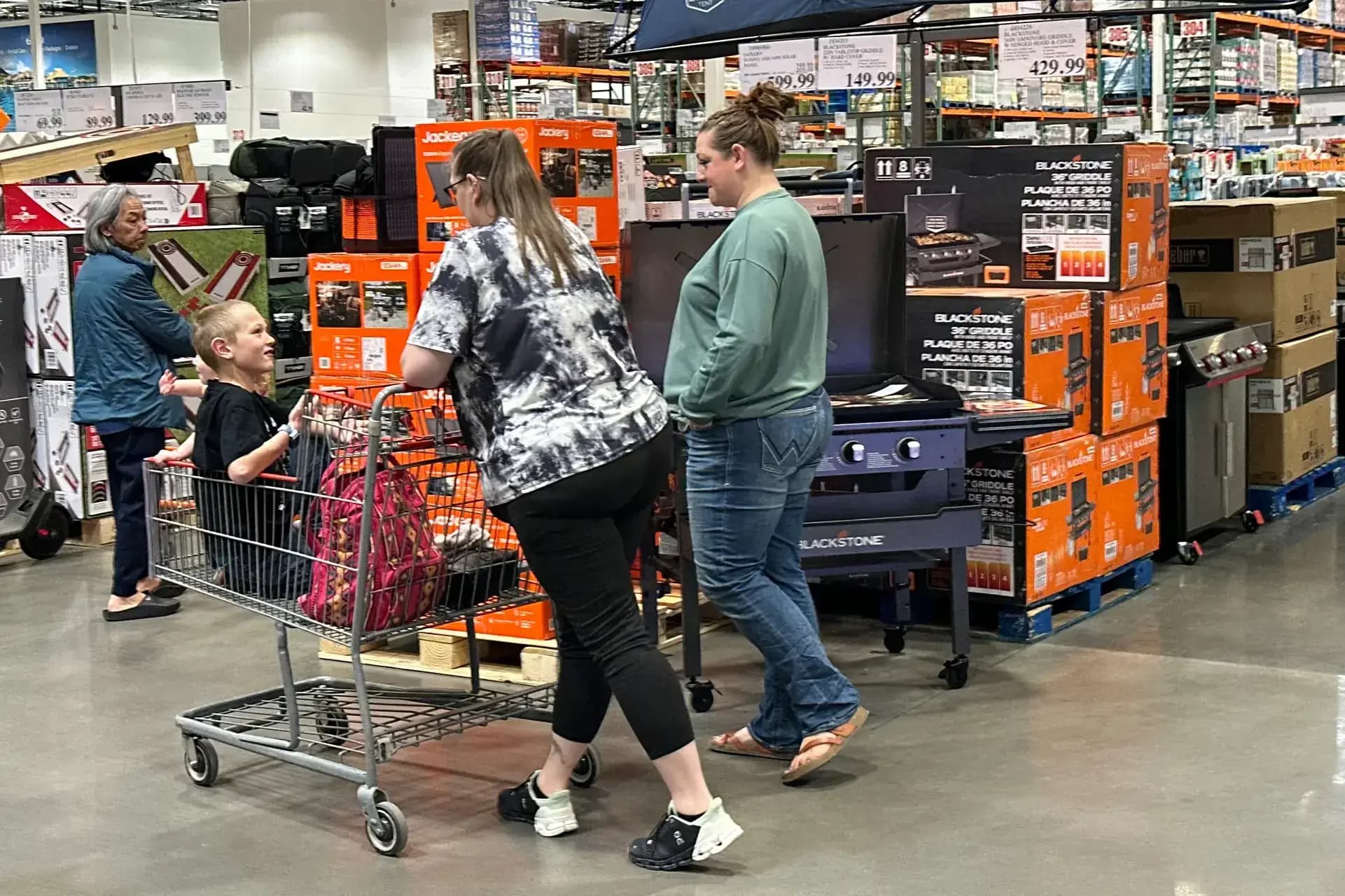
The surge in retail sales has contributed to a sharp increase in inflation, with consumer prices rising 3.3% in March from a year earlier, according to the Labor Department. As reported by The Associated Press, this represents a significant jump from just 2.4% in February and marks the biggest yearly increase since May 2024. On a monthly basis, prices rose 0.9% in March from February, the largest such increase in nearly four years. Core prices, excluding volatile food and energy, rose 2.6% in March from a year earlier, up from 2.5% in February. Economists had believed that an unusually large jump in tax refunds would kick start spending at the start of the year, but spiking gas prices are taking a bite out of that money. The Stanford Institute for Economic Policy Research estimated that war-driven price spikes have pushed up Americans' average annual gasoline costs for this year by $857.
Retail experts note significant changes in consumer spending patterns due to the war's impact. According to The Associated Press, Bryan Eshelman from AlixPartners observed that retail clients see customers pulling back even more now, with shoppers shifting from wants to needs. The firm's analysis shows that for seven straight weeks, traffic at nondiscretionary retailers like grocers outpaced that of discretionary merchants, but this trend was reversed the week of April 6, helped by the distribution of tax refunds and spending tied to spring break and Easter. R.J. Hottovy from Placer.ai noted that consumers are starting to see unforeseen costs everywhere, including higher baggage fees when traveling, with future spending largely dependent on consumer sentiment regarding broader macroeconomic conditions and gas prices. The average tax refund was up $351 through March 27 compared to the same period in 2025, according to Internal Revenue Service data, though the Treasury Department estimated the average tax refund would be $1,000 higher compared to the 2024 fiscal year.