The US blockade of Iranian ports since April 13 has severely disrupted global energy trade, with traffic through the Strait of Hormuz falling by nearly 95% from more than 130 vessels a day. Brent Crude oil prices have surged to nearly $122 per barrel from roughly $70 before the war began on February 28, creating significant inflationary pressure for India. As reported by ABP Live Business, crude oil and natural gas prices surged by as much as 36.16% during March, largely due to geopolitical tensions in West Asia. India, the world's second-biggest importer of liquefied petroleum gas (LPG), also recently received a gas shipment from Iran by tanker. Two tankers carrying Iranian oil reached Indian ports last week – the first such official consignment since India halted Iranian crude imports in May 2019 under US sanctions pressure. The crisis has intensified competition for crude oil supplies among global importers, with India sourcing over 80% of its crude oil and roughly half of its natural gas needs from abroad, making it particularly vulnerable to supply disruptions.
India's wholesale price index (WPI) inflation for March rose to 3.88%, according to government data released on Wednesday, as reported by ABP Live Business. This compares with 2.13% in February and 2.25% in March last year. The primary driver behind the rise was a sharp increase in fuel and power costs, with inflation in this segment climbing 4.13% month-on-month in March. Inflation in the fuel and power category turned positive at 1.05% in March, compared with a contraction of 3.78% in February. Prices of crude petroleum recorded a sharp jump, with inflation surging to 51.57% from a negative 1.29% in February. However, some relief came from a decline in electricity prices, which fell by 5.07% during the same period, partially offsetting the rise in fuel costs. Manufactured goods inflation also increased to 3.39% in March from 2.92% a month earlier, with inflation in manufactured products increasing by 0.88% month-on-month in March, as reported by ABP Live Business.
Consumer price inflation (CPI) remained relatively moderate at 3.4% in March, according to ABP Live Business, slightly higher than previous months but still within the Reserve Bank of India's comfort range. On a sequential basis, CPI inflation has been inching higher in recent months, with March's figure above 3.21% recorded in February and higher than the revised figure of 2.74% in January. Within the CPI basket, there were significant divergences across categories, as noted by ABP Live Business. Food inflation at the consumer level stood at 3.87% in March, driven largely by rising vegetable prices, with vegetables such as tomatoes and cauliflower becoming more expensive during the month. However, several key staples provided relief, with prices of onion, potato and garlic recording double-digit declines compared to the previous year, and pulses turning cheaper with arhar and tur prices falling by 9.56% and chickpea prices declining by 7.87%. Precious metals saw sharp price increases, with silver jewellery prices surging by an extraordinary 148.61% and gold jewellery prices rising by 45.92% compared to the same month last year, reflecting strong global demand and safe-haven buying amid geopolitical uncertainty.
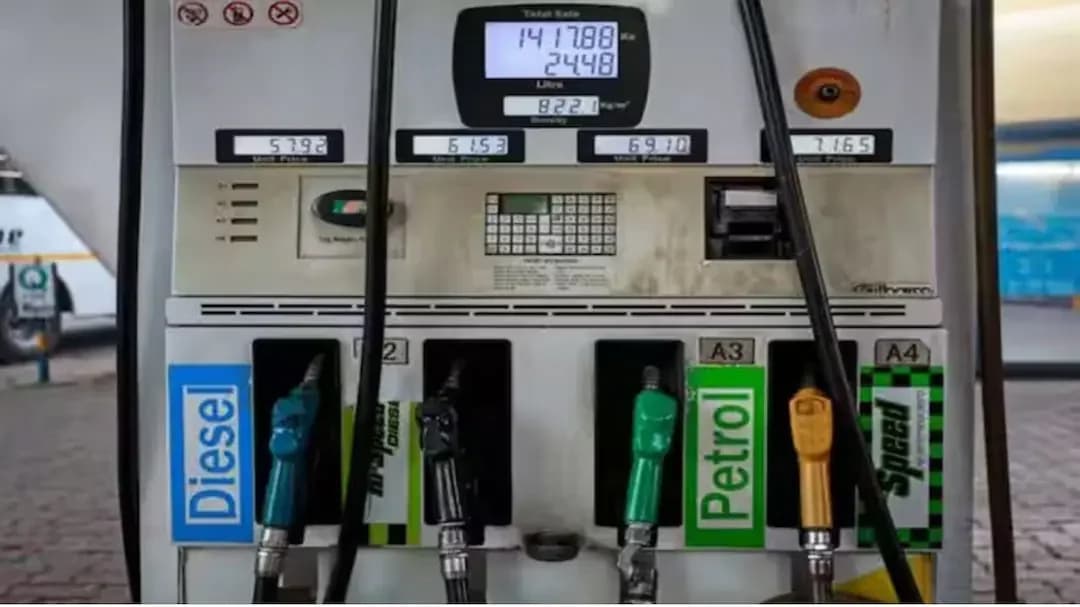
With excise duty cuts on fuels effective since late-March, there is the possibility of a retail fuel price hike after state elections conclude in April, especially if crude oil prices stay elevated. As reported by Mint, a blended increase of ₹10/litre across petrol and diesel prices would lead to a 35-40 basis points rise in headline CPI. A further increase of 15-20 basis points via second-order effects and passthrough is possible. Madhavi Arora from Emkay Global flagged an additional pressure point: a below-normal monsoon adds further upside risk to the FY27 food CPI forecast of 5%, as reported by The Times of India. The current energy crisis, with Brent Crude hovering close to $122 per barrel, compounds these fuel price pressures significantly. In response to the steep surge in international crude prices, the government cut excise duty by ₹10 per litre on petrol and diesel on March 26 to prevent the rise in crude oil prices from being passed on to consumers.
The combination of rising wholesale inflation and moderate consumer inflation presents a nuanced picture for policymakers, as noted by ABP Live Business. While elevated fuel prices could pose risks to inflation in the coming months, the relatively stable CPI reading provides some room for the Reserve Bank of India to maintain a balanced policy stance. In their baseline scenario, HDFC Bank expects CPI inflation to average 4.9% in FY27, against 2.1% in FY26, with risks stemming from elevated energy prices and second-round effects. The net impact on India's crude strategy is unlikely to come from losing Iranian barrels, but rather from paying more for alternative supplies amid tighter global market conditions, as noted by The Straits Times. Any sustained increase in crude oil prices, especially amid ongoing geopolitical tensions, could feed into broader inflationary pressures and influence future monetary policy decisions, according to ABP Live Business. The Reserve Bank of India kept interest rates unchanged in its first bi-monthly monetary policy review this month, with the central bank primarily using retail inflation as a key factor in deciding benchmark lending rates.