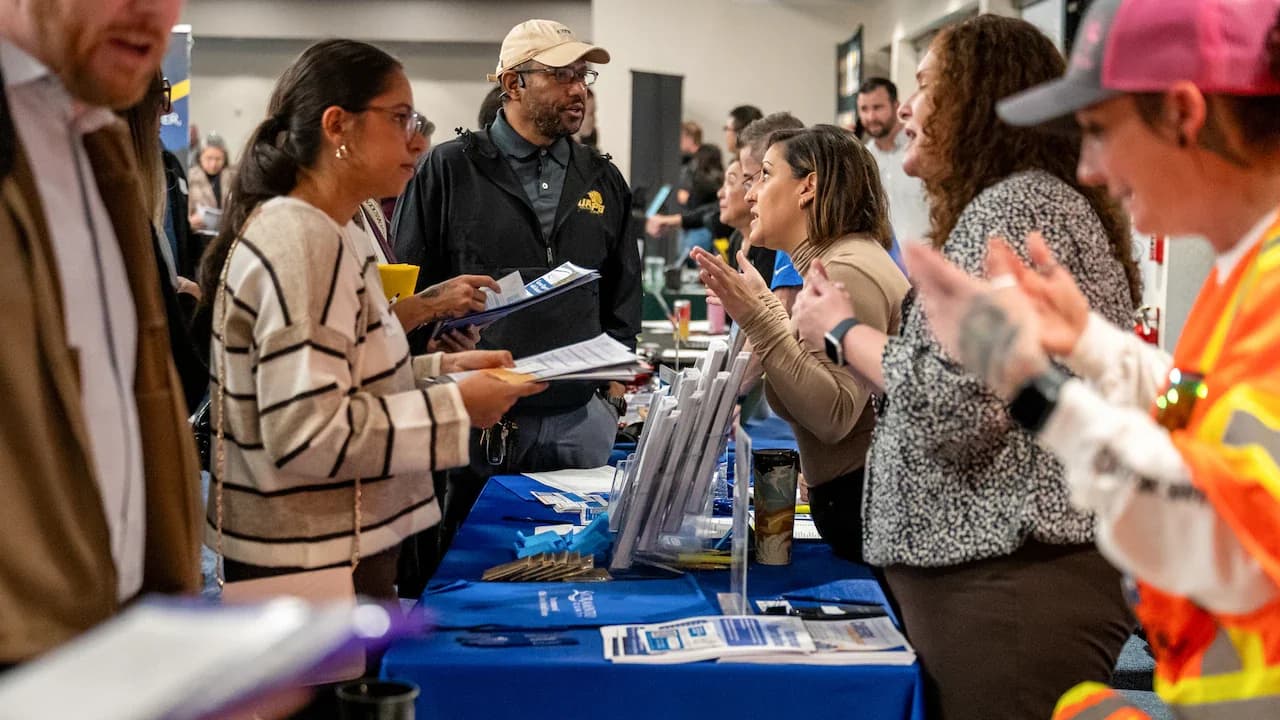
US private-sector employment showed robust growth in June, with 98,000 new jobs added according to ADP Research data. This followed a 122,000 increase in May, demonstrating continued momentum in private-sector hiring. The figures exceeded the median estimate of 120,000 from a Bloomberg survey of economists, indicating stronger-than-expected job creation in the private sector. As per ADP, the data supports the view that the labor market has strengthened after several months of uneven hiring patterns.
June's performance marked the strongest three-month hiring stretch in over a year, as reported by ADP. The consistent job growth pattern suggests strengthening labor market conditions after several months of uneven hiring patterns. This sustained improvement comes as job openings have risen and layoffs remain low, indicating a healthier employment environment across the private sector. Nela Richardson, chief economist at ADP and contributor to Bloomberg Television, noted that "we know it's taking people longer to find work, but there also are signs of labor supply constraints in certain industries."
Education and health services accounted for about half of the job gains, followed by trade, transportation and utilities, and financial activities, according to the ADP report. The increase was broad-based across firm size and region, indicating widespread hiring activity. The ADP report, published in collaboration with the Stanford Digital Economy Lab, also showed workers who changed jobs saw a 6.6% increase in pay from a year earlier, an acceleration from the prior month, while wage growth for those who stayed put remained little changed at 4.4%.
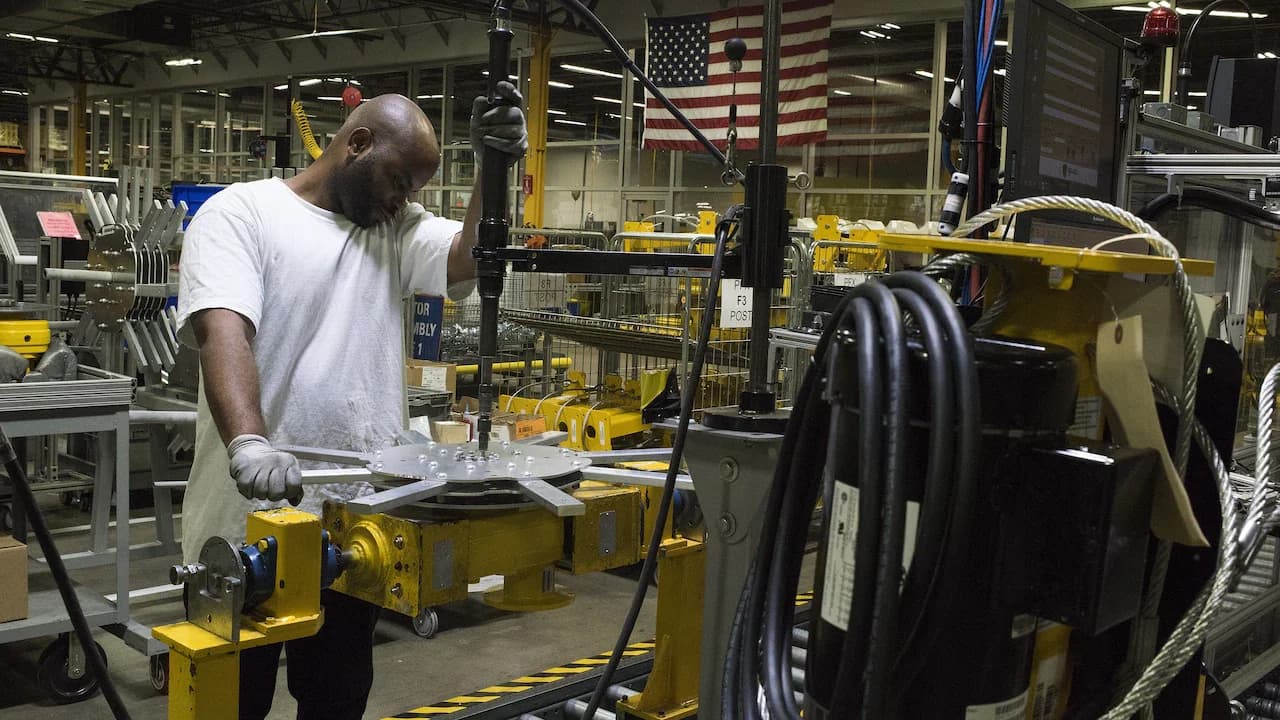
The strong hiring data supports expectations that the Federal Reserve will raise interest rates this year to contain inflation, as reported by ADP. The government's employment report due Thursday, which includes public-sector hiring, is expected to show US employers added 115,000 jobs in June. If confirmed, this would mark the strongest six-month stretch for hiring since mid-2024, potentially influencing monetary policy decisions. The trend could boost bets that the Federal Reserve will raise interest rates this year to contain inflation.
Looking ahead, key questions remain about whether the labor market will benefit from falling energy prices and improved consumer confidence following the US and Iran's interim deal to end the war, as noted by ADP. The Middle East conflict had previously driven inflation higher and pushed consumer sentiment to record lows. ADP's findings are based on payrolls covering more than 26 million US private-sector employees. The sustained hiring momentum suggests the labor market is adapting to changing economic conditions and showing resilience in the current economic environment.