Crypto markets absorbed a risk reset before U.S. equities could fully respond, as reported by Wintermute, after the Federal Reserve held rates steady and U.S.-Iran talks lost momentum. Bitcoin traded near the low $60,000s after rising close to $67,000 earlier in the week, with Wintermute noting that BTC closed down 3.8%, while Ethereum lost 1.2% and altcoins were roughly flat. The firm described the move as another leverage flush, with long positions facing far larger losses than shorts, showing traders had leaned too heavily toward a rebound. Bitcoin fell to an intraday low near $62,560 before stabilizing around $62,800, with spot Bitcoin ETFs recording another $68 million in outflows. Ethereum gave the clearest weak signal after losing the $2,000 area again and moving toward the mid-$1,700s, as reported by crypto.news.
The Federal Reserve held rates steady at Wednesday's meeting, the first under Chair Kevin Warsh, but indicated that at least one interest rate hike is back on the table for 2026. As reported by Reuters, almost half the Fed members indicated they expected a hike moving forward, with Warsh using his press conference to echo the policy statement's emphasis on delivering price stability. The latest dot plot of rate projections showed that nine of 18 central bank officials now project at least one rate hike in 2026, compared to none in the prior forecasts released in March. This hawkish repricing is moving currency and rates markets more significantly than the Iran de-escalation, with markets almost fully pricing in a Fed rate hike as soon as October (+22 basis points). However, Barclays now expects the Fed to keep rates unchanged through the end of 2027, while Goldman Sachs maintains its base case that policymakers will remain on hold this year, though analyst David Mericle acknowledged the latest meeting increased the risk of future hikes. The FOMC statement came in at a mere 130 words and didn't include forward guidance, suggesting a much less chatty Fed moving forward.
US stock futures surged early Thursday as investors welcomed a diplomatic breakthrough between Washington and Tehran, outweighing hawkish signals from the Federal Reserve. According to Reuters, the U.S. and Iran have signed a 14-point Memorandum of Understanding (MoU) ahead of schedule, including provisions to reopen the critical Strait of Hormuz. The agreement establishes a 60-day negotiating window to reach a broader peace agreement, with oil benchmarks pulling back to around US$80/barrel as the situation unfolds. U.S. President Donald Trump signed the memorandum of understanding with Iran during a dinner at France's Versailles palace on Wednesday, as reported by Investing.com, with the document also signed by Iranian President Masoud Pezeshkian. However, negotiations set to begin today in Switzerland were cancelled, raising questions about how quickly this conflict can be resolved and whether the initial optimism was premature. Brent crude settled around $80 on Friday, June 19, after US-Iran talks were abruptly called off, yet the reaction was muted, with WTI trading near $76, down roughly 34% from conflict highs. The deal's effectiveness is further complicated by Iran's threat to close the Strait of Hormuz again after accusing the US and Israel of violating the memorandum, with Senator Lindsey Graham warning that if the deal fails, "President Trump is going to take the Strait of Hormuz over by force."
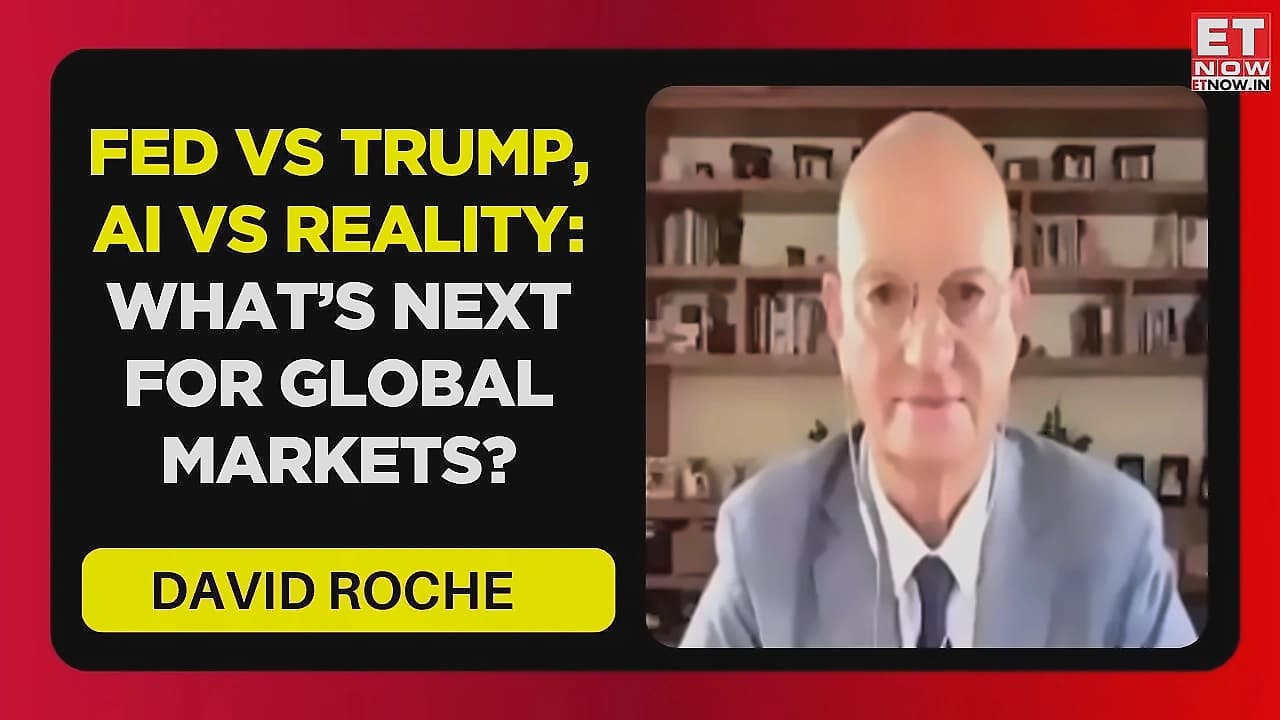
The US Dollar is on a tear following the Federal Reserve's hawkish tone at Wednesday's meeting, as reported by Investing.com India. The USD/JPY has surged higher, touching levels just south of ¥162, leaving Japan's Ministry of Finance in an uncomfortable position regarding potential intervention. US Treasury yields have bear-flattened as traders price in more aggressive Fed tightening. According to ET Now, David Roche, President of Quantum Strategy, noted that the Fed has turned out to be more hawkish than people imagined and not submitting to the wishes of Donald Trump, with policymakers remaining committed to their inflation mandate. However, the Fed's hawkish tone during Wednesday's meeting capped gains in interest futures, which had initially rallied on peace deal optimism. Gold fell to around $4,150 per ounce on Friday, as the dollar climbed to a one-year high, with the driver being the Warsh hawkish FOMC shift rather than geopolitics. Goldman Sachs cut its year-end gold target to $4,900 from $5,400, while US equities held up better, with the S&P 500 recovering from Fed-day losses, closing its 11th winning week in 12. For now, Freeman's advice is implicitly clear: this is not a week to chase risk, as markets remain volatile due to unresolved issues like Iran's nuclear program and the Strait of Hormuz.
The Strategy story offered some relief after earlier concern over a 32 BTC sale, as reported by crypto.news, with Wintermute noting that the company later bought 1,587 BTC for about $100 million, removing fears that Michael Saylor's firm had become a forced seller. The same report also documented another Strategy purchase of 520 BTC and a larger cash reserve. However, ETF flows and Strategy purchases now add less fresh demand than they did in prior market phases, with Wintermute saying, "The funnels aren't turning," pointing to a market that has cleaner leverage but not enough new buying pressure. The failed signing of the Iran deal forced crypto to price in risk while equity markets were closed, with the firm warning against treating any rebound as proof that the selloff has ended. Bitcoin remains tied to Fed pricing, ETF demand, and the next round of U.S.-Iran talks, leaving traders focused on whether fresh inflows return rather than whether prices bounce from support.
Canada's commodities-heavy main stock exchange is trading lower on Thursday, with the S&P/TSX composite index down 124 points, or 0.4% as reported by Investing.com. The S&P/TSX 60 index had fallen by 5 points, or 0.3% by 12:18 ET, while the S&P/TSX composite index had fallen by 0.8% to end at 35,125.11 on Wednesday. However, main U.S. stock indices advanced significantly, with the Dow rising by 171 points, or 0.3%, the S&P 500 gaining 73 points, or 1%, and the Nasdaq jumping by 360 points, or 1.4% by 12:19 ET. The main averages on Wall Street sank in the prior session, weighed down by an uptick in U.S. government bond yields following the Fed's decision to leave interest rates unchanged. The TSX briefly notched a fresh record high earlier in the session, demonstrating the mixed impact of the dual forces of Fed hawkishness and Iran peace deal optimism on global markets. China's markets continue to struggle with property woes, while India shows promise, potentially emerging as a long-term AI powerhouse, providing relative safe harbour for investors amid the global market uncertainty.