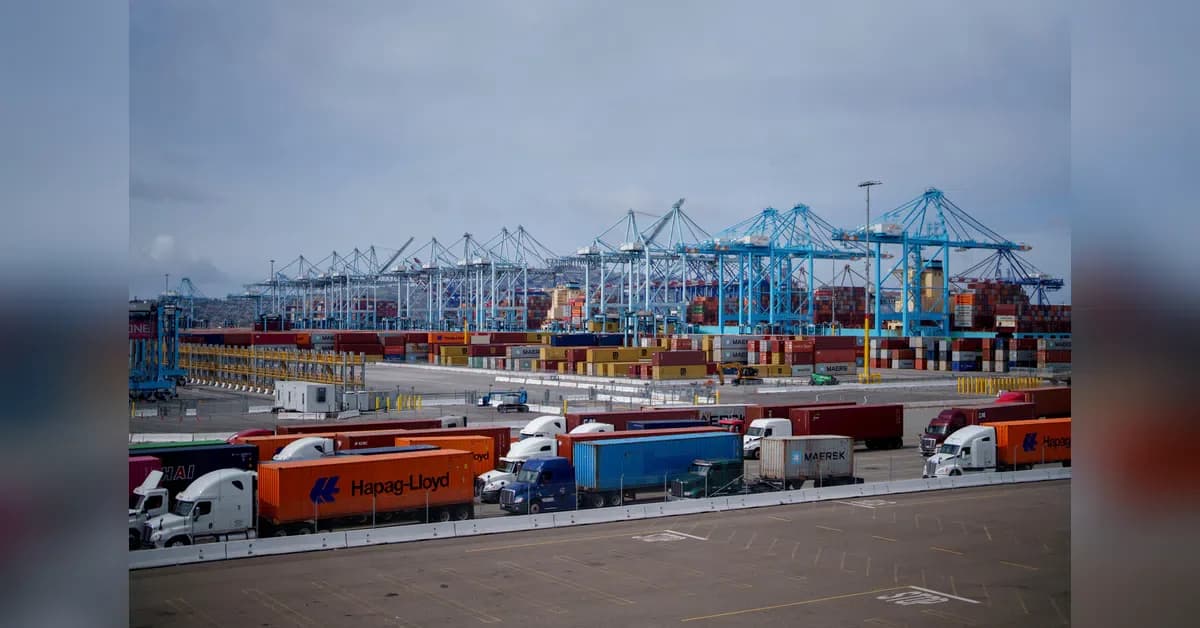
The United States has officially imposed 25% tariffs on nearly all imports from Brazil following a directive from President Donald Trump, as confirmed by a Federal Register notice published by the Office of the US Trade Representative (USTR) on Thursday. According to the notice, the additional duty applies to Brazilian goods entered for consumption, or withdrawn from warehouse for consumption, from July 22, 2026. However, goods already loaded onto a vessel and in transit before that deadline will have until July 29 to enter the US under existing rates. The tariffs were first proposed last month and take effect after a yearlong investigation by the Office of the US Trade Representative, marking the first major action under the Trump administration's revamped trade strategy following a Supreme Court ruling that dismantled the administration's earlier tariff framework. This represents the first time Washington has used Section 301, traditionally deployed against issues such as intellectual property theft, subsidies and market access, to target a country's domestic payment system.
The primary focus of the tariff action centers on Brazil's state-run Pix instant-payment system, which has become a dominant force in the country's digital payments landscape. According to the U.S. Trade Representative, Pix now processes more transactions than credit and debit cards combined, with the system used by more than 90% of Brazilian adults. The U.S. argues that Pix's rules, including free services for individuals and capped merchant fees, disadvantage American payment firms like Visa and Mastercard in a market where Pix has grown rapidly since its November 2020 launch. Pix processed nearly 7 billion transactions worth roughly ₹3 trillion ($590 billion) in June, with the system handling 42.9 billion transactions in the second half of 2025, compared with 23.8 billion across credit, debit and prepaid cards. The Brazilian central bank encourages Pix use by mandating that participating institutions offer it free to individuals and capping business transaction fees. Pix has become a core part of everyday payments since the Central Bank of Brazil launched it in 2020, with the central bank reporting the system processed 63 billion transactions worth BRL 26.4 trillion in 2024. The USTR did not impose a separate tariff on the payment system, instead including electronic payments among the practices used to justify tariffs on Brazilian goods.
Despite Washington's concerns about Brazil's non-dollar payment infrastructure, dollar-linked stablecoins already account for roughly 90% of crypto transaction volume in Brazil, with the country processing between $6 billion and $8 billion in crypto each month. According to tax authority data, most of this crypto activity is used for payments and settlement, with the U.S. dollar already circulating widely in Brazil's digital economy via blockchain-based payment rails. The trade dispute comes as dollar-pegged tokens represented 40% of crypto purchases on Bitso in 2025, ahead of Bitcoin, showing continued demand for digital dollars alongside established local payment systems. As reported by crypto.news, Tether-backed Oobit added Pix support in June, allowing users to deposit reais, hold USDT and pay through Pix keys or QR codes, demonstrating how the two systems can connect through stablecoin interfaces. However, Brazil's central bank has moved to limit stablecoin role in regulated cross-border payments through Resolution BCB No. 561, effective October 1, which bars virtual assets from settling payments inside regulated electronic foreign-exchange channels.
The Office of the US Trade Representative concluded that Brazil engaged in unfair trade practices, including lax anti-corruption enforcement and unfair tariffs of its own. The investigation specifically cited concerns over Brazil's instant payment platform Pix and other market access and regulatory issues, with the Trump administration arguing these policies create unfair conditions for American businesses and distort competition. The tariffs are being imposed under Section 301 of the Trade Act of 1974, allowing the US to launch investigations into Brazil's trade practices following the Supreme Court's February ruling against Trump's earlier tariff framework under the International Emergency Economic Powers Act of 1977. The current action stems from a Section 301 investigation USTR launched in July 2025 into Brazil's practices concerning digital trade and electronic payment services, unfair and preferential tariffs, anti-corruption enforcement, intellectual property protection, ethanol market access, and illegal deforestation.
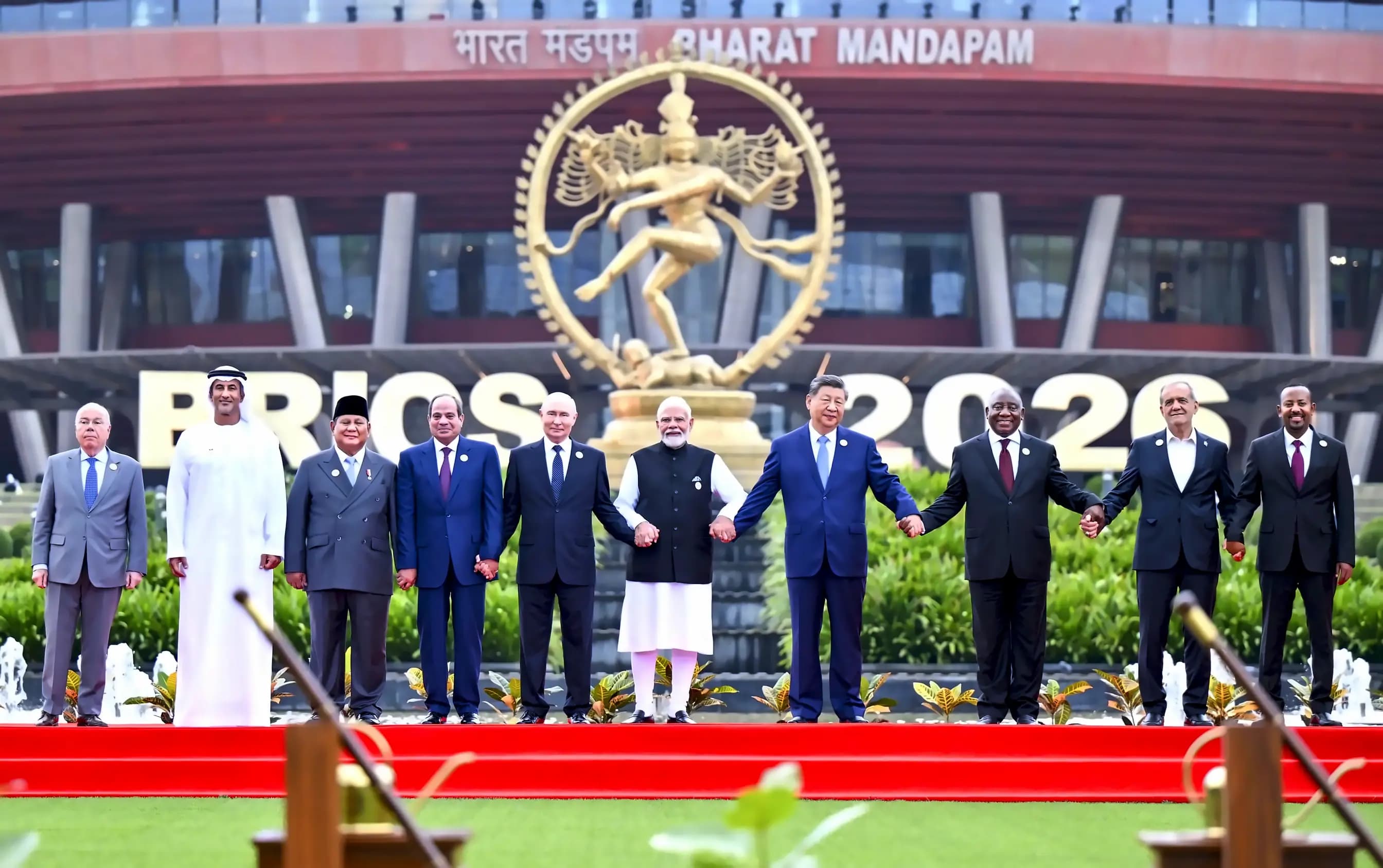
Brazilian President Luiz Inacio Lula da Silva strongly criticized the U.S. decision, calling it unjustified and announcing that Brazil would invoke protections under its Reciprocity Law and challenge the tariffs through the WTO's dispute settlement system. As reported by Associated Press, he blamed his rival in the country's October elections, Senator Flavio Bolsonaro, who recently visited Washington and is the son of former President Jair Bolsonaro, an ally of President Donald Trump. Secretary of State Marco Rubio accused Lula's government of failing to negotiate in good faith, stating that the Brazilian president had placed politics ahead of reaching an agreement. Rubio emphasized that "President Lula and his government have not negotiated with the US in good faith," adding that Lula "put his own ego ahead of making a deal for the welfare of the Brazilian people." However, senior Trump administration officials on Wednesday dismissed that politics played a role in the decision, citing the grievances as concerns the US has long aired publicly in the trade relationship. The move creates a precedent for future trade disputes over governments building their own payment networks, potentially extending beyond Brazil to countries such as India's Unified Payments Interface (UPI) and the European Central Bank's planned digital euro.