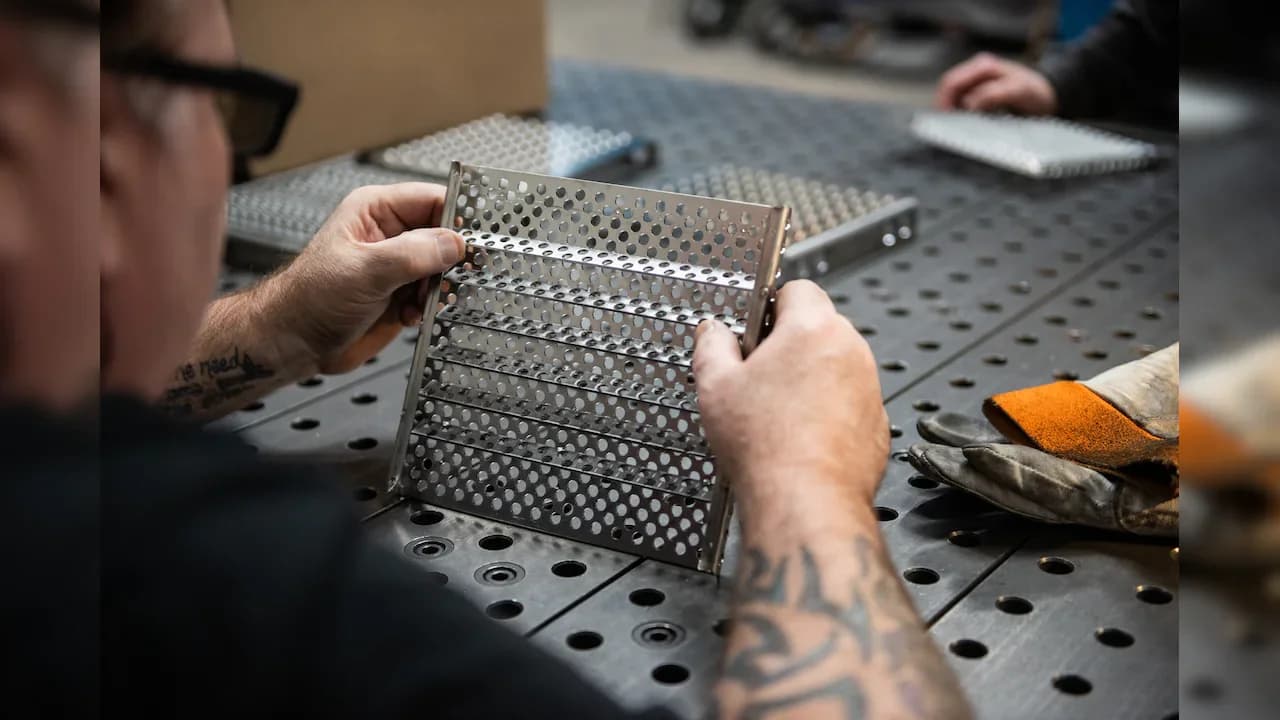
US industrial output rose 0.2% in July, marking the second consecutive month of growth following an upwardly revised 0.3% gain in June. According to the Federal Reserve's latest report, this sustained momentum demonstrates that the industrial recovery is not a one-off blip but represents two months of consistent growth. Factory output, which comprises about three-fourths of all industrial production, also moved higher with a 0.2% increase, even as vehicle manufacturing declined. The growth was broad-based across sectors, with utility output posting its monthly increase in three months and mining production also rising, indicating that multiple parts of the industrial world are moving upward simultaneously.
US housing activity experienced a sharp decline in July, with single-family homebuilding falling 9.9% to a seasonally adjusted annual rate of 808,000 units, marking the lowest level since November 2022 and representing a 15.7% decline from the previous year. According to the Commerce Department's Census Bureau, as reported by Reuters, total housing starts including multifamily buildings dropped 12.4% to an annualized rate of 1.239 million units, falling below economists' expectations of 1.35 million. The weakness extended to existing home sales, with contract signings for previously owned homes declining 2.3% from the previous month to their lowest level since January, according to the National Association of Realtors. Permits for future single-family construction increased 2.5% to an annualized rate of 894,000 units, though they remained close to a three-year low and were up only 1.1% year-on-year for only the second yearly increase in the past two years. Economists suggest relief could come if mortgage rates decrease, aiding builders in navigating current inventory and encouraging new projects.
The industrial growth was primarily driven by computer and electronic products output, which climbed 1.9%, representing the kind of number that tends to get attention because it ties into the recent wave of AI-related investment. Business equipment production rose 0.8%, a sign that companies are still spending on machinery and tools, while defense and space equipment output jumped 1.8% amid continued high spending from the U.S.-led war with Iran. Construction supplies posted their biggest increase since January, which points to building activity picking up, and semiconductor output climbed 2.4%, continuing the trend of AI-driven manufacturing momentum. Excluding motor vehicles, factory output rose 0.4%, indicating that the rest of the manufacturing world is doing better than the overall number suggests. Factory capacity utilization rose to 76% in July, a measure of how much of the country's production potential is actually being used, with the factory reading not a red-hot alarm but indicating the sector is busy without being overheated.
The automotive sector emerged as the primary weakness in July, with auto production falling 2.1%, representing the biggest drop since October. According to the Federal Reserve's latest report, this decline in car plants is the weak spot in the industrial landscape, with higher input costs and supply disruptions linked to the Iran war still making life complicated for factories. These problems don't show up in today's production report but can show up later in prices or profit margins. The contrast between the strong technology and defense sectors and the cooling auto market highlights a real split inside the industrial report, with manufacturing growing but not every part of it growing at the same speed.
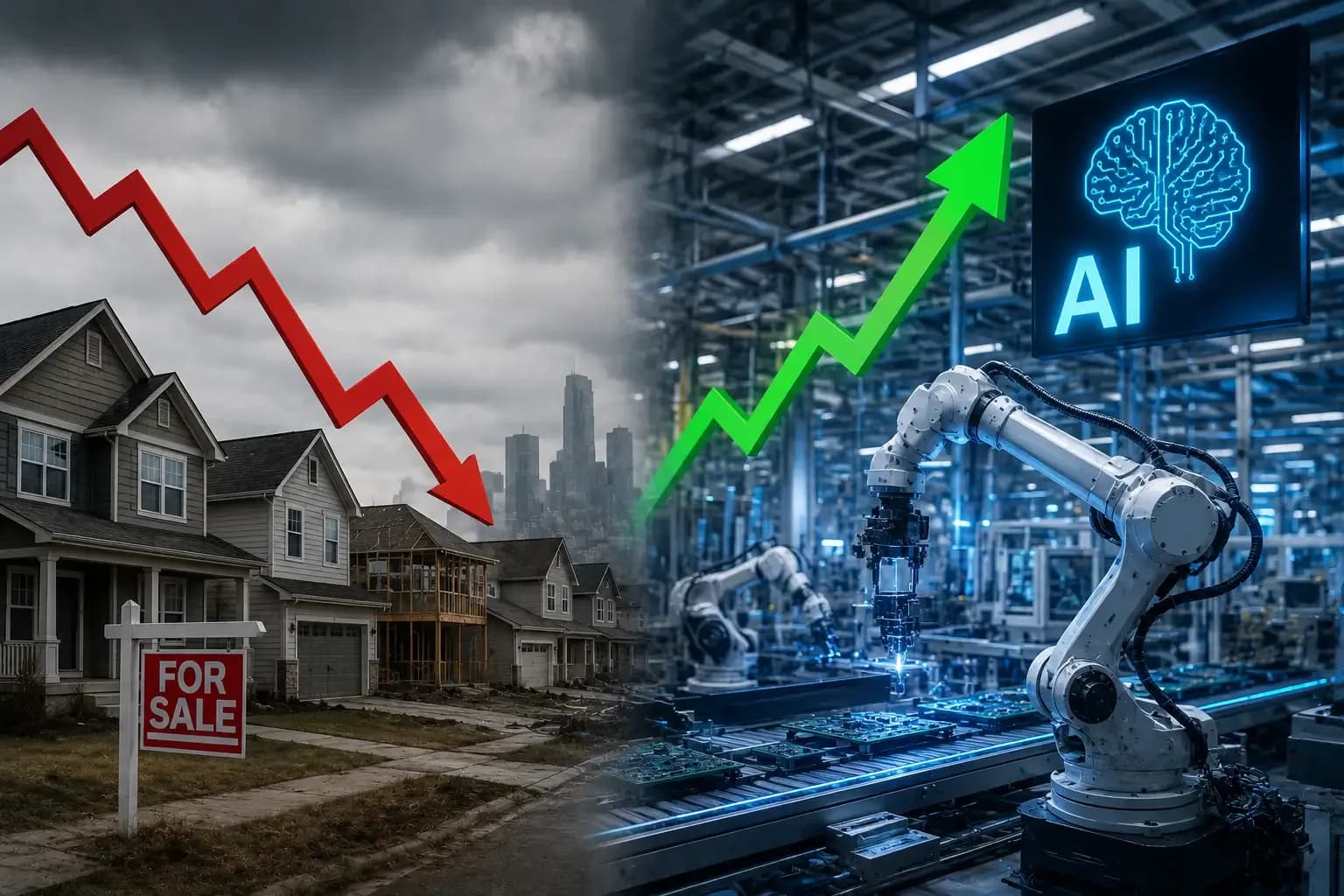
The contrasting performance between housing and manufacturing sectors highlights an uneven US economy, with interest-rate-sensitive sectors struggling while investment tied to artificial intelligence continues to provide momentum for industrial activity. The strength in AI-related investment is beginning to extend beyond information-processing equipment, potentially supporting a broader range of capital goods and manufacturing activity. However, other sectors face challenges, with motor vehicle assemblies slipping to 10.42 million from 10.68 million in June, and heavy and medium truck production falling to the lowest since March, indicating weakening demand from trucking and delivery companies. The housing market's weakness, combined with the manufacturing sector's robust performance, underscores the divergent economic trajectories across different sectors of the US economy, with the bifurcation highlighting the changing landscape powered by technological advancements. The residential real estate market remains in a deep rut, with high mortgage interest rates and limited supply of homes on the market hurting affordability and sales rates, while the manufacturing sector continues to benefit from the AI buildout and demand for high-tech equipment.