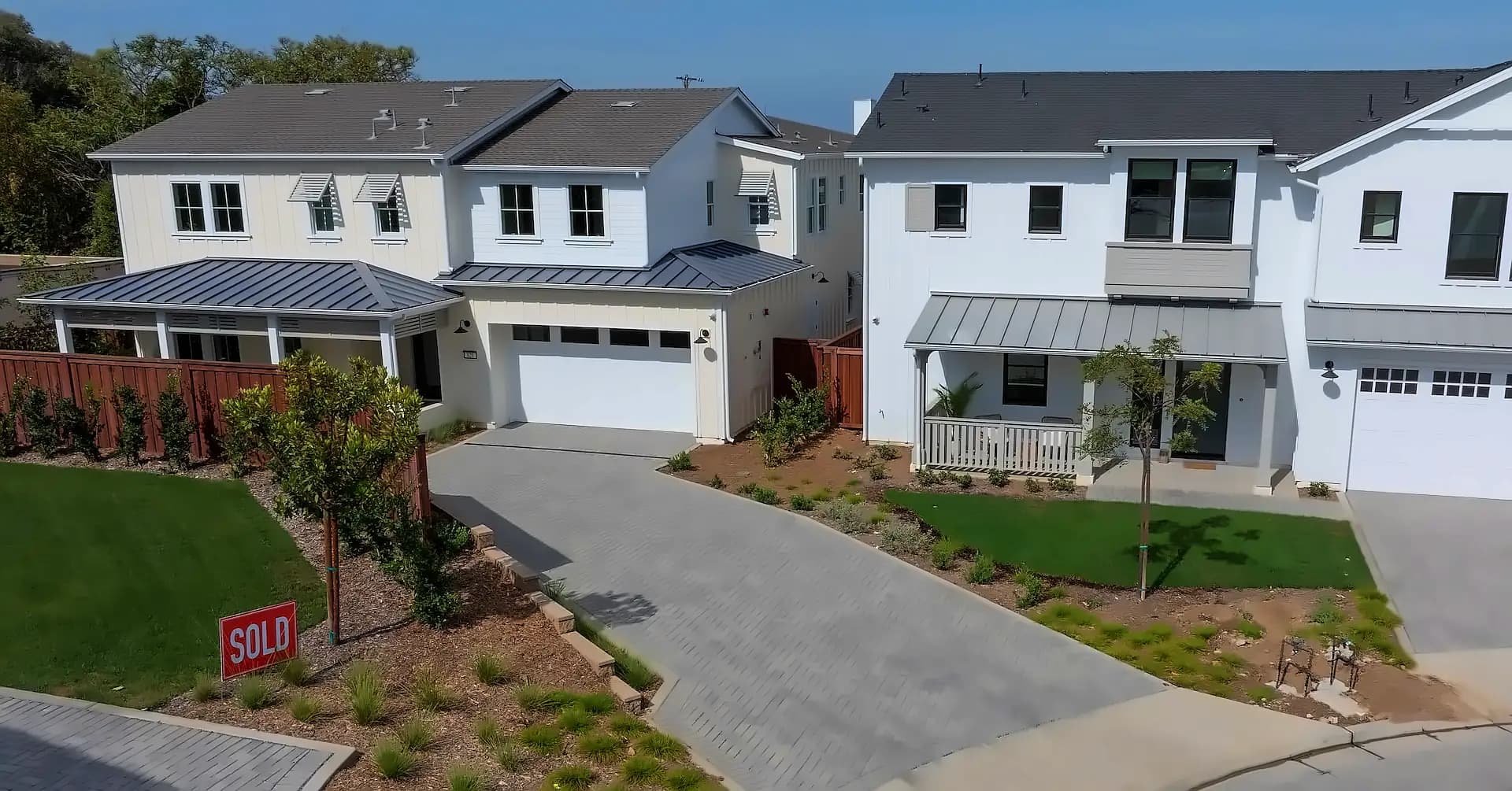
US homebuilder sentiment has plummeted to a 2024 nadir of 34 in July, marking the lowest reading of the year and falling two points below forecasts of 36. As reported by Reuters, this represents the 15th consecutive month that the index has remained below 40, the longest such streak since 2012. The National Association of Home Builders (NAHB)/Wells Fargo Housing Market Index works like a thermometer for builder confidence, with any reading under 50 meaning more builders think conditions are bad than good. At the current 34 level, the gap is wide, suggesting builders are deeply pessimistic about near-term prospects for both sales and construction activity. This sustained weakness has already led to cutbacks in new projects, which in turn reduces housing supply and keeps upward pressure on prices.
Builders continue to face weak buyer demand as many prospective homeowners delay purchases while waiting for mortgage rates to ease, inflation to moderate and the economic outlook to become clearer. According to Reuters, mortgage rates are expected to remain elevated following renewed hostilities between the United States and Iran after a fragile ceasefire collapsed last week, adding another headwind for the housing sector. The survey's gauge of current sales conditions slipped one point to 37, while the measure of expected sales over the next six months fell two points to 43. As Reuters reports, the index dropped to 34 this month, the 15th straight month that the index remained below 40, representing the longest such stretch since 2012. The decline reflects ongoing headwinds from high mortgage rates and broader economic uncertainty impacting prospective homebuyers, compounded by elevated costs for land, labor and construction materials that continue to weigh on margins.
The survey revealed that builders are increasingly relying on discounts and incentives to boost sales, with the share of builders cutting prices rising to 37% in July from 35% in June, while the average price reduction remained unchanged at 6%. As reported by Reuters, the proportion of builders offering sales incentives edged up to 63% from 62% in June, extending a streak of 16 consecutive months in which at least 60% of builders have used incentives to attract buyers. The index tracking prospective buyer traffic declined two points to 23, underscoring continued weakness in demand. According to the Census Bureau and Department of Housing and Urban Development, new-home sales fell 6.8% from the prior month and 10.5% from a year earlier, reflecting the challenging market conditions. The recently released June 2026 BTIG/HomeSphere monthly homebuilder survey found that only 35% of builders reported higher year-over-year sales, while 27% reported lower year-over-year sales, with customer traffic strengthening more sharply as 38% of builders reported higher year-over-year traffic.
The homebuilding industry welcomed a recently enacted bipartisan US housing affordability law that includes measures to curb single-family home purchases by large investment firms and expedite environmental reviews for construction projects. As reported by Reuters, the bill became law over the weekend despite President Donald Trump not signing, demanding that a separate voting bill be passed. NAHB chief economist Robert Dietz stated that "Looking ahead, the newly enacted housing law is a positive step that will help expand housing supply and lower overall housing costs, although more policy change is needed at the state and local level." Regional differences remained pronounced in July, with the Midwest recording the strongest reading at 46, its highest level of 2026, while sentiment in the Northeast fell to 41. The South posted a reading of 31, and the West remained the weakest region at 25. The weaker-than-expected sentiment reading could weigh on US homebuilder stocks, including major players like D.R. Horton, Lennar, PulteGroup, NVR, Toll Brothers and KB Home, as persistent affordability challenges and high borrowing costs threaten new home sales and pricing power. Meanwhile, the existing home market is showing similar weakness, with pending home sales falling 5.4% in June to an index of 72.5, well below economists' prediction of a 0.5% drop.

The housing market continues to face significant challenges as affordability pressures persist across the industry. According to the latest data, new home sales have shown mixed performance with March showing a 3.3% year-over-year increase but median prices falling 6.2% to $387,400. April saw sales decline to 622,000 units with an 11.3% annual decline, while May recorded 580,000 units down 6.8% year-over-year. However, median prices showed resilience, rising 2% to $424,900 in May. The recently released June 2026 BTIG/HomeSphere survey indicates that homebuilders remain cautious, with only 35% reporting higher year-over-year sales and 27% reporting lower sales. The survey also found that 19% of builders raised prices while 15% lowered them in June, with incentive activity remaining largely unchanged. The upcoming June new home sales data, scheduled for release next week, will provide important insights into how the tail end of the spring selling season performed amid ongoing economic and geopolitical uncertainties. Meanwhile, existing home sales data released by the National Association of Realtors showed pending home sales fell 5.4% from May and were 0.3% below June 2025, well below analyst expectations, with NAR Chief Economist Lawrence Yun noting that "The highest mortgage rates in nearly a year and the record-high national median home price together are contributing to a tepid housing market that is especially difficult for first-time homebuyers."