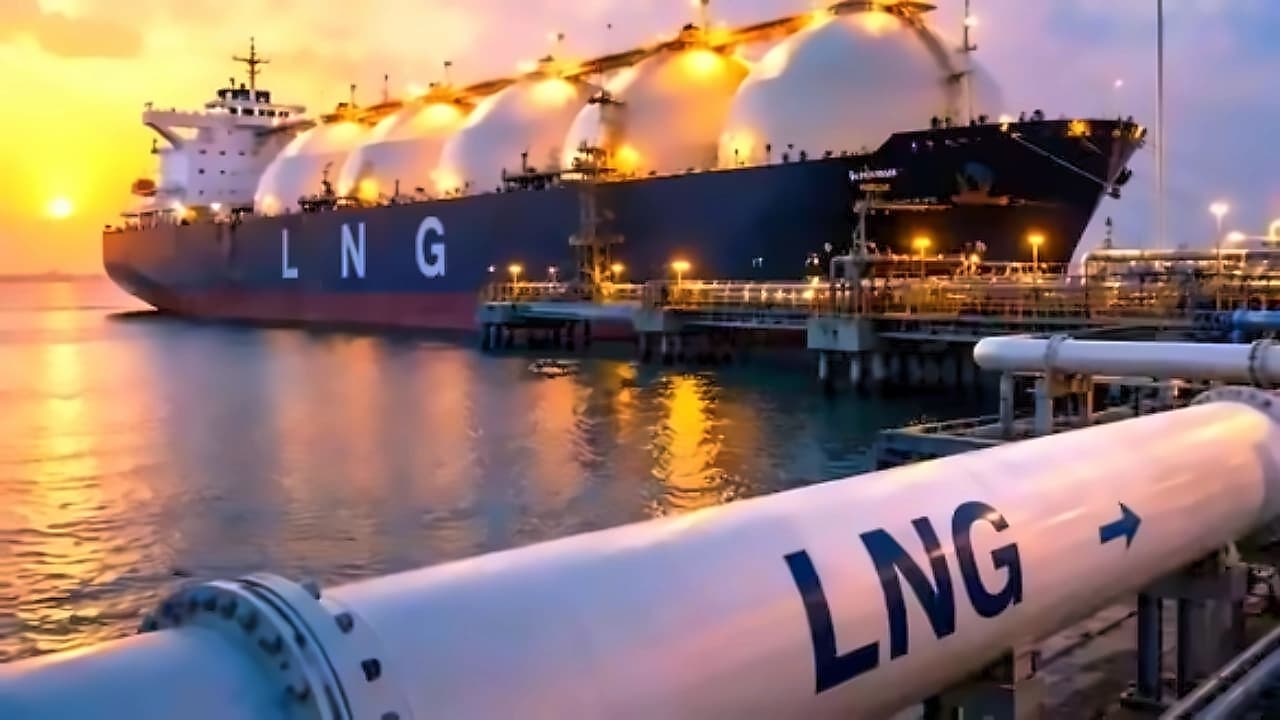
A consortium of American companies, backed by US President Donald Trump's administration, is seeking up to $4.4 billion in investment for an integrated liquefied natural gas (LNG) project in Pakistan. According to reports from Dawn newspaper, the proposed project will cover imports, storage, regasification, gas transmission and sales to large consumers on a merchant basis. The consortium comprises Global Vision Energy Partners (GVEP), Khanjee Holdings, and strategic co-investors from other countries and Luxembourg-based General Mediterranean Holding. This proposal follows the withdrawal of Energas, an earlier frontrunner comprising the Lucky Group and QatarEnergy, which abandoned the project citing fundamental changes in Pakistan's energy policy and requirements, along with longstanding unresolved policy and fiscal issues.
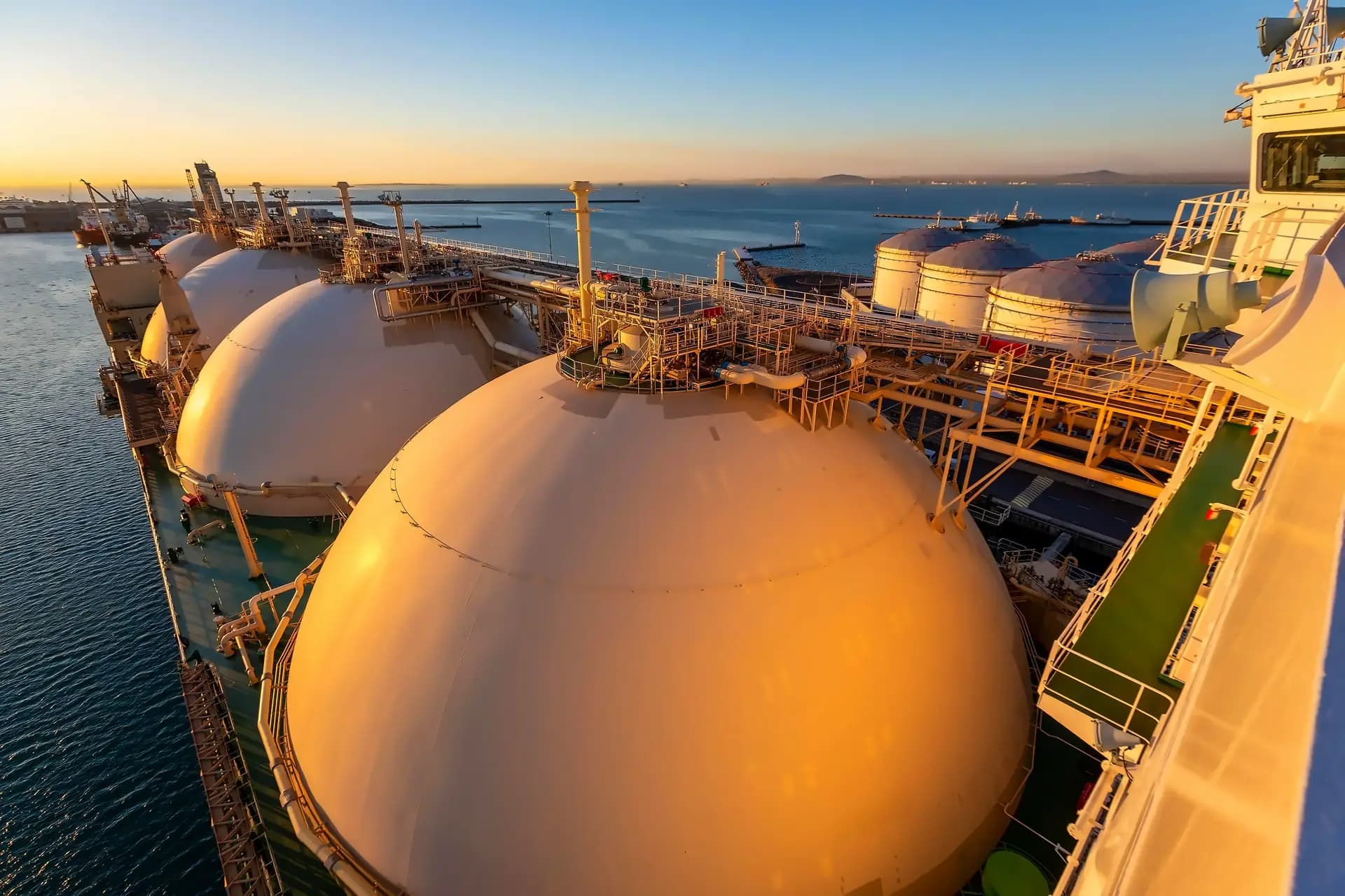
The project has been approved for consideration under the US Trade and Development Agency's project preparation programme and may receive partial financing from the US Development Finance Corporation. As reported by Dawn, the consortium plans to develop the project in two phases. The first phase will involve an LNG terminal and storage facility with four tanks and an estimated annual throughput of 35 billion cubic feet (BCF), at a cost of $1.7 billion. The second phase will construct a 1,100-km pipeline measuring 42-48 inches in diameter, with capacity of around 1.2 billion cubic feet per day (BCFD), bringing the total project cost to $4.4 billion. The project proposes a pricing structure of $4.93 per mmBtu for terminal and storage and $1.91 for transmission over the first decade. The project may also receive partial financing from the US Development Finance Corporation, backed by export credit guarantees from the US Export-Import Bank for technology, equipment and services.
The project site has obtained consent from the Port Qasim Authority and the sponsors have filed an application with the Oil and Gas Regulatory Authority (OGRA) for a provisional licence. According to Dawn, Port Qasim is located in the southeastern part of Karachi in Pakistan's Sindh province, along the coastline of the Arabian Sea in the Indus Delta region. The US sponsors consider Port Qasim strategically important due to its existing port infrastructure and access for LNG carriers, as well as its location outside the Strait of Hormuz, a major global energy shipping chokepoint. The proposed project includes four storage tanks at Port Qasim, capable of holding 560,000 cubic meters of LNG. Government facilitation has been conveyed through the Ministry of Maritime Affairs and the Ministry of Energy's Petroleum Division, with the project being structured as a merchant infrastructure platform to meet domestic re-gasification requirements while establishing a physical LNG storage and trading hub in South Asia for U.S. and Middle Eastern suppliers.
Pakistan currently has no LNG storage facilities, leaving its supplies of regasified LNG dependent on import infrastructure and international energy prices. The proposed venture is being structured as a merchant infrastructure platform to meet domestic re-gasification requirements while establishing a physical LNG storage and trading hub in South Asia for U.S. and Middle Eastern suppliers. The model will not depend on a single government-backed offtake arrangement. The government had previously pursued a similar north-south gas pipeline project with Russia, highlighting the strategic importance of this US-backed alternative. This development is crucial for Pakistan, which faces ongoing energy shortages and seeks to diversify its energy sources, with the proposed LNG project potentially enhancing energy security and stimulating economic growth while attracting further foreign investment in the energy sector.
The consortium is engaging local investors for up to 10% equity participation, with indicative investments starting at $50 million per investor. According to Dawn, they are seeking strategic co-investors including global energy and infrastructure funds such as Grey Rock Investment Partners, Kohlberg Kravis Roberts & Co, Blackstone Inc, Saudi Arabia's Public Investment Fund and the Kuwait Investment Authority. A special purpose vehicle (SPV) has been incorporated to hold the project's assets and liabilities and ring-fence its financial risks. The SPV will develop, own and operate the project as a regional LNG storage, re-gasification and trading hub serving Pakistan's domestic gas market alongside U.S. and West Asian suppliers. Re-gasification tariffs for the domestic market will be submitted to OGRA for approval, while other commercial services, including storage, tolling and transshipment, will be priced on market-based terms. Next steps include detailed feasibility studies and negotiations with the Pakistani government to finalize the terms of the investment, with the consortium expected to engage with local stakeholders to address any regulatory or logistical challenges that may arise during the project's implementation.