US government borrowing costs have reached their highest levels since 2007 following three months of the Iran war, with the conflict potentially adding billions of dollars in interest payments to US debt. According to Financial Times reports, this represents a dramatic escalation from previous levels, with the bond market's response to geopolitical tensions now creating significant fiscal pressures. The surge in yields reflects investor concerns about the long-term economic impact of the ongoing conflict, with 10-year yields having surged more than 50 basis points since the February 28 start of the U.S.-Israeli war with Iran. 10-year yields have touched 4.69%, the highest since January 2025, and were last at 4.56%, representing a substantial increase from pre-conflict levels.
Federal Reserve officials' concerns about inflation being stoked by the Iran war intensified last month, with a growing number saying the central bank should lay the groundwork for a possible rate hike. According to Fed minutes from the April 28-29 meeting, a majority of Fed policymakers said some policy tightening may be needed were inflation to continue running persistently above the central bank's 2% target. The readout of the most divided Fed policy meeting in a generation showed that many participants indicated they would have preferred removing the language from the postmeeting statement that suggested an easing bias regarding the likely direction of future interest rate decisions. The main culprit for the further hawkish drift among policymakers was the inflation pressures that have been aggravated by the US-Israel-led war against Iran, with the nearly three-month-old conflict driving up energy prices and fanning cost pressures across a widening array of goods and services.
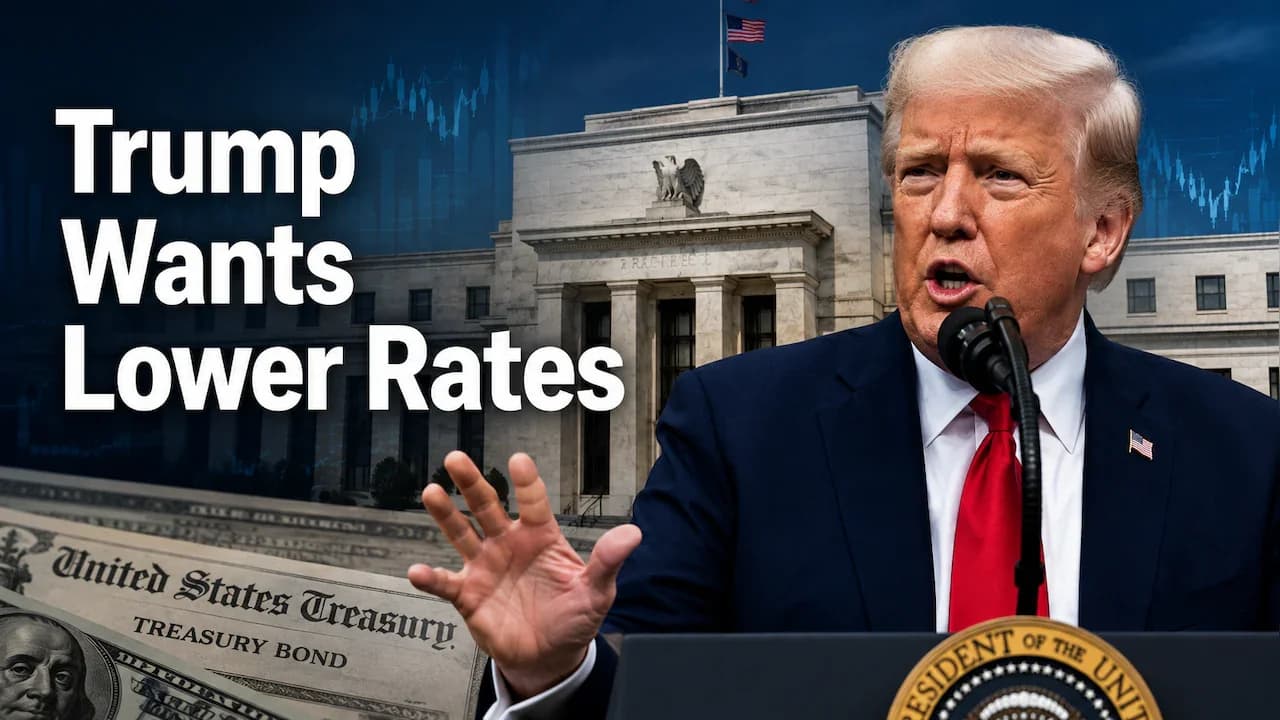
President Donald Trump's resolve on Iran is being tested by a force largely beyond his control: the bond market. As yields rose rapidly over the last week, a White House official said there was significant anxiety among staff over gasoline prices and where the bond market is headed, with fuel prices the biggest source of anxiety right now. Trump said on Saturday that Washington and Iran have been making progress on a peace deal in the three-month-old war, although on Sunday he emphasized there was no rush for a deal, dampening hopes of an imminent breakthrough. According to Reuters, Shawn Snyder, economic strategist at Potomac Fund Management, noted that "if the administration is worried about higher yields, then trying to de-escalate the situation with calmer words is something they can do." He added that market prices are responsive to comments from Trump about a resolution to the war. Trump's administration faces the challenge of unwinding market pain that's not easily reversible, with Greg Faranello, head of U.S. rates strategy at AmeriVet Securities, noting that "The markets are showing him pain, and he has to figure out how to unwind that — and it's not that easy."
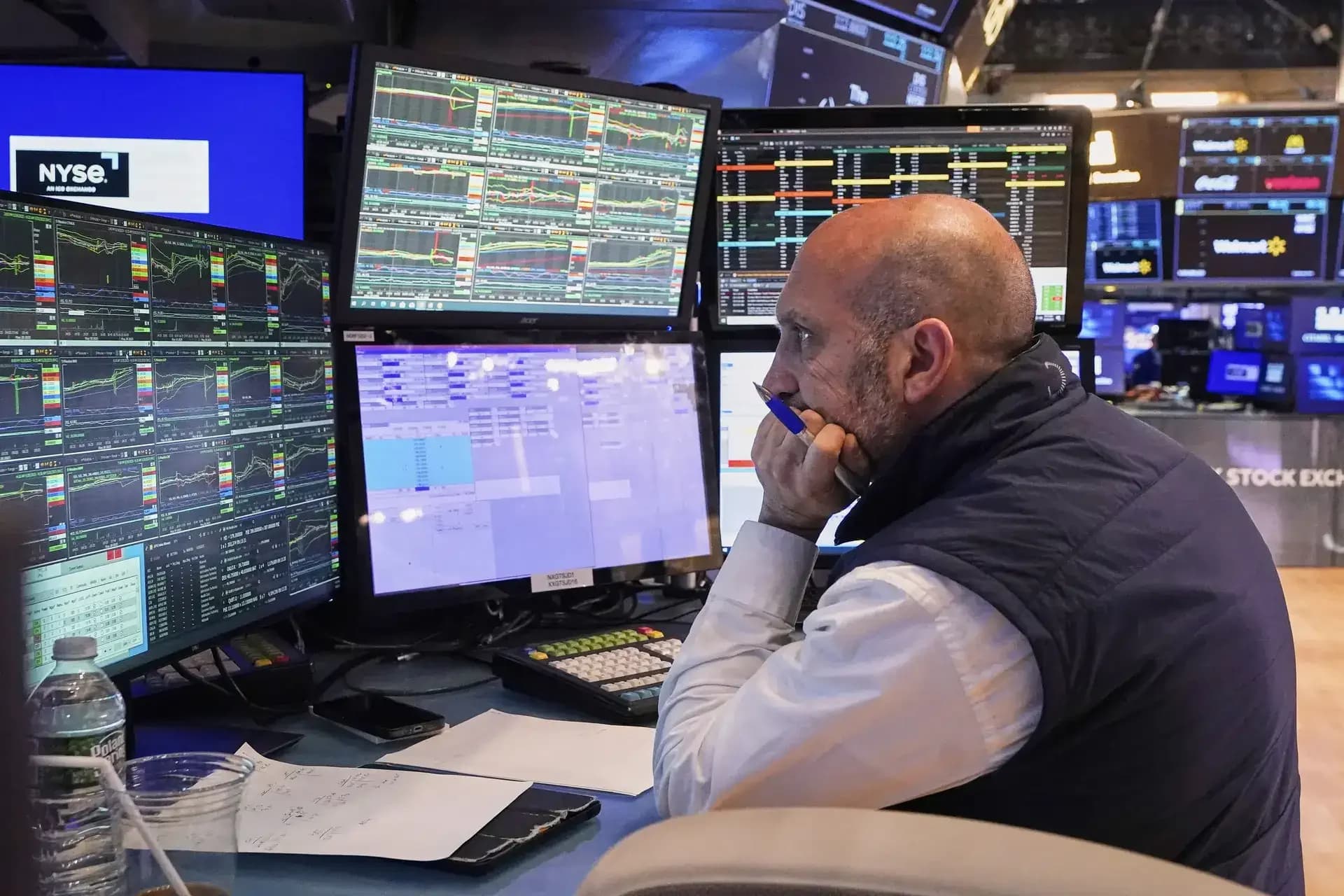
A sustained rise in borrowing costs could cool housing demand, weigh on consumer spending and, in a worst-case scenario, tip the economy toward recession. That risk could prove especially significant heading into the U.S. midterm elections in November. John Kerschner, global head of securitized products at Janus Henderson, noted that "Affordability is a buzzword in Washington and for good reason because affordability really resonates with a large number of households and interest rates drive a lot of it." The White House also said any disruption was likely to be short-lived, with White House spokesman Kush Desai stating that "President Trump has always been clear about temporary market disruptions as a result of Operation Epic Fury." However, market participants warned that Washington's ability and willingness to respond may be limited, particularly when rates are driven by strong growth and persistent inflation rather than credit concerns. Sam Lynton-Brown, head of global macro strategy at BNP Paribas, noted that the rise was being driven less by fears over government borrowing and more by sticky inflation, strong economic growth, and elevated energy prices tied to geopolitical strains.
Despite the current market pressure, some analysts suggest the effects could be transient if a peace deal is ultimately brokered. Shawn Snyder, economic strategist at Potomac Fund Management, noted that "if the administration is worried about higher yields, then trying to de-escalate the situation with calmer words is something they can do." U.S. Treasury Secretary Scott Bessent and the White House both suggested that elevated yields would prove temporary. On Wednesday, yields on U.S. Treasuries retraced some of their sharp run-up after Trump said talks with Iran were in their final stage. However, Jonathan Hill, head of US inflation strategy at Barclays, noted that the argument that duration is selling off globally due to inflation fears is hard to square with market pricing of medium-term inflation risk, suggesting that while war-related inflation fears may be temporary, other structural factors are driving more permanent changes in long-term borrowing costs. The bond market has long been a powerful political force that can shape policy in Washington, which must maintain investor confidence to finance government debt.