The KBW Nasdaq Bank Index has declined around 16% from its peak, raising significant concerns about the health of the US banking sector and broader economy. Five of the 10 largest US banks have entered bear market territory, with shares of Bank of America, Wells Fargo, Goldman Sachs, Morgan Stanley and Capital One falling more than 20% from their respective peaks. According to market data, Bank of America shares have fallen 26.51%, Wells Fargo 22.94%, Goldman Sachs 23.8%, Morgan Stanley 21.84% and Capital One 25.1% from their peaks. Veteran market analyst Deepak Jasani attributed the decline to rising bond yields and sharp cuts in trading profits, warning that as long as yields continue to rise, the sector is likely to remain under pressure.

Morgan Stanley delivered robust third-quarter results with net income rising to $4.97 billion from $4.66 billion a year earlier, as reported by Livemint. The bank's equity-trading revenue reached $5.8 billion, significantly exceeding analysts' expectations of $4.9 billion, while total trading revenue stood at $7.81 billion, compared with estimates of $7.31 billion. The wealth-management division also showed strong growth, with revenue increasing to $9.1 billion from $8.2 billion a year earlier, while net new assets reached a record $232 billion during the quarter. Despite the strong earnings performance, Morgan Stanley shares fell 2.2% in early New York trading following the results, though the stock had gained 5.1% through Tuesday.
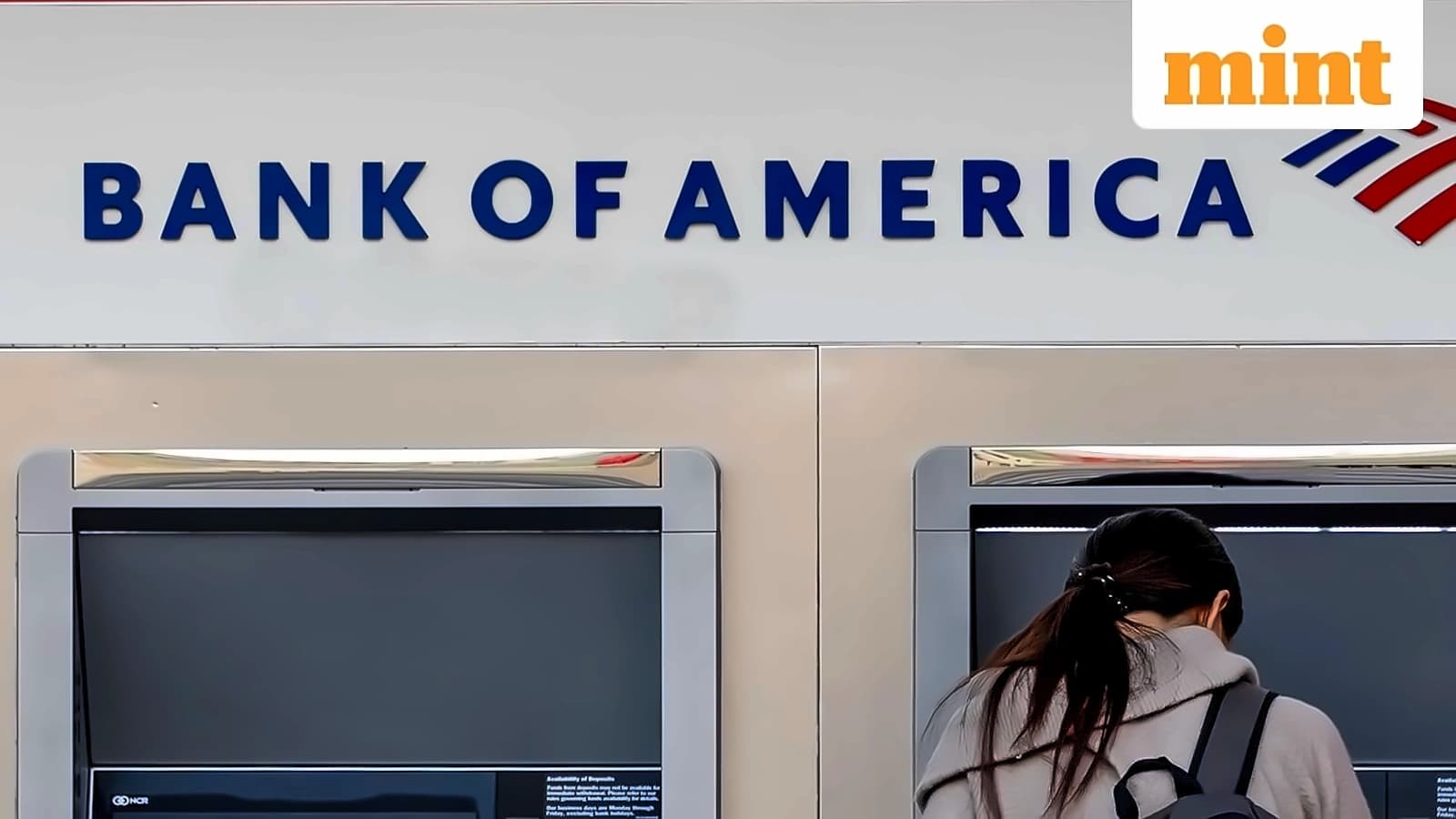
Bank of America's third-quarter earnings were significantly impacted by a $1.2 billion non-tax-deductible charge associated with regulatory penalties over money laundering and sanctions violations, according to Livemint. The provision reduced earnings by 17 cents per share and contributed to a 17% decline in net income, with total revenue falling below analysts' consensus estimates at nearly $30 billion. The bank's fixed-income trading revenue declined 17% to $2.55 billion, while equity-trading revenue increased 10% to $2.51 billion. Bank of America shares slumped 7.2% at 9:32 a.m. in New York following the results announcement, with the stock now down 26.51% from its peak.
Wall Street banks experienced a downturn in fixed-income trading revenues as Treasury yields surged to multi-decade highs during the third quarter, according to Reuters. The benchmark 10-year US Treasury yield recorded its biggest quarterly increase since 2009 by the end of September, with abrupt market moves prompting investors to reassess expectations for future interest rate paths. Bank of America's unrealised losses on mortgage-backed securities, US Treasury securities and government-agency bonds rose to $109 billion in the quarter ended September, from $85 billion at the end of June. Morgan Stanley's revenue from fixed income, currencies and commodities (FICC) trading fell 7% from a year earlier, while JPMorgan Chase reported a 4% decline and Bank of America recorded a 17% drop. However, Citigroup bucked the trend with a 4% increase, with most of the growth coming from foreign exchange and spread products.
Conversely, firms like Goldman Sachs and Morgan Stanley thrived in equities trading, with Goldman Sachs recording a 72% increase in equity trading revenue supported by stronger derivatives and financing activity, according to Reuters. Morgan Stanley's equity trading revenue rose 41%, while JPMorgan's increased 49%. Bank of America and Citigroup posted more modest gains of 11% and 14% respectively. However, strong equity trading has raised questions about sustainability, with Oppenheimer analyst Chris Kotowski warning that banks could face risks if they become too reliant on equity trading revenues, which can fluctuate sharply with market conditions. The divergent performance highlights the challenges facing Wall Street banks as shifting interest rate expectations reshape market activity.