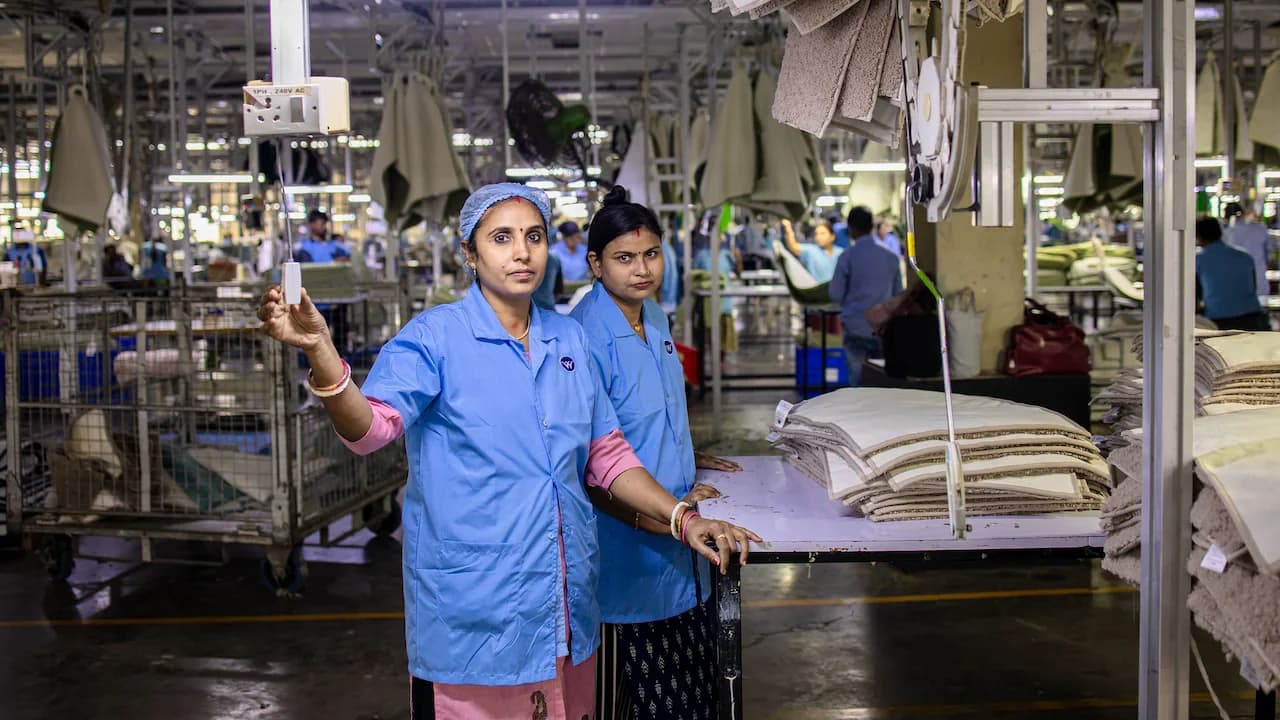
According to a UN Women report released on Friday, over 1 million women have lost access to critical support in crisis-hit regions since January 2025. The report, titled 'Beyond the Breaking Point,' is based on responses from 855 women-led and women's rights organisations across 52 countries affected by crises and conflict. As reported by UN Women, 84% of the organisations surveyed reported that demand for their services had increased sharply, but nine in 10 cannot meet the current level of need. The funding crisis has been so severe that two in five organisations surveyed expect to shut down, temporarily or permanently, within the next year. The warning comes as around 120 million women and girls worldwide now require humanitarian assistance and protection, yet local women's organizations best placed to reach them are facing severe funding shortages.
The funding crunch has been triggered by the steepest decline in official development assistance (ODA) — a form of public aid provided by 33 member countries of the Development Assistance Committee (DAC). According to ODA data, the top five DAC members — Germany, the UK, the US, France, and Japan — accounted for 95.7% of the total decline in funding. The contribution by the US alone fell 56.9% compared with 2024, marking the largest reduction ever recorded by any provider. Of the 33 contributors, only seven increased their share over 2024, and only four countries met the UN standard of contributing at least 0.7% of gross national income.
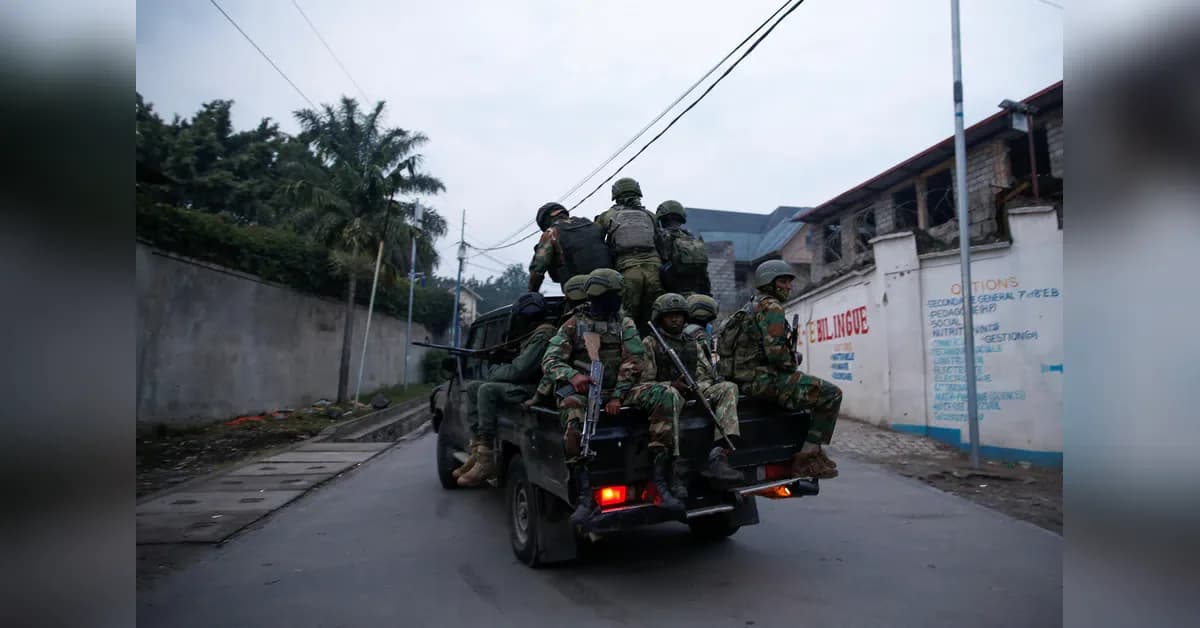
The current levels of high aid demand and low supply have forced aid groups to pay through their own resources to keep services afloat. According to the report, staff at 65% of the organisations are now working without pay, with nearly two-thirds reporting staff working without pay to maintain essential services. Most staff are themselves affected by crises, and the funding crunch has taken a toll on their overall physical and mental health, with 88% reporting worsening mental health among the women and girls they support. The organisations facing the greatest risk of closure are those operating in areas from which global attention has moved on, including Afghanistan, the Democratic Republic of the Congo, and Haiti.
Half of the organisations reported turning away women in need due to severe resource shortages, with 92% reporting growing poverty among the women they serve and 82% seeing more girls leave school. The crisis has also significantly impacted safety and support services, with 86% of organisations reporting a rise in gender-based violence and 62% saying that the number of safe spaces has declined significantly in 2025. Cases of sexual violence have spiked in these areas, highlighting the devastating consequences of reduced support. Behind the statistics are women arriving at shelters that have closed, pregnant women forced to travel for hours to access healthcare, and mothers unable to secure food for their children.
The crisis has extended beyond humanitarian assistance to affect women's leadership and decision-making roles. According to UN Women, more than half of those surveyed report declining involvement of women in local leadership roles. UN Women Chief of Humanitarian Action Sofia Calltorp emphasized that 'Every dollar withdrawn from women's organizations is a dollar withdrawn from survivors of conflict-related sexual violence, displaced mothers, girls forced from school, and communities struggling to survive'. The report warns that without immediate action, the organizations that have kept women and girls alive through the world's worst crises risk becoming another casualty of war.