A new UN report reveals that gender equality would take 171 years to achieve at the current rate of progress, with not a single indicator on the Sustainable Development Goal for gender equality (SDG 5) on track to be met by 2030. The Gender Snapshot 2026 finds that not a single country has achieved full legal equality, and 51% of the 131 countries studied still have significant legal gaps. The report highlights that nearly one in five girls is married before the age of 18, and an estimated 230 million women and girls worldwide are survivors of female genital mutilation. Nearly one in three women globally have survived partner or sexual violence in their lifetime, with 316 million women experiencing physical or sexual violence by an intimate partner in the past 12 months alone. As per the UN report, this imbalance seriously undermines democracy as a country cannot fully uphold human rights or democratic principles while half its population lacks an equal voice in leadership and decision-making.
The UN report reveals persistent barriers to women's political and economic participation. Six in seven countries are currently led by men, with the cost of running for office often exceeding 100 times a country's average per capita income. In some countries, up to eight in 10 women running for office face violence in public life. Even when women do enter government, they are disproportionately steered away from portfolios holding the highest security and economic power. Close to nine in 10 defence ministers and more than eight in 10 finance ministers are men. Beyond government, women make up only 6% of CEOs globally and lead fewer than 20% of the highest courts, leaving decisions shaping business, law, employment, and the global economy overwhelmingly in men's hands. According to the UN report, this persistent concentration of political power among men undermines the 2030 Agenda's promise of equal power for all.
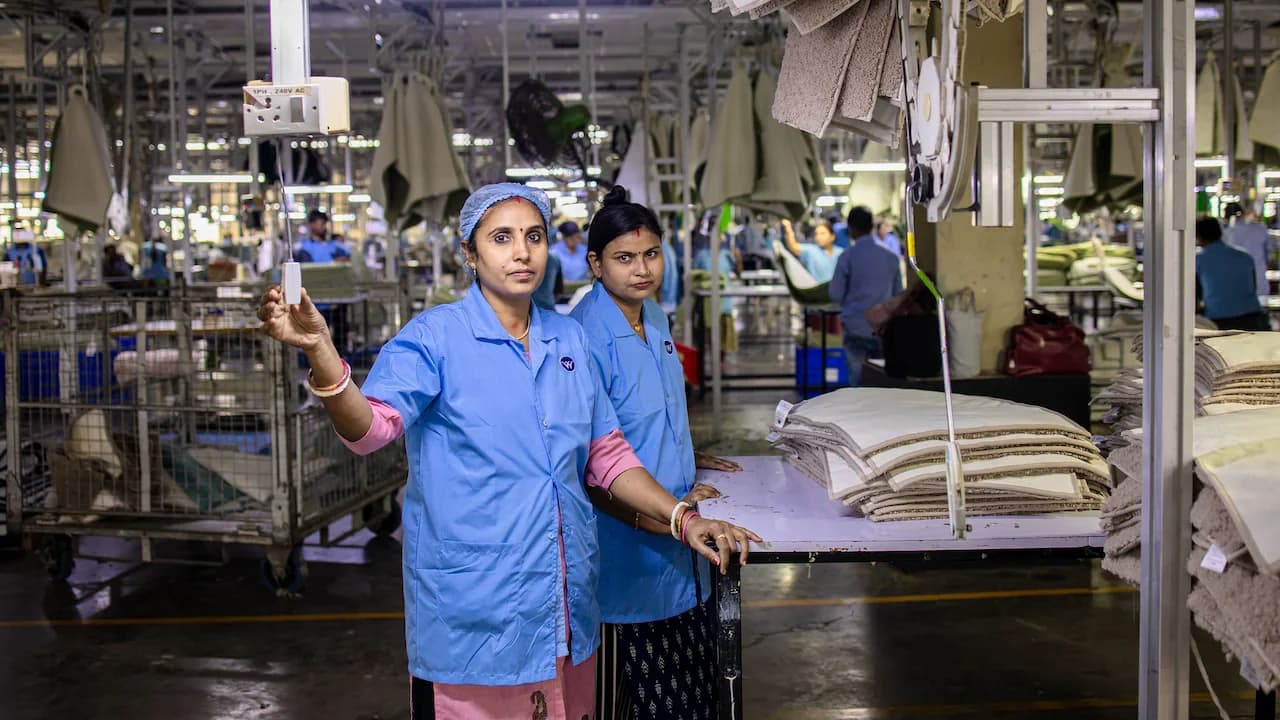
The report reveals significant gaps in legal protections for women's land rights and property ownership. Nearly two-thirds of countries provide no or little legal protection for women's land rights, creating substantial barriers to land ownership and secure tenure. Fewer than 30% of nations studied ensure joint land registration or women's participation in land governance. This legal framework seriously undermines women's economic independence and ability to secure property rights, particularly in rural areas where land ownership is crucial for livelihoods.
Amid the global crisis, funding for gender equality initiatives has been severely reduced. Amid broadening cuts to development aid, programmes addressing gender inequality are amongst the hardest hit, with such funding falling to its lowest level since 2021. One in four institutional mechanisms for gender equality have seen their operating budgets cut over the past two years, and one in three have had their institutional power eroded over the same period. 42% of UN entities report a weakening of their gender equality efforts as funding constraints force institutions to prioritize other areas. As per the UN report, solving these issues has been removed from priority agendas, with the report stating that investing in gender equality, institutions, and the statistical systems that hold them to account is not a cost. It is the fastest route back to the 2030 Agenda's promise of equal power for all.