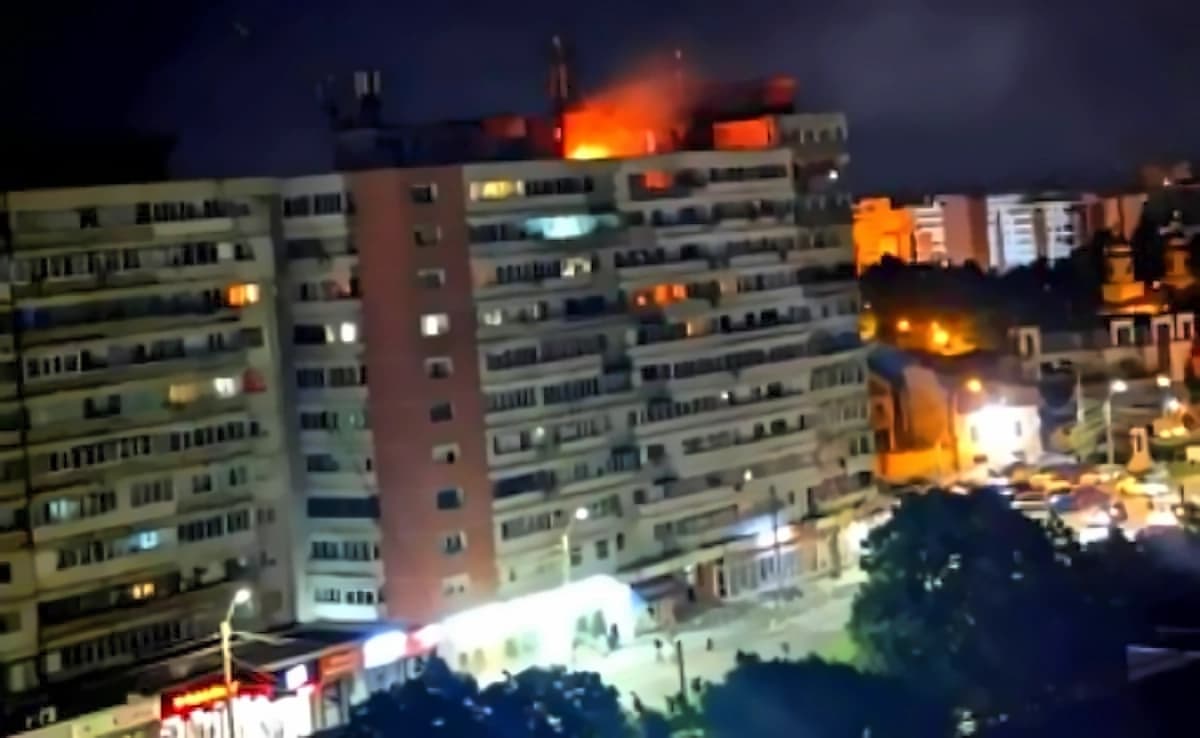
Ukraine launched a heavy overnight drone attack on a Russian chemical plant in the Tula region, marking the second strike on the same facility within two weeks. According to reports from Reuters, regional governor Dmitry Milyayev confirmed that an industrial facility in Novomoskovsk, located 200 km south of Moscow, had been damaged in the latest assault. The facility has been identified as the Azot plant, which Ukrainian President Volodymyr Zelenskiy has described as critical to Russia's production of explosives. Multiple news reports confirm the facility as Russia's largest producer of ammonia and nitrogen fertilisers, which was previously hit on June 14, as reported by Reuters.
The Azot plant was previously hit on June 14, as reported by Reuters, with President Zelenskiy confirming this timeline. Ukraine has intensified drone strikes deep inside Russia this year as part of a strategy to inflict economic pain and undermine Moscow's ability to sustain the war. The attacks have targeted multiple critical infrastructure sectors, including oil refineries, terminals, ports, and industrial facilities. In some cases, Ukraine has launched repeat attacks on the same site within a few days or weeks, disrupting efforts to repair damage and restart operations at critical infrastructure facilities.

According to reports from Reuters, one woman was injured in the latest attack, while electricity lines in the Tula region were also damaged. Governor Milyayev confirmed the civilian casualty and infrastructure damage in his statement. The latest attack has caused several explosions in occupied Crimea on Friday night, as reported by Russian Telegram media channels. Locals in the Tula region have complained about the strange smell of ammonia in the air and problems with electricity following the attack. The Russian Defence Ministry reported that 660 drones were destroyed over 12 Russian regions and Crimea during the operation, with Reuters confirming this was the highest quantity of drones fired by Ukraine this year.
As reported by Reuters, State news agency TASS stated that the quantity of drones fired by Ukraine was the highest this year. The Russian Defence Ministry confirmed the scale of the attack, with 660 drones destroyed across multiple regions. In some cases, Ukraine has launched repeat attacks on the same site within a few days or weeks, disrupting efforts to repair damage and restart operations at critical infrastructure facilities. The latest assault represents part of a massive wave of overnight drone attacks that have become a significant escalation in Ukraine's strategy to target Russia's industrial capabilities. At the NATO summit in Turkey in July, alliance member states plan to announce new defense contracts worth billions of dollars and a significant expansion of military production.