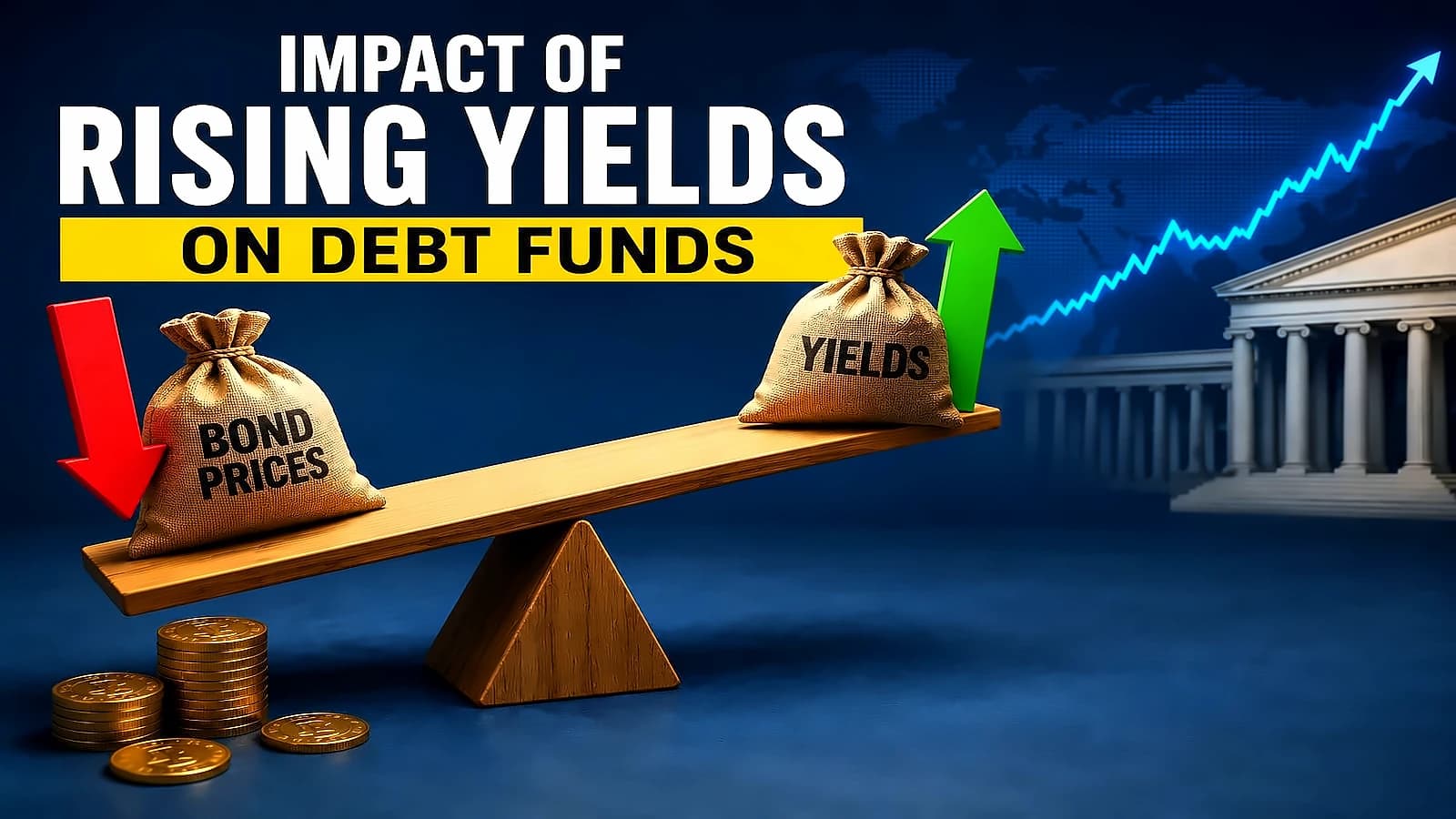
The global bond selloff has intensified with US 10-year Treasury yields rising to 4.77% on Tuesday, down slightly from the previous session's high of 4.798%, which marked the highest level since January 14, 2025. According to The Economic Times, the 10-year yield is on track for a fifth straight session of gains, its longest run since March. The two-year Treasury yield rose 2.1 basis points to 4.371% after hitting 4.377%, its highest level since February 12, 2025. The S&P 500 fell 0.7% Tuesday, with the Dow Jones Industrial Average declining 299 points (0.6%) as of 9:33 a.m. Eastern time, while the Nasdaq composite fell 1.4%. As reported by The Economic Times, futures for the S&P 500 index fell 0.6%, while the Dow Jones Industrial Average declined 0.8% and Nasdaq futures tumbled 1%. The heavy sell-off in US government bonds is gaining momentum with anxiety about persistent inflation driving prices lower, with September off to a tepid start after Wall Street closed out August on a downbeat note.
Economic data released Tuesday provided mixed signals for market sentiment, with the Institute for Supply Management's manufacturing PMI falling to 54.6 in August from 55.6 in July, which was the highest reading since May 2022. According to The Economic Times, economists polled by Reuters had projected it would dip to 55.2, making the actual reading slightly weaker than expected. Separately, the Labor Department's Job Openings and Labor Turnover Survey (JOLTS) showed job openings rising by 89,000 to 7.271 million by the last day of July, below the estimate of 7.300 million in a Reuters poll. The JOLTS report marks the first in a string of readings on the labor market this week, culminating with the release on Friday of the government's monthly payrolls report, which could shape expectations for the Federal Reserve's monetary policy.
Rising oil prices continue to drive global bond yields higher as crude prices were up about 2% as the renewed fighting in the Middle East stoked supply concerns. According to The Economic Times, U.S. President Donald Trump threatened additional strikes against Iran on Monday in the wake of the first volley of direct attacks in a month, with the U.S. attacking rocket launchers on an Iranian island on Sunday, saying they were preparing to launch mines into the Strait of Hormuz. The national average for gasoline in August has been above $4 per gallon every day of the month for the first time ever, with August being the most expensive August at the pump on record, outpacing even the enormous supply chain crunch during the COVID-19 pandemic in 2022. Higher energy prices have fueled already elevated inflation, which remains well above the Federal Reserve's 2% target, with the government's next report on prices coming out just days before the Fed meeting that could play an outsize role in determining whether the central bank acts.
The bond selloff has been driven by a reassessment of Federal Reserve policy, with Fed Chair Kevin Warsh's speech at Jackson Hole last week leading traders to raise their bets on U.S. rate hikes this year. According to The Economic Times, Fed Governor Michael Barr said on Tuesday that if inflation does not cool quickly, it will be time for the U.S. central bank to increase rates. Expectations for a hike of at least 25 basis points from the central bank at its September 15-16 meeting stand at 66.2%, according to CME Group's FedWatch Tool, up from 39.6% a week ago. A closely watched part of the U.S. Treasury yield curve measuring the gap between yields on two- and 10-year Treasury notes was at a positive 39.7 basis points, seen as an indicator of economic expectations. The unemployment rate remains low at 4.1%, but the job market stalled unexpectedly last month as inflation continues to squeeze businesses and households, creating a tough situation for the Federal Reserve which has to balance fighting inflation with supporting full employment.
The selloff in longer-maturity bonds is particularly severe, with the 30-year U.S. bond yield shedding 0.4 basis points to 5.246% after rising to 5.288%, its highest level since August 19. As reported by The Economic Times, the 30-year yield is on track for a fifth straight session of gains, its longest run since March. The Bloomberg gauge of global debt has slipped 0.9% so far this year, following a 6.8% gain in 2025. September and October have been the worst months for the global bond index over the last decade, with the gauge losing more than 1% on average in each of the two months during the period. John Briggs, head of US rates strategy at Natixis North America, noted that "long-end yields are seen staying elevated until entitlement reform changes the deficit picture," with buybacks being "a drop in the bucket" compared to expected supply pressures. The breakeven rate on five-year U.S. Treasury Inflation-Protected Securities (TIPS) was last at 2.34% after closing at 2.33% on August 31, while the 10-year TIPS breakeven rate was last at 2.328%, indicating the market sees inflation averaging about 2.3% a year for the next decade.