Global oil prices experienced a sharp decline on Monday after US President Donald Trump indicated that fresh military strikes against Iran were highly unlikely as long as negotiations to end the conflict continue. Brent crude futures fell $5.05, or 5.2%, to $93.27 a barrel by 1427 GMT, after touching an intraday low of $93.21. US West Texas Intermediate (WTI) crude futures also declined $4.12, or 4.5%, to $86.71 a barrel. This latest decline followed a 16% fall in Brent prices last week, taking the benchmark to a two-month low of $93.22. The latest price movements reflect the market's response to Trump's comments about potential military action avoidance, with the previous session seeing Brent crude settle down 5.85% after sliding to its lowest level since August 31.
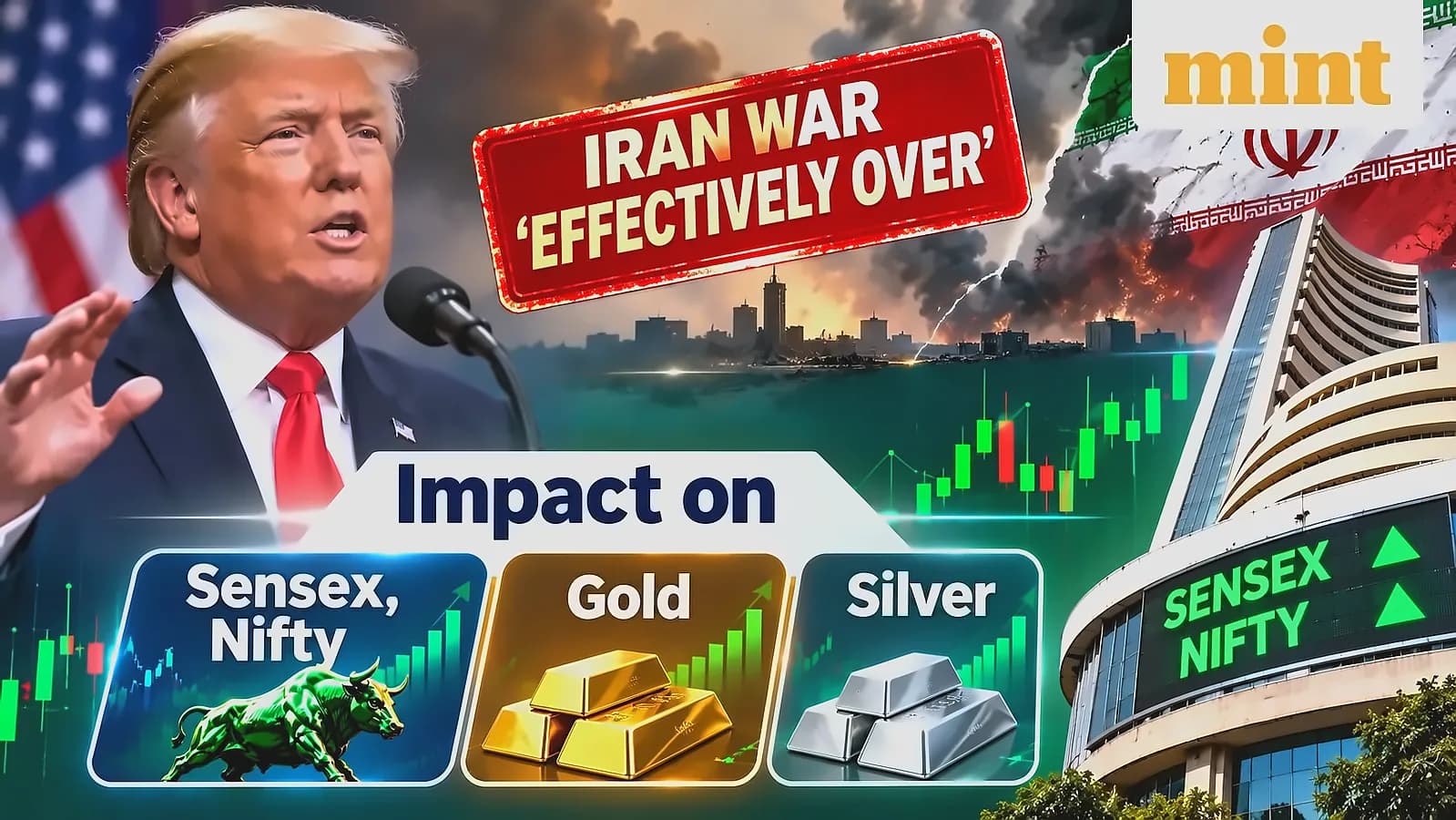
Trump's remarks that the Iran war is 'effectively over' have raised hopes of easing geopolitical tensions in the Middle East, potentially providing relief to global financial markets. According to market experts, any signs of de-escalation between the US and Iran could be positive, particularly if they lead to a sustained decline in crude oil prices. The comments could influence investor sentiment towards riskier assets such as equities while also triggering volatility in traditional safe-haven investments such as gold and silver. Trump has now stated that the US could avoid another round of military action against Iran, only if the latter agreed to what he described as a strong deal, telling CNN during a phone interview that 'It depends on whether or not they sign a very strong agreement. The answer is, highly unlikely it's going to be necessary.'
For Indian markets, any signs of de-escalation between the US and Iran could be positive, particularly if they lead to a sustained decline in crude oil prices. Lower oil prices could ease India's imported inflation concerns, support the rupee and improve the outlook for corporate earnings. According to Mahesh M Ojha, VP Research & Business Development at Kantilal Chhaganlal Securities, Trump's comments indicate that the ongoing war could be nearing an end, which may support positive sentiment in the Indian equity market in the near term. The Nifty needs to sustain above 25,150 to open the door for further upside, with immediate upside targets at 25,400, 25,600 and 25,740-plus.
Despite Trump's diplomatic overtures, security concerns continue to weigh on oil markets. Attacks on commercial vessels in and around the strategically important Strait of Hormuz continued to raise concerns over the security of global oil supplies. As per Saxo Bank analyst Ole Hansen, oil prices continued to decline on expectations of a possible US-Iran peace agreement rather than any concrete indication of diplomatic progress. The situation remains uncertain, with both Washington and Tehran reporting attacks on shipping in or near the Strait of Hormuz, one of the world's most important energy transportation routes. This ongoing security threat could limit the full impact of any diplomatic progress on oil prices.
Despite current market volatility, analysts have revised their oil price forecasts upward based on Trump's comments. The bank raised its December Brent crude forecast to $105 per barrel from $90 earlier, while its forecast for US West Texas Intermediate (WTI) crude was also increased to $94 per barrel from $81. In an upside scenario, Brent crude could reach $140 per barrel and average around $130 in 2027 if Gulf oil production remains 3.5 million barrels per day below its 2025 average, according to Goldman Sachs' projections reported by Reuters. The sustainability of any rally will depend on whether diplomatic negotiations translate into a lasting ceasefire and whether crude oil prices continue to decline, with Trump having kept the possibility of renewed military action open while Iran has disputed claims of progress in negotiations.