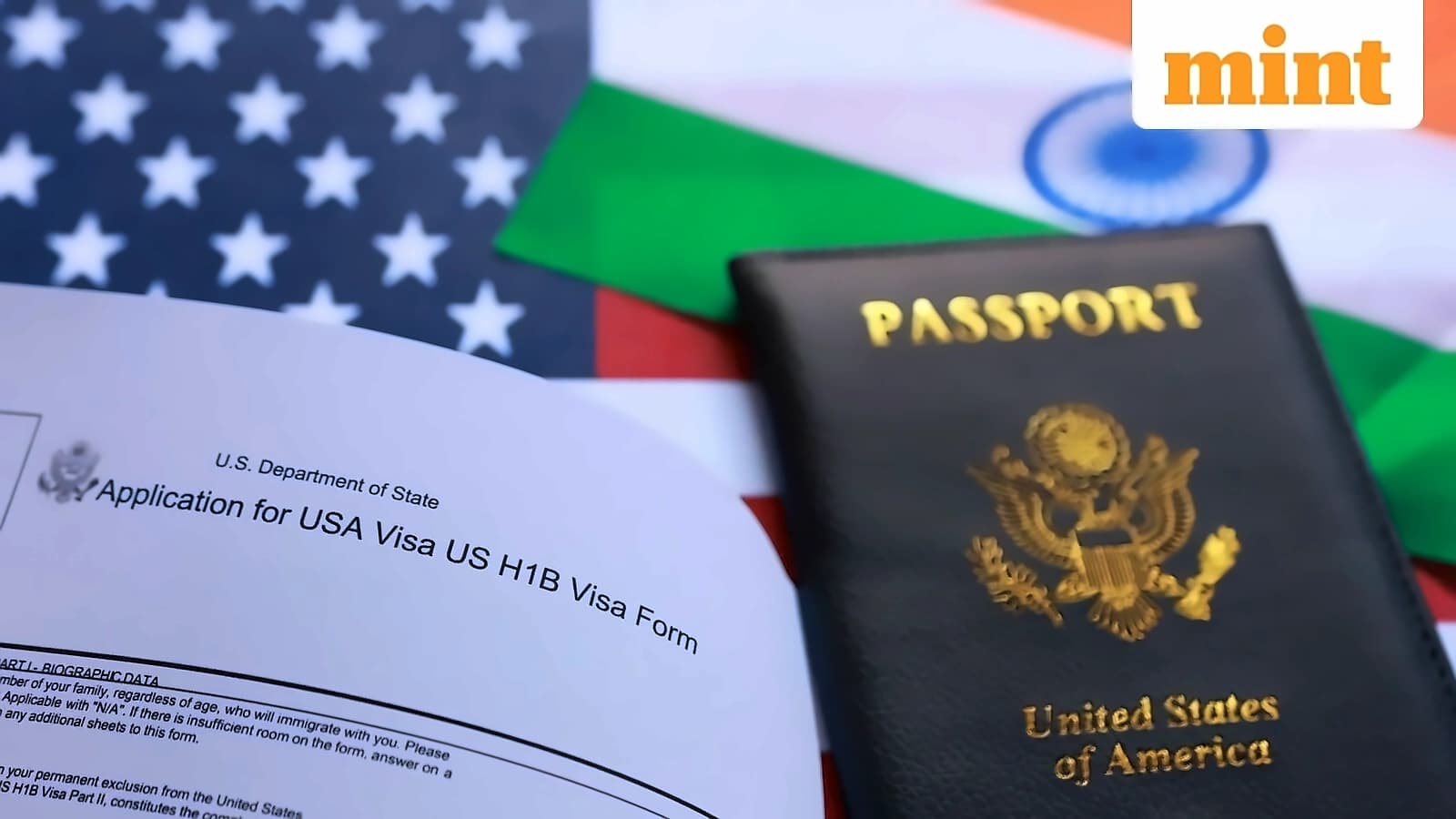
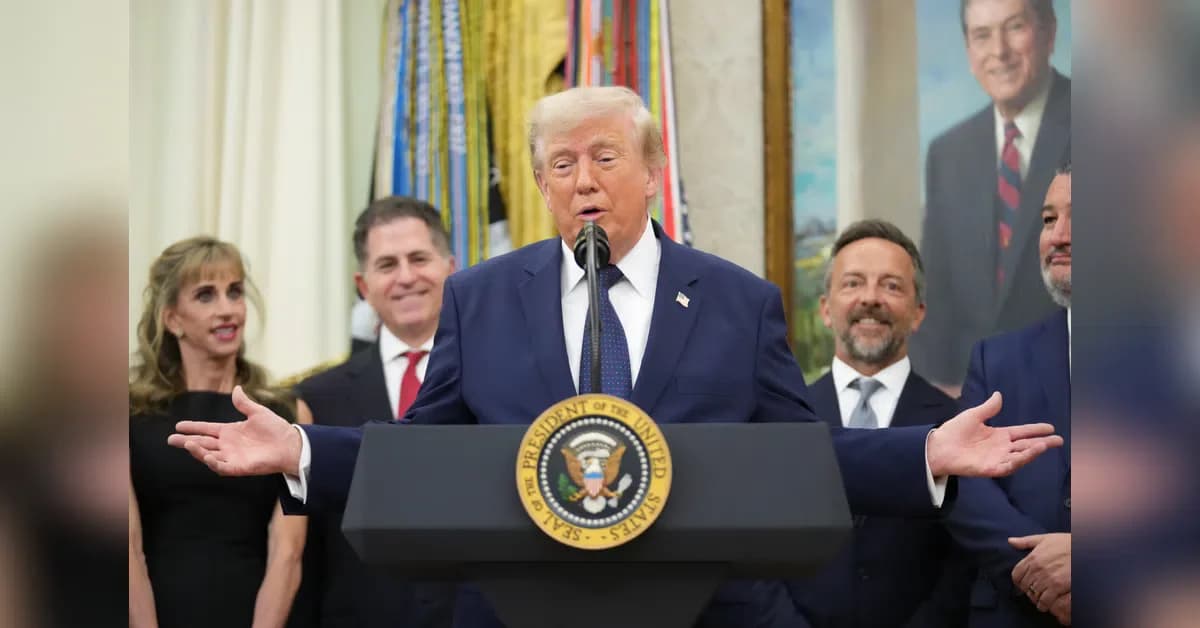
According to The Times of India, the Donald Trump administration has implemented a new requirement that most immigrants seeking green cards must leave the United States and complete the application process from overseas. While the exact number of Indians impacted remains unclear, Indian nationals are one of the largest groups waiting for green cards. A 2022 report by Cato Institute estimated that the Indian green card backlog stood at 719,737 in the previous year and suggested the waiting period could stretch up to 90 years. Applying anew from another country would create major hardships for many, especially those with families in the US and those navigating a tough, AI-disrupted, job market. It would also mean further delays in processing their applications.
As reported by The Times of India, the policy memo issued on May 22 did not clearly state whether the rule would apply only to future applicants or also affect those whose cases are already in process. According to Shilpa Malik, managing attorney at VisaNation Law Group, this ambiguity remains one of the biggest unresolved concerns for the hundreds of thousands of applicants whose cases are already pending with immigration authorities. Processing timelines for I-485 applications currently range between roughly 11 and 31.5 months for employment-based categories. The memo is silent on whether it applies to cases filed before May 21 or only to new filings, creating significant uncertainty for applicants.
According to The Times of India, the tougher immigration measures have drawn criticism from prominent technology leaders including Andrew Ng, Cofounder of Coursera, Yann LeCun, AI pioneer, and Reid Hoffman, Cofounder of LinkedIn. Andrew Ng described the policy as "a capricious attack on legal immigration," warning that it would negatively impact families, reduce the number of doctors, teachers and scientists in the United States, and weaken the country's competitiveness in artificial intelligence. Reid Hoffman also criticised the measure, calling it damaging for the technology sector, businesses, and the broader US economy. The latest measures are creating a wave of confusion among immigrants, with Boundless Immigration chief executive Xiao Wang noting that "the population that is hit the hardest is not undocumented immigrants but those who entered the US legally, on tourist visas, student visas, work visas, and who built lives there while their immigration cases were pending."
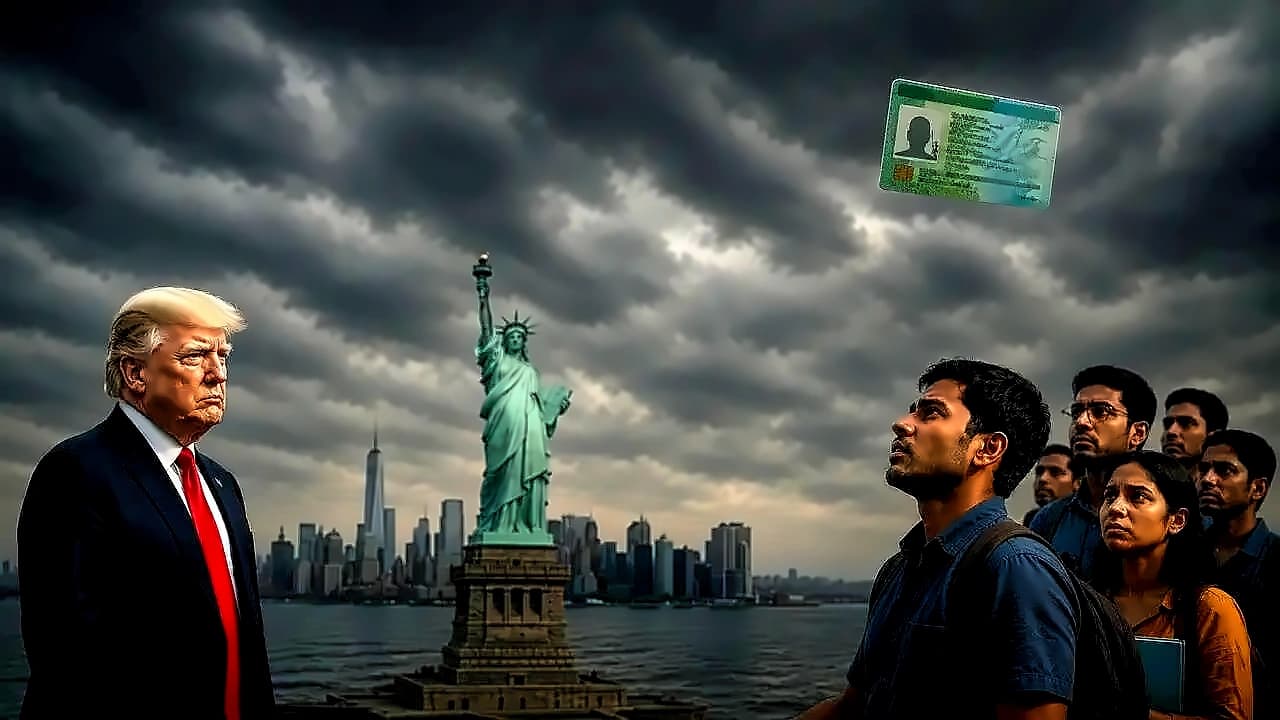
As reported by The Times of India, a spokesperson for the US Citizenship and Immigration Services stated that applicants who contribute economic value or whose applications are considered in the national interest would still be allowed to continue under the current system. Marco Rubio, currently visiting India on a four-day trip ending May 26, said the immigration measures were not specifically directed at India but were part of a broader global effort to address the migration crisis in the United States. The latest immigration measures are consistent with the Trump administration's broader scrutiny of skilled foreign workers, including the proposed $100,000 fee for new H-1B visa petitions. According to Boundless Immigration's Xiao Wang, "the US is making itself a harder sell, and the long-term talent consequences will affect the country for decades to come."