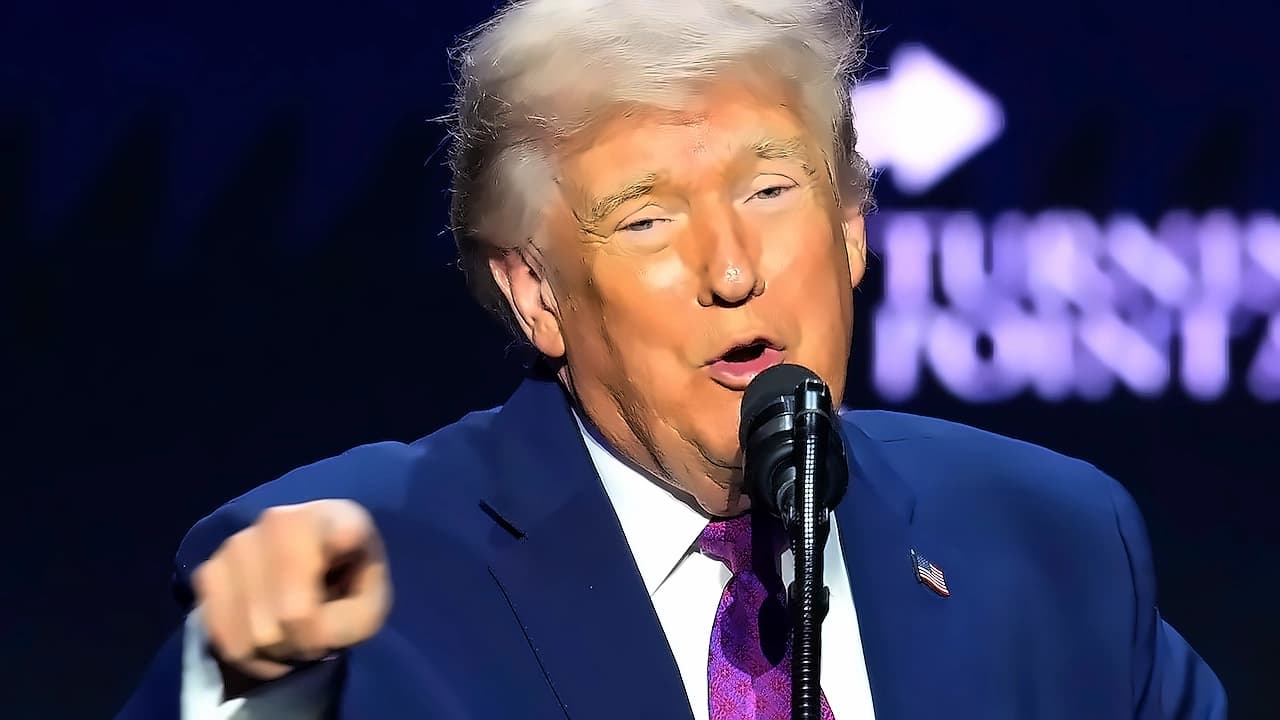
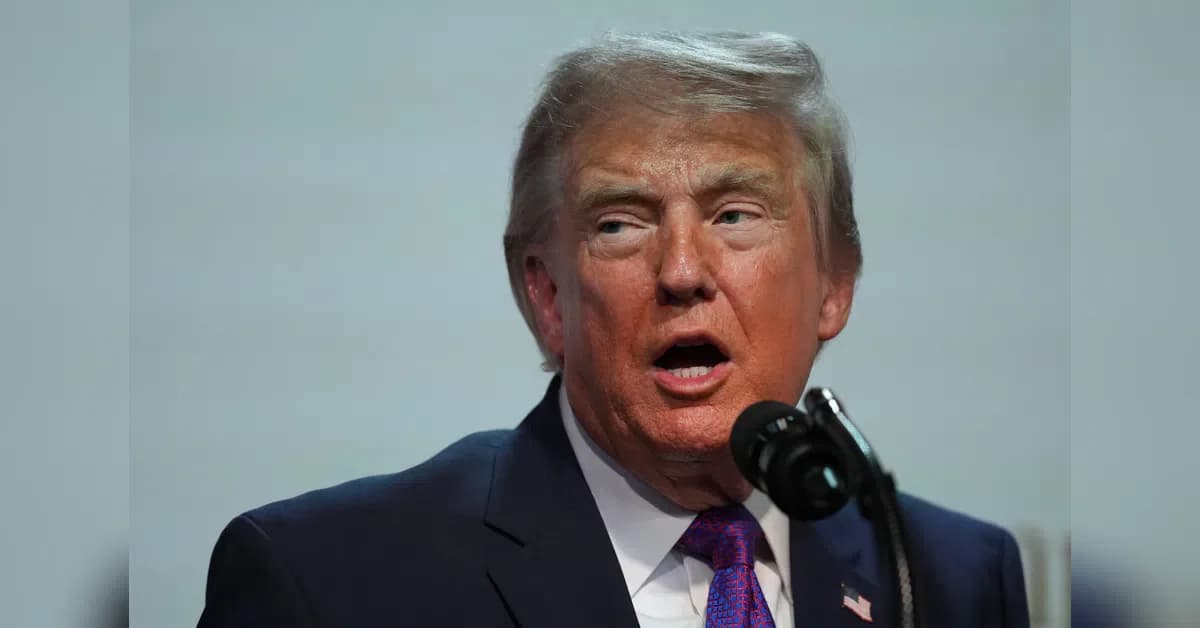
President Donald Trump has issued a mandatory directive for Qatar, Saudi Arabia, Egypt, Jordan, Turkey and Pakistan to sign the Abraham Accords immediately as negotiations with Iran continue. In his latest Truth Social post, Trump wrote: "It may be possible that one or two have a reason for not doing so, and that will be accepted, but most should be ready, willing, and able to make this Settlement with Iran a far more Historic Event than it would, otherwise, be." Trump framed the talks as a 'complex puzzle' and claimed a breakthrough was near, while also suggesting that Iran, Saudi Arabia, Qatar, Turkey and Pakistan should all eventually join the framework. In the post, Trump stated: "By copy of this TRUTH, I am asking my Representatives to begin, and successfully complete, the process of signing these Countries into the already Historic Abraham Accords." According to reports from The New York Times and The Times of Israel, Trump on Monday said that countries participating in a future regional arrangement involving Iran should also join the Abraham Accords, referring specifically to countries such as Saudi Arabia, Qatar, Egypt and Jordan while discussing the proposal.
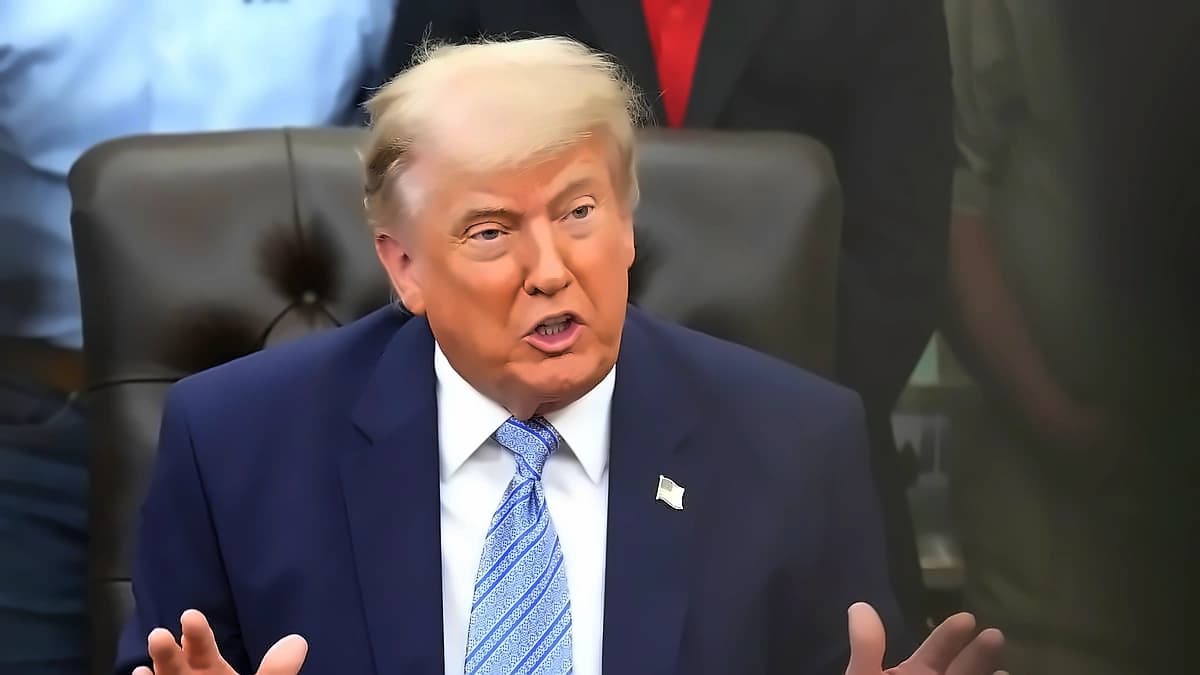
The Abraham Accords were first concluded in 2020 during Trump's presidency and involved normalisation deals between Israel and several Arab states. As reported by Goodreturns, existing signatories include the United Arab Emirates and Bahrain, while other large players, such as Saudi Arabia and Qatar, stayed out citing unresolved Palestinian grievances and wider security calculations. Trump claimed current members of the accords had seen major gains despite conflicts in West Asia, writing on Truth Social: "The Abraham Accords have proven to be, for the countries involved (UAE, Bahrain, Morocco, Sudan, and Kazakhstan), a financial, economic, and social boom, even during this time of conflict and war." Egypt and Jordan have already established relations with Israel, while Morocco and Sudan later joined the framework. The US has long viewed the accords as a cornerstone of its regional diplomacy strategy, though the accords remain difficult amid the ongoing Gaza conflict, Israel strikes on Hezbollah and broader instability across the region.
According to an Axios report, the direct demand caught several leaders off guard, especially those without official ties to Israel. The outlet reported that "the leaders, especially those of Saudi Arabia, Qatar, and Pakistan who don't have formal diplomatic relations with Israel, were surprised by Trump's request." A United States official cited by Axios said: "There was silence on the line and Trump joked and asked if they were still there." Trump explained that the idea for a coordinated signature drive surfaced during a weekend round of calls with regional figures, writing: "During my discussions on Saturday… I stated that, after all the work done by the United States to try and pull this very complex puzzle together, it should be mandatory that all of these countries, at a minimum, simultaneously, sign onto the Abraham Accords."
Trump argued that Iran could later join if a separate agreement with Washington was reached. As reported by Goodreturns, Trump wrote: "If Iran signs its Agreement with me, as President of the United States of America, it would be an honor to have them also be part of this unparalleled World Coalition." Trump suggested that an agreement with Tehran on nuclear or security issues could open the door for Iran's inclusion in the same structure, reflecting on that scenario: "Wow, now that would be something special!" Separate from Trump's initiative, reports from March outlined efforts by Saudi Arabia, Pakistan, Turkey and Egypt to build a new coordination platform focusing on defence industry projects and broader defence matters. Iranian Foreign Ministry spokesman Ismail Bagai stated that on many issues in the potential memorandum there has been agreement, but that does not mean the parties are close to signing the agreement.
Iran's top negotiator and foreign minister have been in Doha for talks with Qatar's prime minister on a potential deal with the US to end the war, after Washington and Tehran played down hopes for an imminent breakthrough. As reported by Reuters, Iranian negotiators were in Doha for discussions involving Qatar, with talks focused on a possible framework to end the conflict and reopen the Strait of Hormuz. Despite the military action, negotiations between the US and Iran appear to be continuing. According to a Reuters report, Iranian negotiators were in Doha for discussions involving Qatar, with talks focused on a possible framework to end the conflict and reopen the Strait of Hormuz. US Secretary of State Marco Rubio told reporters in New Delhi that the US would give diplomacy every chance to succeed before considering whether to deal with Iran in 'another way.'