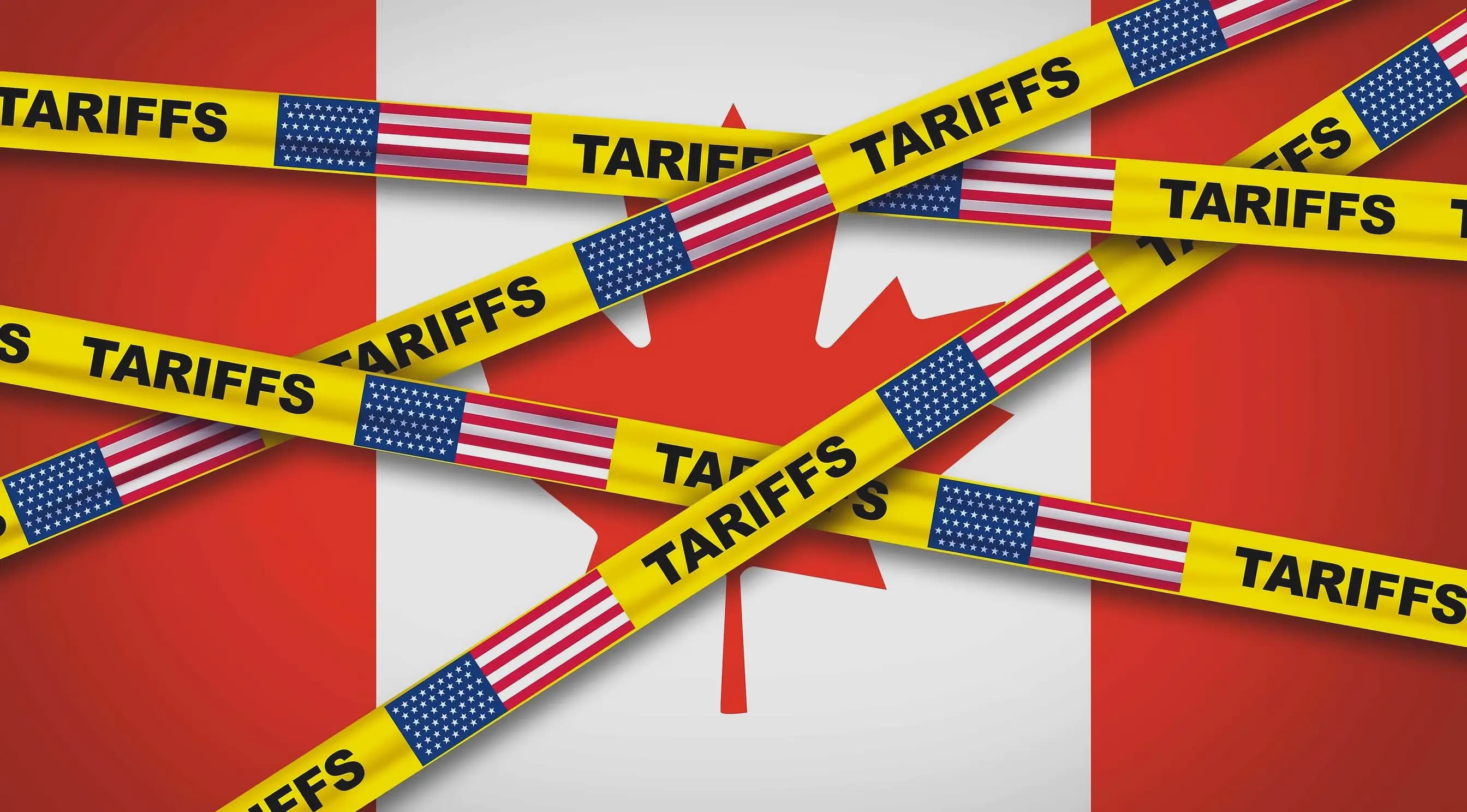
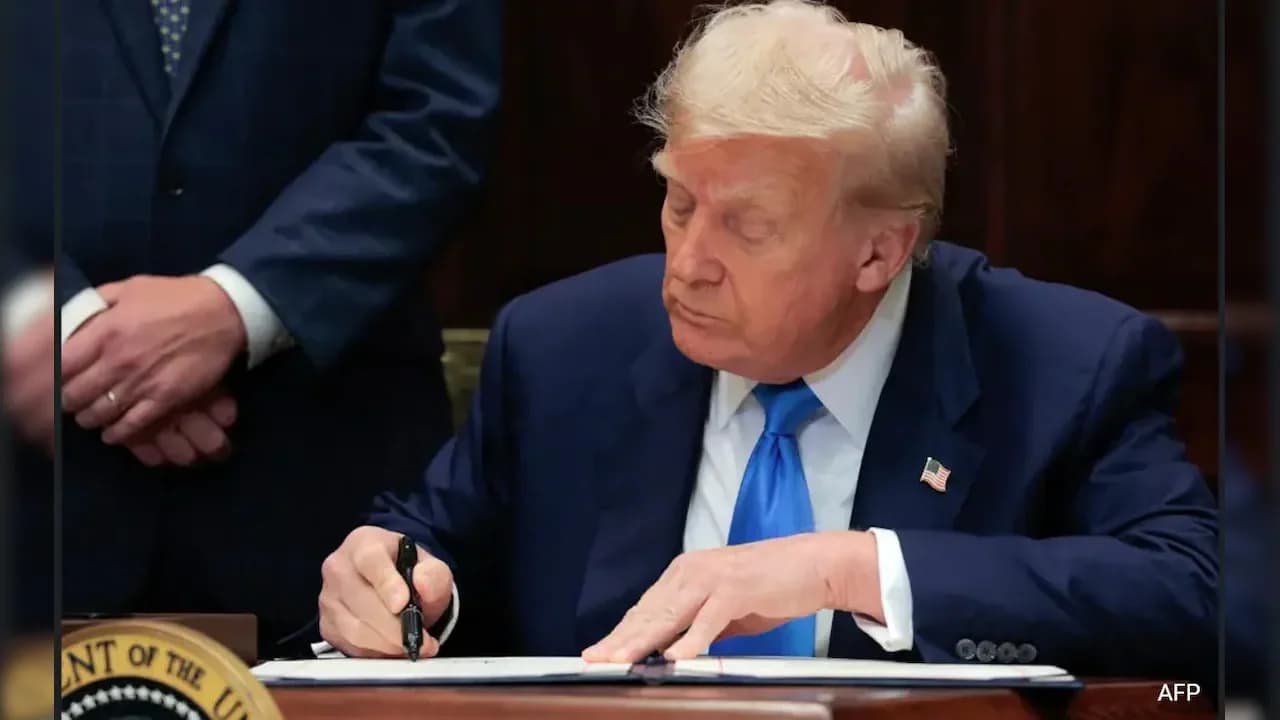
President Donald Trump unveiled 50% tariffs on a wide range of imports from Canada on Monday, marking the first known usage in nearly a century of Section 338 of the Tariff Act of 1930. The administration invoked this rarely used authority to impose punitive tariffs of up to 50% against trading partners deemed to have discriminated against US goods. As per Business Standard, the tariffs will take effect in 30 days on August 19, affecting goods ranging from wine to cement and ice hockey gear. The U.S. Trade Representative's office confirmed that the tariffs would apply to nearly $20 billion of imports from Canada, representing approximately 5.2% of the $382 billion worth of goods the US imported from Canada in 2025 according to U.S. Census Bureau data.
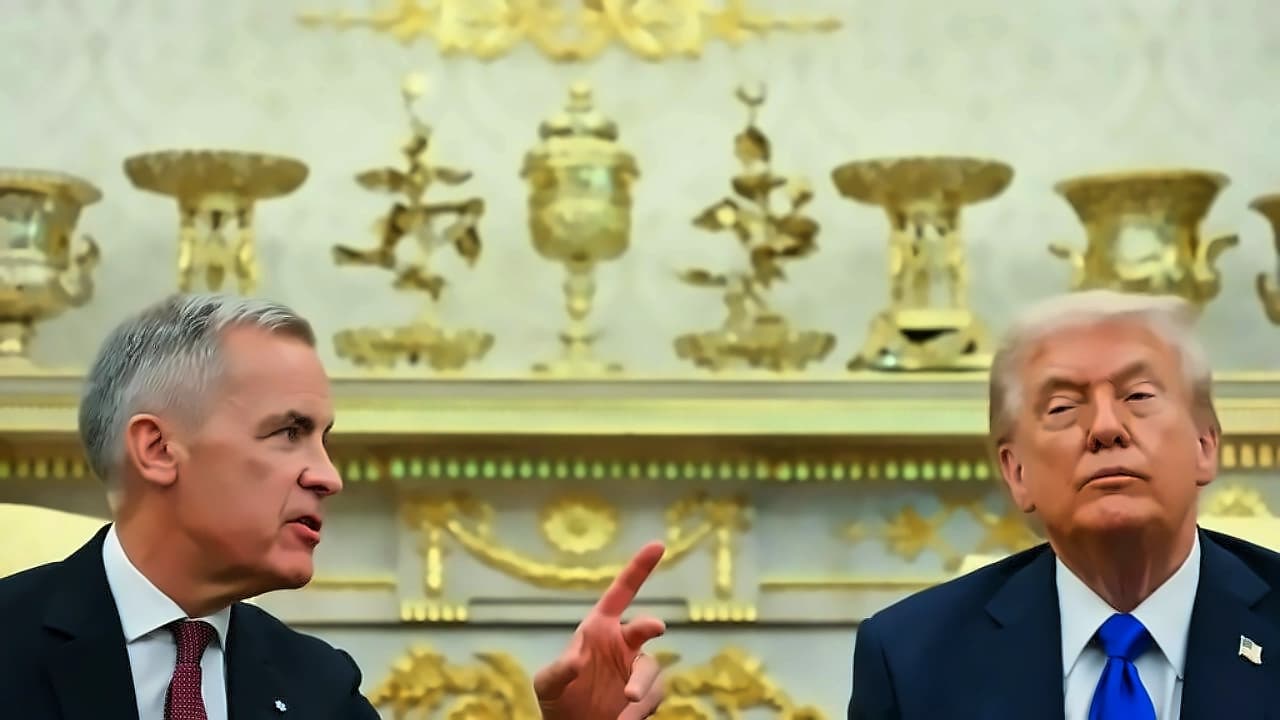
Canadian Prime Minister Mark Carney has taken a measured approach to the tariff threat, stating Thursday that Canada is intensifying negotiations with the United States to reach a comprehensive trade deal but is prepared to respond should President Donald Trump's threat of 50% tariffs on Canadian goods come into affect. Speaking after meeting with Canada's premiers and territorial leaders in Charlottown, Prince Edward Island, Carney said "We don't need to respond in advance. In fact, I think it would be counterproductive at this stage to respond in advance." He emphasized that "everything's on the table" if an agreement can't be reached before the tariffs kick in, adding "We don't need to respond in advance. In fact, I think it would be counterproductive at this stage to respond in advance." Carney believes the tariff threat could be a negotiation tactic by the US, noting "We've seen a series of trade negotiations that the US has undertaken, and normally there's a deadline. Normally there's an outsized tariff associated with that deadline."
The latest measures will affect a broad list of Canadian exports entering the United States, with wine, dairy items, hockey sticks, cement, furniture, clothing, fishing rods, swimming pools, seeds and wigs subject to the new tariffs. As per Business Standard, the administration said the tariffs would apply even to goods that qualify for preferential treatment under the United States-Mexico-Canada Agreement (USMCA). However, several key sectors have been left outside the scope of the latest action, with energy products, potash, fish, critical minerals and products already covered under existing Section 232 tariffs exempted. A senior administration official explained that each Section 338 proclamation imposes a 50% tariff on a different set of Canadian imports, covering products ranging from wine to hockey sticks to cement. According to Desjardins, one of Canada's largest financial institutions, the tariffs will impact about $28 billion Canadian ($19.8 billion) worth of annual Canadian exports to the United States, representing about 5% of what the US imports from Canada each year. The Canadian provinces most affected would be Ontario, Quebec and British Columbia.
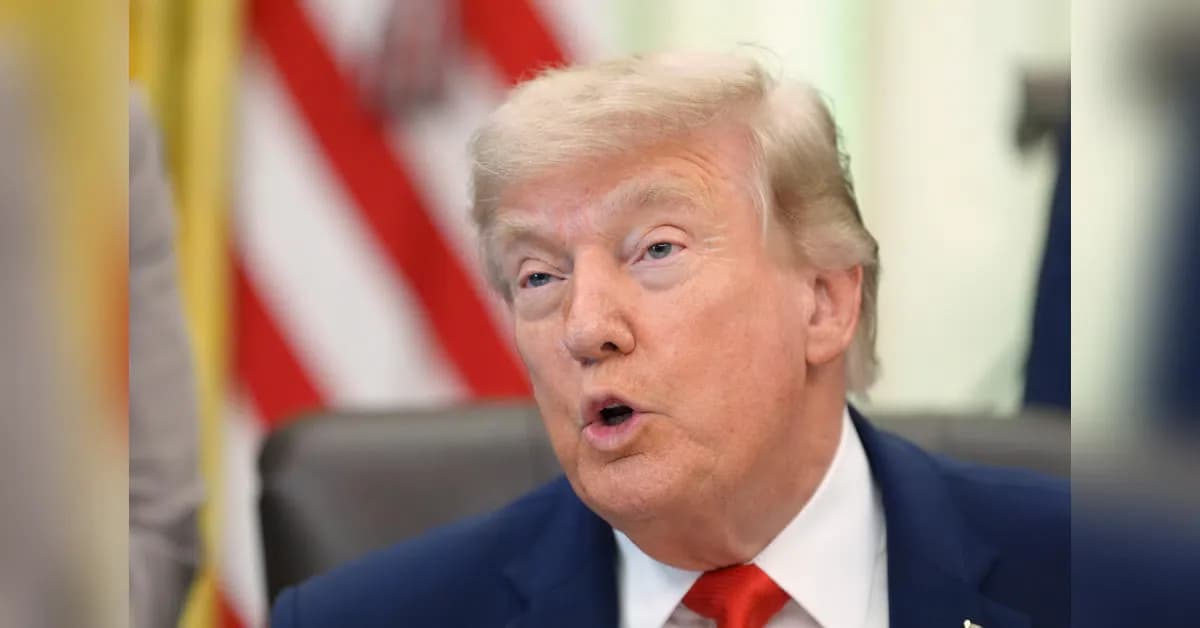
Canadian Prime Minister Mark Carney has escalated the trade dispute by declaring that US President Donald Trump's decision to impose fresh 50% tariffs on select Canadian goods is a 'direct violation' of the Canada-United States-Mexico Agreement (CUSMA). In a statement posted on X, Carney said the latest US action was part of a series of unilateral trade measures that violated the free trade agreement between Canada, the United States, and Mexico. "These include tariffs on the Canadian auto sector, in violation of CUSMA. Canada, as is its right, has merely matched those measures," Carney added, referring to earlier US tariffs on Canada's automobile sector. The Canadian Prime Minister emphasized that "In all circumstances, Canada will work relentlessly and take any measures necessary to build our strength at home and to support Canadian workers, farmers, businesses, and families."
The tariff threat has united Canadian provinces behind a "united Team Canada approach," with Prince Edward Island Premier Rob Lantz emphasizing "Canada is at its best when provinces and territories and the federal government work together." Ontario Premier Doug Ford has indicated that "Ontario has the most to lose right now" and pledged to "do everything to protect the people of Ontario," though he declined to specify whether his province would impose surcharges on exports to the US. Carney emphasized that "In all circumstances, irrespective of the outcome of these negotiations, Canada will do whatever it takes to build our strength at home and to support Canadian families, workers, our farmers, our businesses." He noted that "We're diversifying our partnerships abroad" as the country looks to build trade relationships with countries other than the US. The Prime Minister was also asked about trusting Trump, responding "I have to be convinced, the (negotiating) team has to be convinced the premiers have to be convinced that an agreement is worth the paper it's written on."
The diplomatic friction intensifies as smoke from hundreds of active Canadian blazes continues to migrate south, triggering public health alerts across several US jurisdictions. Trump and Canadian Prime Minister Mark Carney have maintained a frosty relationship, with Carney winning the premiership last year by promising to stand up for Canada. The Trump administration has announced that Trump had decided not to renew the USMCA in its current form, stating the agreement was not sufficiently beneficial to the United States. The latest trade action also follows Trump's recent criticism of Canada over wildfire smoke drifting into the United States, with the President suggesting that the economic cost of dealing with the smoke could also be reflected in future tariff measures. The tariffs will apply regardless of whether products qualify for preferential treatment under the USMCA, which was not renewed by the US earlier this month. U.S. Trade Representative Jamieson Greer has pointedly left Canada out of negotiations under way with Mexico on changes the US wants in the US-Mexico-Canada Agreement, holding bilateral talks on USMCA in Mexico City this week.