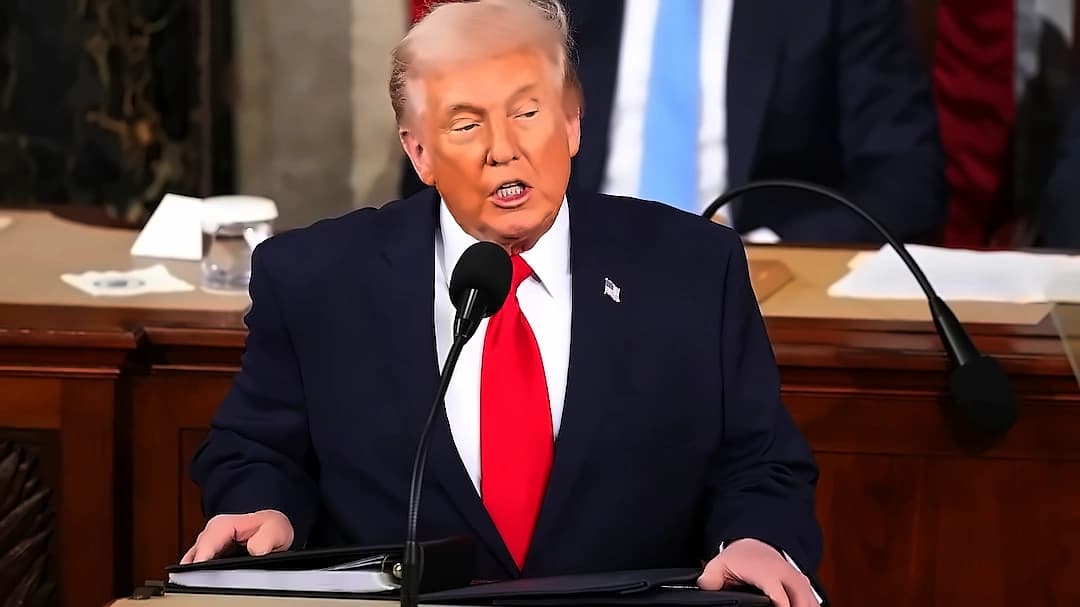
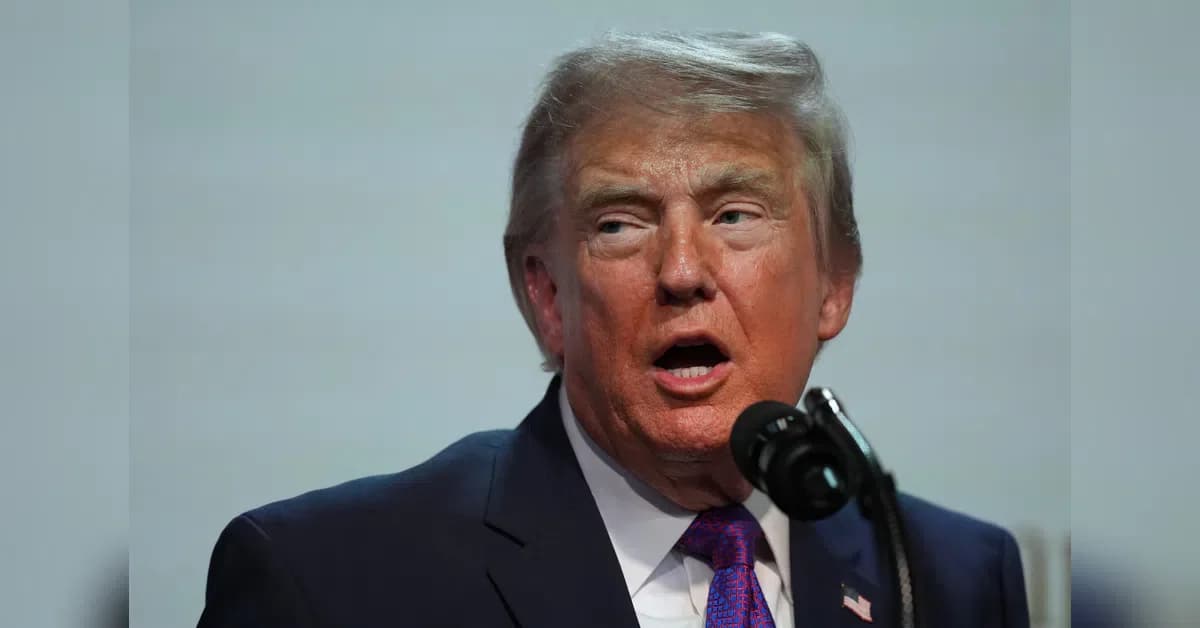
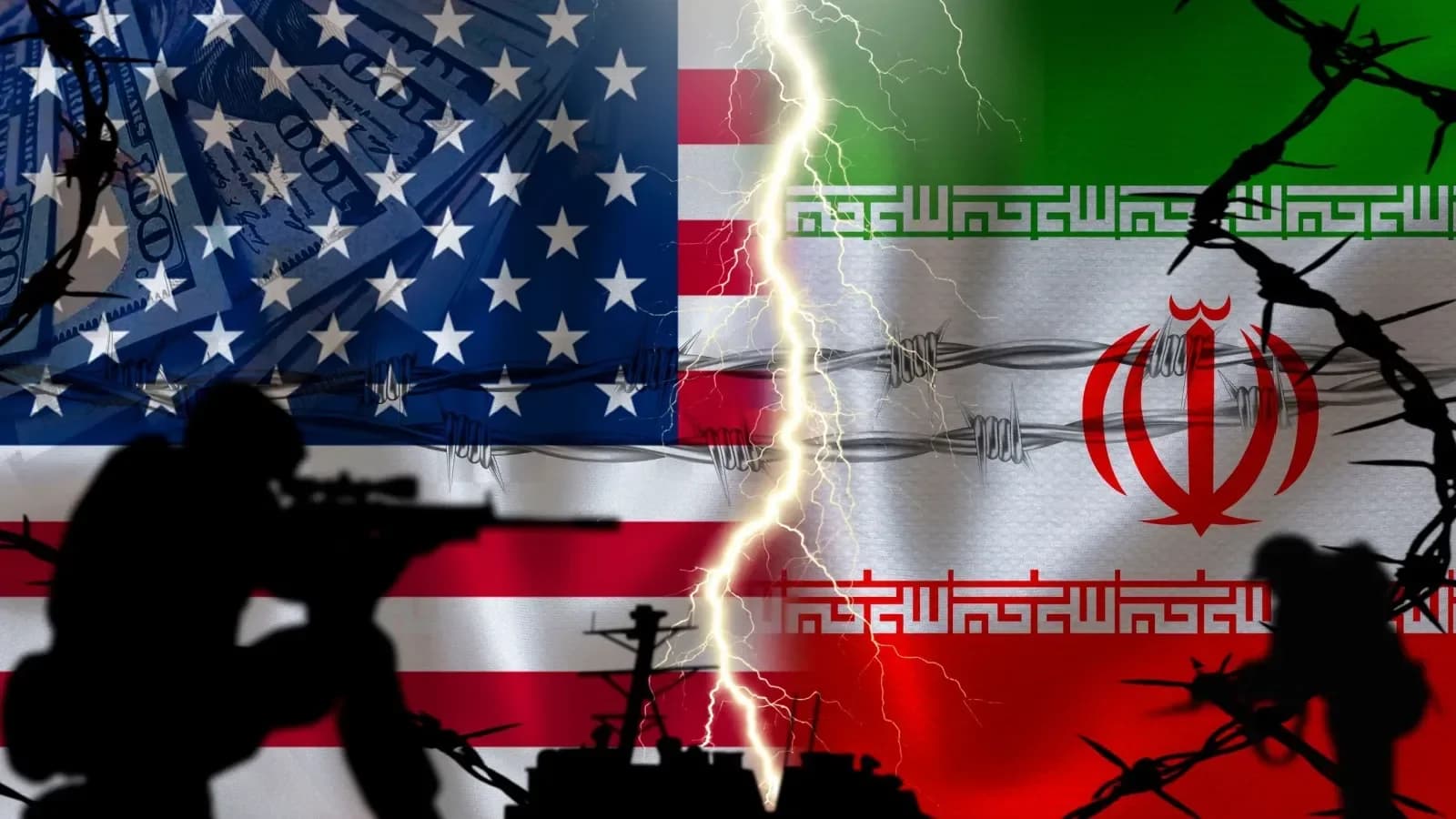
US President Donald Trump made a striking admission about his priorities during ongoing Iran negotiations, telling reporters on Tuesday that Americans' financial concerns play no role in his diplomatic approach. Speaking on the White House South Lawn before departing for China, Trump addressed questions about economic motivations, stating 'Not even a little bit' when asked how much Americans' finances motivated him. He emphasized that preventing Tehran from acquiring a nuclear weapon is his top priority, stating before departing the White House for China: 'The only thing that matters, when I'm talking about Iran, they can't have a nuclear weapon.' Trump added he does not think about 'Americans' financial situation' or 'anybody' during these talks, claiming 'every American understands' this priority. However, Vice President JD Vance has clarified the administration's position, stating 'I agree with the president that Iran should not have a nuclear weapon, but of course, the president and I, and the entire team, we care about the American people's financial situations.'
The economic toll of the Iran conflict has grown significantly since U.S. and Israeli joint strikes began in late February, with Iran blocking the Strait of Hormuz which typically transits roughly 20% of the world's daily oil supply. Gas prices have surged dramatically, with regular unleaded reaching $4.50 per gallon on Tuesday and diesel fuel standing at $5.64 per gallon according to AAA. April inflation climbed to 3.8%, its highest level in nearly three years, with the Bureau of Labor Statistics attributing over 40% of the monthly price increase to rising energy costs. Despite these challenges, U.S. stock indexes have hit record highs during the conflict, while job growth outpaced expectations last month.
Market pricing reflects the challenging diplomatic environment, with the probability of a U.S.-Iran nuclear deal by May 31 at 8.5% YES, down from 10% a day ago, while the market for obtaining Iranian enriched uranium by May 31 is priced at 6.5% YES, slightly up from 6% 24 hours ago. The current negotiations aim to achieve a phased memorandum of understanding to cease hostilities and address Iran's uranium enrichment activities. Trump's recent statements suggest a firm stance against any compromise that does not prioritize nuclear non-proliferation, with observers noting the high impact of his prioritization of nuclear concerns over economic issues. The potential for increased military activity or new sanctions could further influence market expectations as the May 31 deadline approaches.
US intelligence assessments indicate that the time Iran would need to build a nuclear weapon has not changed since last summer, when analysts estimated that a US-Israeli attack had increased the timeline to nine months to a year, according to three sources familiar with the matter as reported by Business Standard. The assessments of Tehran's nuclear program remain broadly unchanged even after two months of war. Iran denies seeking nuclear weapons and says its program is for peaceful purposes, though Western powers suspect it aims to develop the capability to build a bomb.