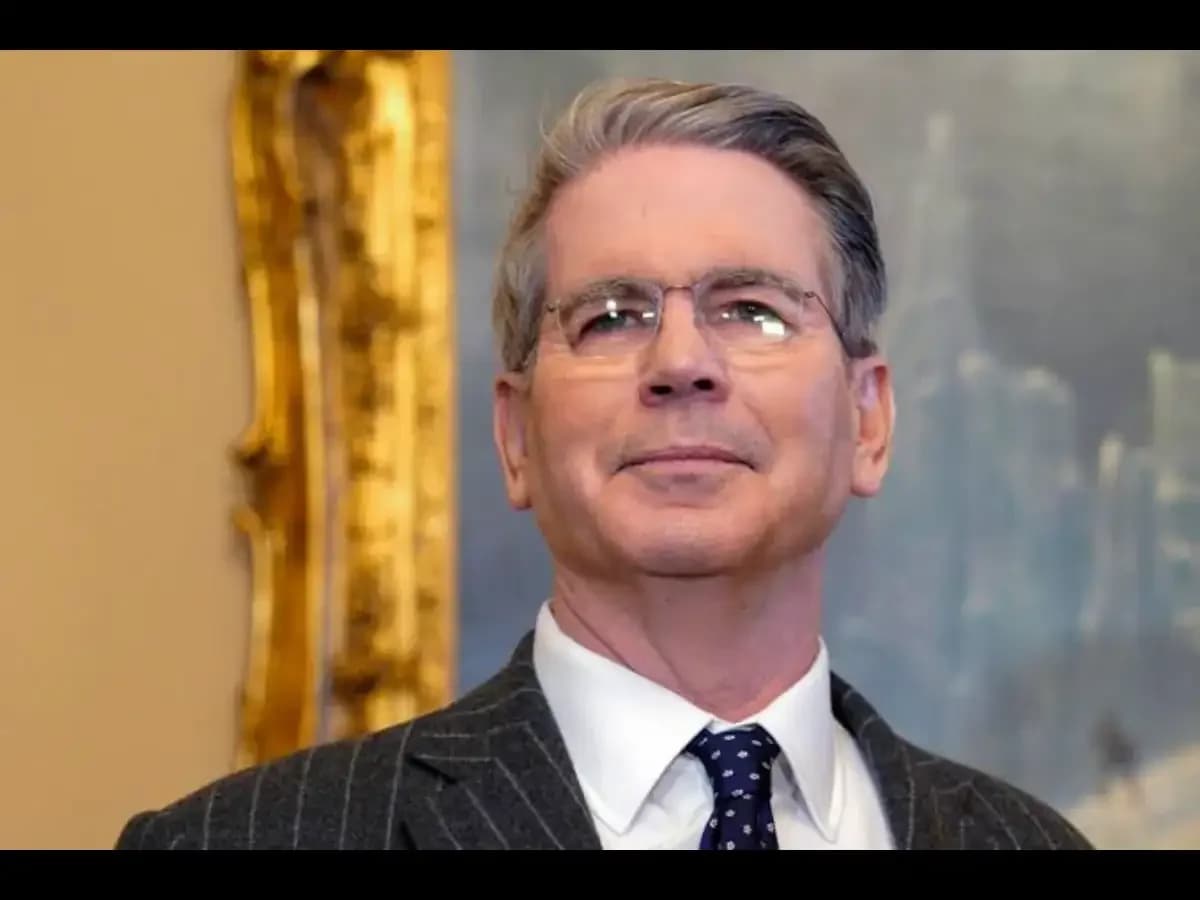
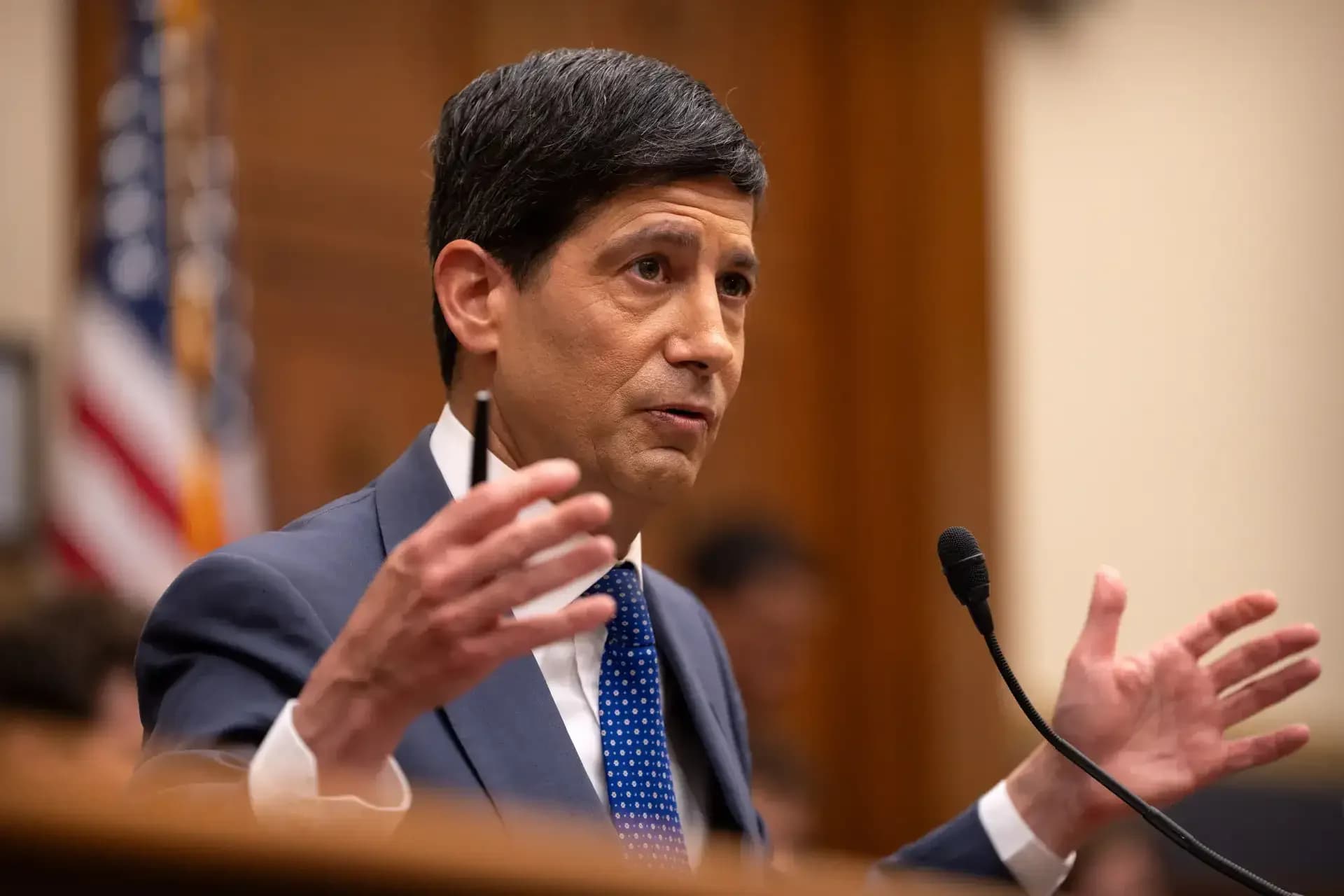
US Treasury Secretary Scott Bessent forcefully defended President Donald Trump's trading activities during a Senate hearing, stating that 'Trump not engaging in high-frequency trading' and emphasizing that the president 'clearly had an outside manager who was trading'. According to reports from The Economic Times, Bessent responded to Senator Elizabeth Warren's questioning about whether it was appropriate for a sitting president to trade stocks. When Warren pressed whether he believed such activity was acceptable for a president, Bessent responded 'You think it's okay for the president to do this? You know better'. Bessent clarified that Trump was 'not sitting in the Oval Office engaging in a high-frequency trading strategy' and that any trading activity was being managed by an outside investment manager. However, the hearing became increasingly tense as Warren pressed Bessent on specific examples of potential conflicts of interest.
Warren presented detailed examples of potential conflicts involving Trump's stock purchases and policy decisions. According to The Economic Times, Warren questioned Bessent about Trump's purchase of between $500,000 and $1 million worth of Nvidia stock one week before his administration moved to loosen export restrictions, allowing the sale of Nvidia chips to China and causing the stock price to soar. The Massachusetts Democrat also asked about Trump's purchase of tens of thousands of dollars of stock in the Bank of New York (BNY) and its partner Robinhood. Shortly after his purchase, the Treasury Department announced that the Trump accounts would be managed through, you guessed it, BNY and its partner Robinhood. Warren asked whether these stock purchases were made using inside information, to which Bessent responded 'I'm not a lawyer' and suggested investigating many people on the committee.
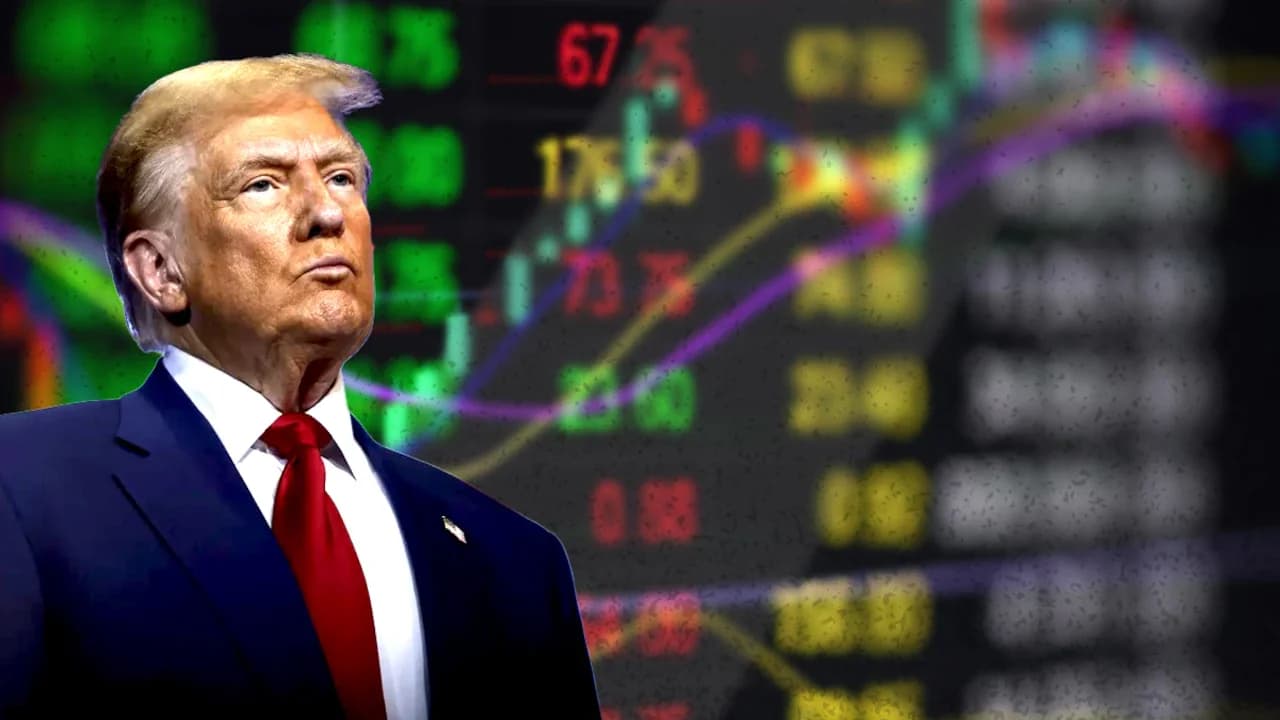
Bessent's comments suggest that any trading activities attributed to Trump were likely conducted through an external investment manager rather than by the president himself. As reported by The Economic Times, the Treasury Secretary's statement indicates that 'any transactions were likely handled by an outside investment manager' rather than Trump having direct involvement in the trading process. This structure appears to be part of a broader pattern where elected officials rely on external financial advisors for investment decisions, though Warren challenged this explanation by noting that 'the investments that President Trump has made are not blind' and suggesting that the president had signed a 113-page document listing all of his individual stock trades while simultaneously making policy decisions that affected those stocks.
The Treasury Secretary's remarks address broader concerns about market activities by elected officials, particularly lawmakers. According to The Economic Times, Bessent argued that 'Congress needs to get house in order first' when discussing trading activities. During the Senate hearing, Bessent told Warren 'Congress should get their house in order before you move to the executive branch', suggesting that elected officials should focus on their own conduct before targeting others regarding market involvement. This statement comes as questions have intensified around market activities by elected officials across both branches of government, with Warren emphasizing the need for 'leadership by example' in addressing potential conflicts of interest.
The debate over Trump's trading activities has intensified amid broader political criticism of the administration's policies. House Democrats have accused Trump and his allies of profiting from policies they say disproportionately benefit wealthy Americans, according to a post on X. The caucus stated 'Donald Trump and his allies are trading stocks and making fortunes off Republicans' billionaire-first policies' and added 'And who's paying the price? The American people'. This criticism comes as scrutiny of market activities by elected officials has reached new levels, with questions about whether participants may have benefited from advance knowledge of key policy decisions, as Warren's questioning of specific cases demonstrated during the Senate Finance Committee hearing.