Recent developments show progress in US-Iran negotiations over the Strait of Hormuz, with Senator Marco Rubio confirming that the United States is making progress with Iran on these critical maritime issues. This development comes as Polymarket traders continue pricing 39% odds that the United States announces a new Iran agreement by May 31, even as Memorial Day market closures mute Wall Street reaction to the diplomatic push. The 11% probability that Iran agrees to hand over its highly enriched uranium signals far steeper doubts on the deal's most technical demand, though the latest reports suggest some momentum in the negotiations.
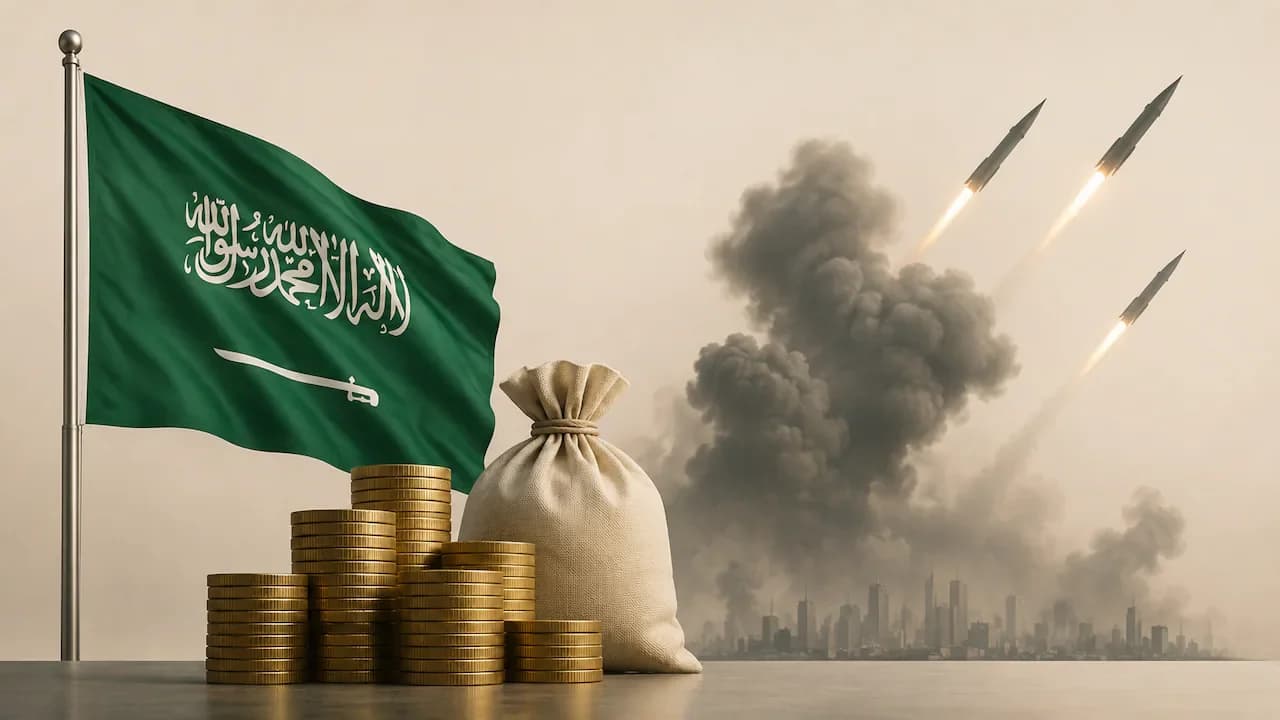
Bloomberg's analysis reveals that Saudi Arabia is accumulating wartime gains under conditions it did not create and does not control. The kingdom's Aramco posted $32.5 billion in Q1 2026 reported net income — its strongest quarter since late 2023 — while simultaneously recording a $33.5 billion budget deficit, the largest quarterly shortfall in nearly eight years. The elevated Brent crude prices, surging from $72.48 on February 28 to a wartime range of $103–$110, have bolstered Saudi revenue but cannot compensate for the volume constraints. Yanbu's crude export ceiling of 5 million barrels per day against pre-war flows of 6.7 million through Hormuz creates a significant fiscal gap that even Aramco's wartime earnings cannot close.
Trump issued a public mandate on Monday for Saudi Arabia, Qatar, Pakistan, Egypt, Turkey, and Jordan to sign the Abraham Accords as a condition tied to any final Iran settlement. In a Truth Social post, Trump wrote that it "should be mandatory" for these countries to simultaneously sign the accords, with the United Arab Emirates already a member. He floated the possibility that Iran itself could later join the framework, with Israeli Prime Minister Benjamin Netanyahu confirming coordination on a memorandum of understanding covering the Strait of Hormuz and broader Iran framework. The latest reports indicate that Trump remains cautious about finalizing any agreements amid rising tensions.
Iran's UN Ambassador Amir-Saeid Iravani formally demanded compensation from five states — Bahrain, Saudi Arabia, Qatar, UAE, and Jordan for what Tehran characterised as "participation in the U.S. and Israeli war against Iran" and violation of their obligations toward the Islamic Republic. Iran's PGSA toll regime treats Saudi territorial waters as a theatre of operations without granting Riyadh a role in the negotiations that produced it. The mine-clearance clause in the proposed ceasefire framework classifies Saudi Arabia as co-belligerent by Iran while excluding it as a negotiating party by the United States. Saudi Arabia's official posture toward its own good fortune is characterized by "private hawkishness and public restraint," with MBS allegedly making "multiple private calls to Trump" advocating military action while publicly emphasising diplomacy.
Analyst Kyle Doops noted that "Trump keeps signaling two things at once... Middle East normalization expansion… And potential progress with Iran. Markets are increasingly trying to price whether this becomes a real geopolitical reset… or just another temporary negotiation cycle." However, the framework remains contingent rather than settled, with Saudi Arabia showing no public willingness to formalize ties with Israel and an Iranian source separately denying Tehran has committed to handing over its uranium stockpile. The Bitcoin Strait of Hormuz trade thesis loses some of its acute risk premium as the framework develops, though the latest reports suggest continued caution from the Trump administration about finalizing any comprehensive agreements. Goldman Sachs projects a full-year 2026 Saudi fiscal deficit of $80 to $90 billion, making even Aramco's wartime earnings insufficient to close the gap without sustained high prices and restored export volumes.