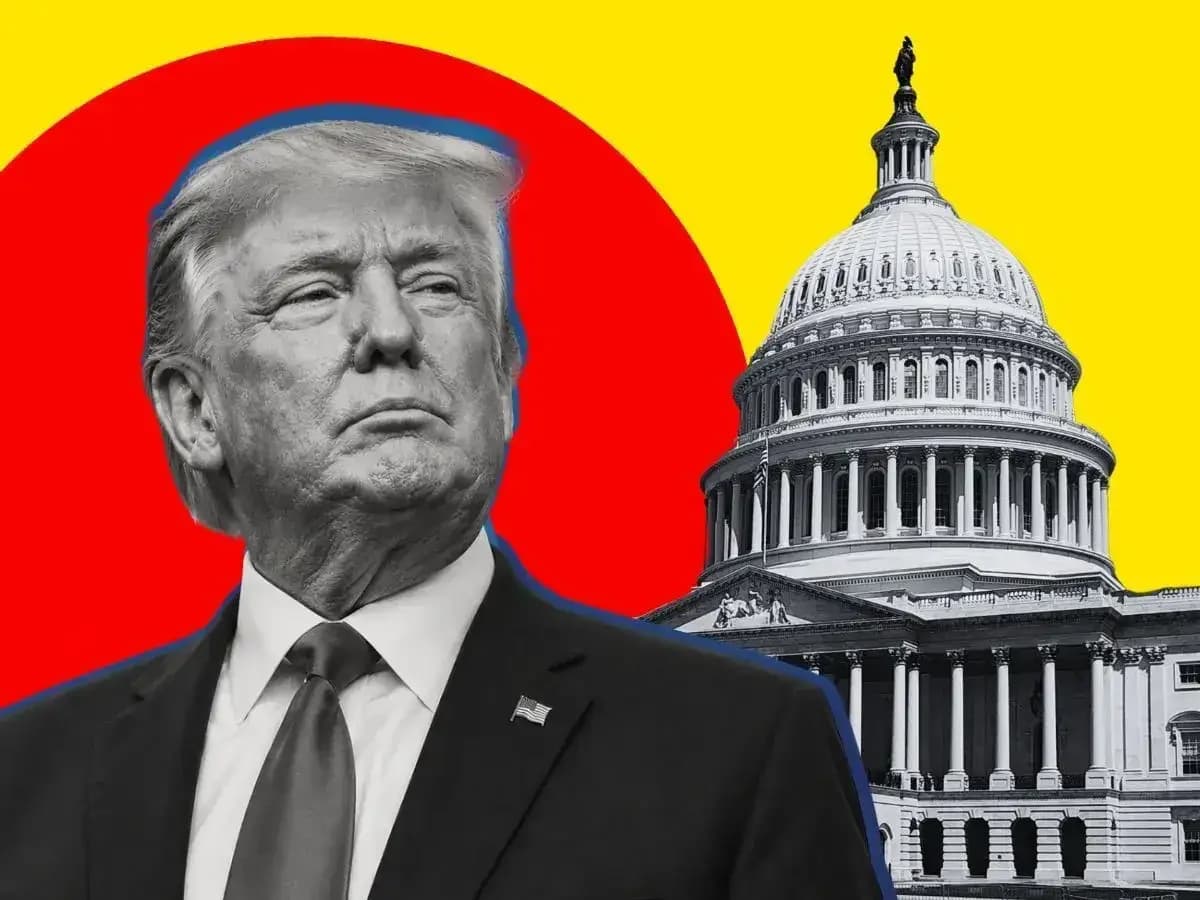
President Donald Trump made substantial stock purchases during the first quarter, with transactions totaling at least $220 million across major American companies. According to documents filed with the US Office of Government Ethics, Trump purchased up to $5 million each in companies including Nvidia Corp., Oracle Corp., Microsoft Corp., Boeing Co., and Costco Wholesale Corp. The latest disclosure, an 113-page document that became available Thursday, shows more than 3,700 transactions including 36 purchases of between $1 million and $5 million made in January, February and March. The transactions, spanning more than 100 pages, list purchases and sales in broad ranges without specifying the exact amounts for each individual trade.
Trump established new multi-million dollar positions in semiconductor leaders during the quarter, with high-profile entries in the $1 million to $5 million range including NVIDIA Corporation, Broadcom Inc., Synopsys Inc., Cadence Design Systems Inc., and Texas Instruments Incorporated. The disclosure also highlights substantial million-dollar entries into Apple Inc. and enterprise software leaders such as Oracle Corporation, ServiceNow Inc., Adobe Systems Incorporated, and Workday Inc., with these software acquisitions occurring as the sector has seen steep discounts driven by AI-related concerns and limited visibility. A distinct portion of the portfolio activity was classified as 'unsolicited', meaning the trades were initiated without formal broker recommendations, with the largest of these focused on Apple, Microsoft, and Amazon, all reaching the $1 million to $5 million threshold during March.
Trump made significant investments in companies contracted with immigration enforcement agencies, purchasing $260,000 worth of Palantir stock during the first three months of 2026. In January alone, he bought $65,000 to $150,000 of Palantir stock, followed by sales between $1.1 million and $5.3 million in February, and purchases totaling between $200,000 and $500,000 in March. Palantir struck a deal with the Department of Homeland Security to use the company's software in the president's deportation surge, while also maintaining a contract surpassing $1 billion with the Pentagon to develop AI systems for military operations. Trump also purchased $1 million to $5 million in shares of Axon, the company that makes Tasers, on February 10, with additional purchases worth between $15,000 to $50,000 on March 2.
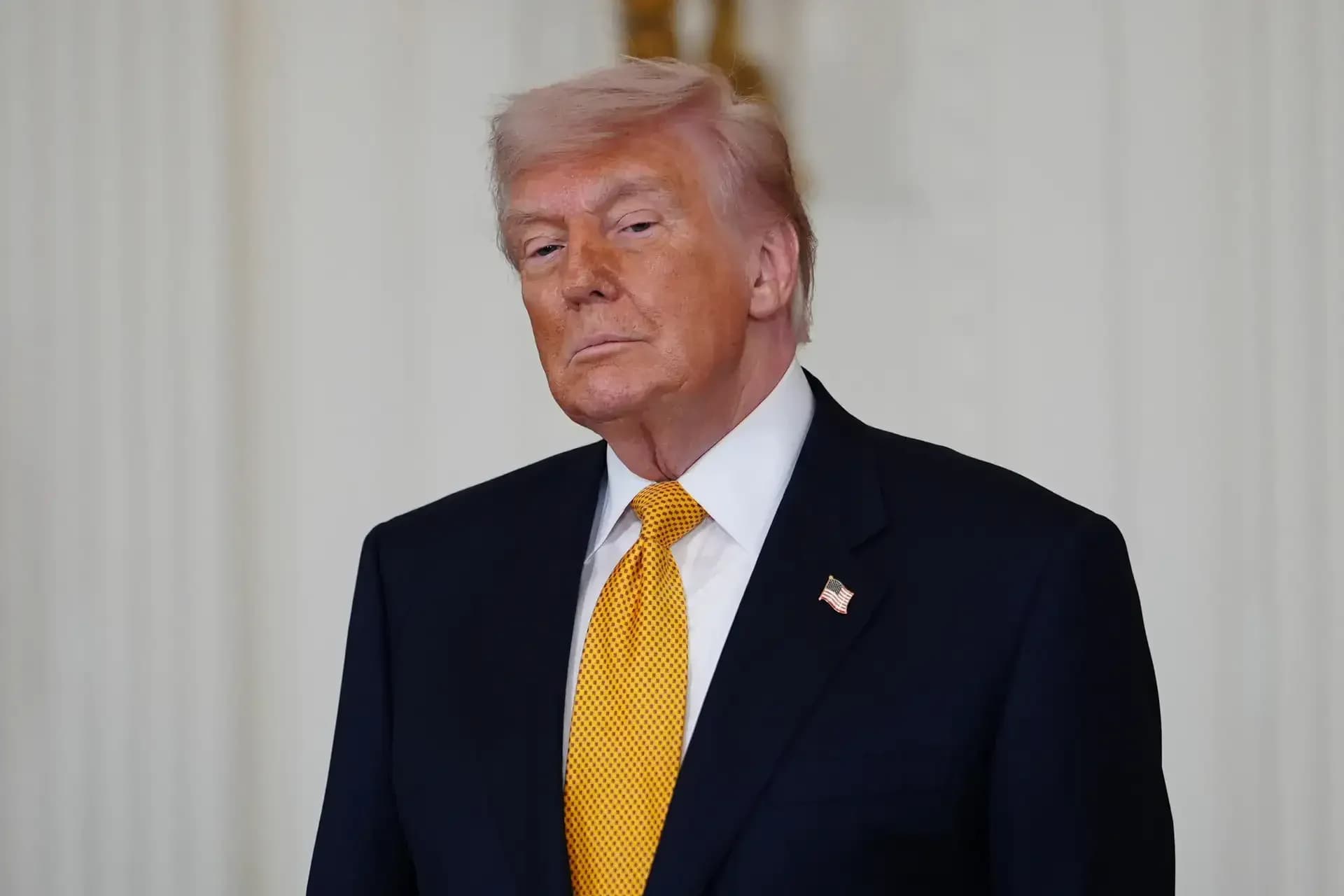
The biggest sales came on February 10, when Trump unloaded holdings in three major tech firms: Microsoft, Meta Platforms Inc., and Amazon.com Inc., in amounts between $5 million and $25 million. He also sold a stake in a Vanguard ETF in January worth at least $5 million. Despite these heavy liquidations, the filings show the President maintained active exposure by executing smaller purchases in each of these three companies throughout early 2026, with Meta Platforms securities ranging from $1,001 to $500,000 and Amazon and Microsoft buys ranging from $1,001 to $5 million. These divestitures represent significant portfolio adjustments during the quarter, as reported by the Office of Government Ethics documents.
The White House has stated that neither Trump nor his family members are making investment decisions for him, with the Trump Organization confirming that the president, his family and the organization itself don't play a role in the investments and don't receive notice of trading activity. "President Trump's investment holdings are maintained exclusively through fully discretionary accounts independently managed by third-party financial institutions with sole and exclusive authority over all investment decisions," a spokesperson said. "Trades are executed and portfolios are balanced through automated investment processes and systems administered by those institutions. Neither President Trump, his family, nor The Trump Organization plays any role in selecting, directing, or approving specific investments. They receive no advance notice of trading activity and provide no input regarding investment decisions or portfolio management of any kind." The transactions come as Trump has made policy moves that intersect with publicly traded companies, including Nvidia, whose chips critical to AI development require US government approval for foreign sales.