President Donald Trump has tempered expectations for an Iran deal, telling his negotiators not to rush the process while indicating the agreement remains largely negotiated. As reported by The Wall Street Journal, a U.S. official confirmed Sunday that there's an agreement in principle under which Iran would reopen the Strait of Hormuz, marking significant progress in negotiations. Trump posted on Truth Social that he had instructed his representatives not to rush into a deal, stating "I have informed my representatives not to rush into a deal in that time is on our side." However, Secretary of State Marco Rubio suggested a deal to end the war could materialize on Monday, telling reporters in New Delhi that "We have what I think is a pretty solid thing on the table in terms of their ability to open up the straits, get the straits open." Iran's Tasnim news agency confirmed that key clauses of a possible agreement remained "unresolved at this time," including the issue of frozen Iranian assets, while Iranian officials confirmed the existence of a draft agreement.
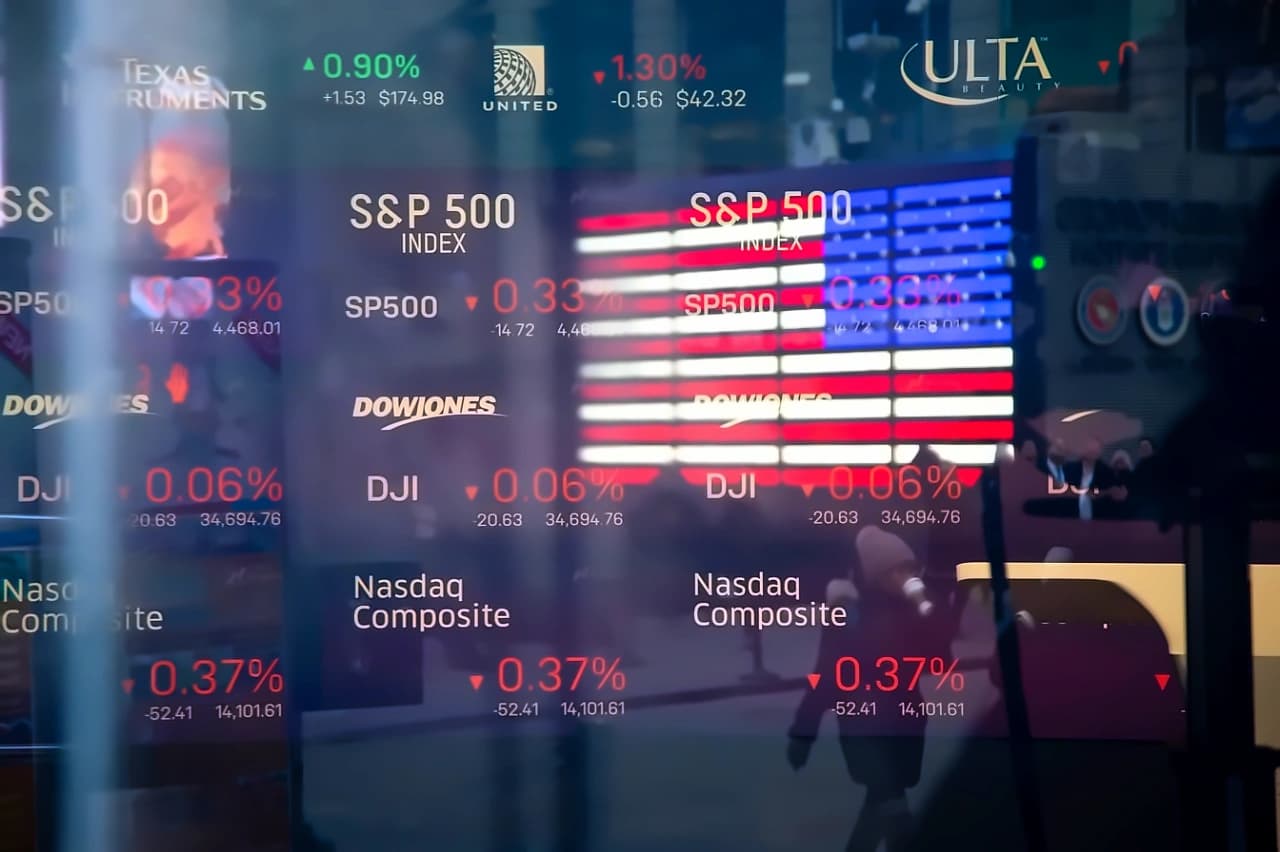
U.S. stocks rose Tuesday, catching up after a holiday, as optimism over U.S.-Iran talks lifted sentiment. The S&P 500 rose 0.6% early Tuesday after trading resumed following Monday's holiday, with the Dow Jones Industrial Average edging up 44 points and the Nasdaq composite climbing 0.9%. All three indexes are at or near their all-time highs. Oil prices climbed amid geopolitical tensions, with Brent crude prices rising 3% as investors weighed conflict risks against hopes of a diplomatic breakthrough. The U.S. stock market is rising as it catches up with others around the world that climbed the day before, when President Trump said negotiations were "proceeding nicely" with Iran on ending their war. Treasury yields moved lower in the bond market as renewed optimism around a possible US-Iran agreement boosted demand for government bonds.
Gasoline prices decreased to 3.31 USD/Gal, the lowest since April 2026, as optimism over U.S.-Iran negotiations eased concerns about deeper disruptions to global energy supplies. Gasoline futures for delivery in New York Harbor shed more than 5% to around $3.20 per gallon, marking the lowest level in over four weeks. Over the past 4 weeks, gasoline lost 1.7%, while in the last 12 months, it increased 56.68%. The decline reflects investor recognition that reduced geopolitical risk would ease shipping concerns and supply disruption fears that had previously driven prices toward $120 during the height of the Iran crisis. Seafarers said Sunday that some vessels stuck in the Persian Gulf have already begun moving toward the strait on expectation of a deal that reopens the key waterway through which one-fifth of the world's oil is typically transported.
Asian and European markets were mixed as investors weighed conflict risks against hopes of a diplomatic breakthrough. Asian equity markets advanced Monday morning amid hopes for a U.S.-Iran deal to end the conflict, with the main theme being "risk-on, building on optimism over a U.S.-Iran deal to end the war," according to Commerzbank Research analysts. Japan's Nikkei Stock Average climbed 2.9%, Singapore's FTSE Straits Times Index added 0.5%, and Australia's ASX/200 benchmark index edged 0.1% higher, while markets in Hong Kong and South Korea were closed for a public holiday. Government bonds in the region also rose in price terms, with Japan's 10-year government bonds falling 2.5 basis points to 2.735%, Australia's 10-year sovereign securities declining 4 basis points to 4.8770%, and New Zealand's 10-year government debt dropping 5 basis points to 4.6440%. However, broader market optimism remained tempered after the latest US military actions involving Iranian targets, with Asian equities pared gains on Tuesday, crude oil prices edging higher again, and the US dollar strengthening against all major Group-of-10 currencies.

Following recent developments in US-Iran diplomacy, traders have reduced expectations for near-term Fed tightening, with overnight-indexed swaps now fully pricing in the next Fed rate hike only by March 2027, compared with expectations for December 2026 at the end of last week. The spread between 30-year and five-year Treasury yields also widened after previously narrowing to its lowest level since May 2025, reflecting easing concerns over a prolonged higher-rate environment. Bloomberg strategists noted that global bond yields may have already peaked as slowing economic growth begins to outweigh the initial inflationary impact caused by disruptions in the Strait of Hormuz. He added that longer-dated government bonds, which currently offer some of the highest yields seen in nearly two decades, could be positioned for gains. US bond yields had surged earlier this month amid fears that the Iran conflict could trigger the sharpest inflation shock since 2023, with those concerns prompting traders to increase bets that the Federal Reserve under Chairman Kevin Warsh would keep interest rates elevated for a longer period.