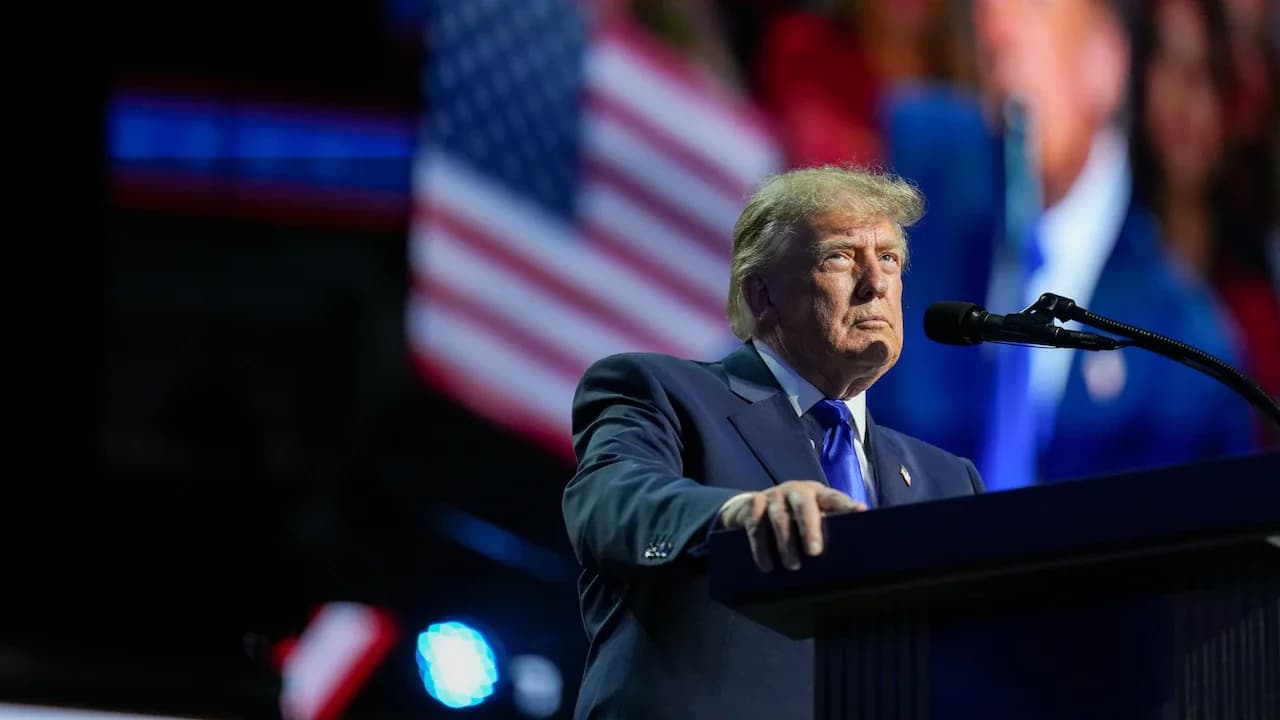
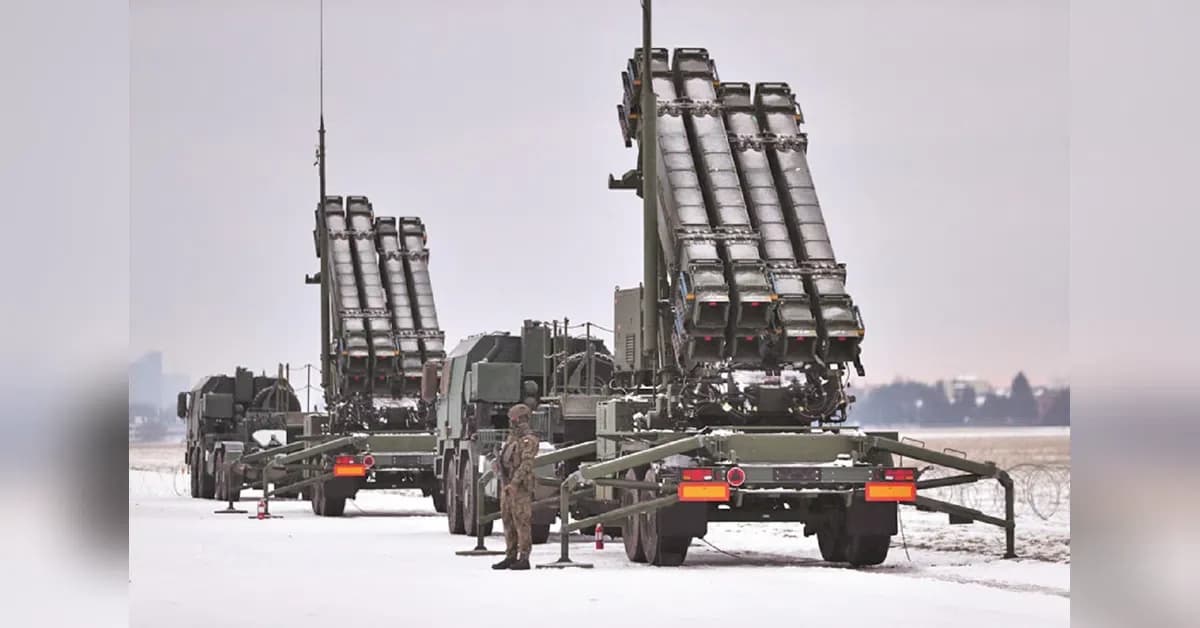
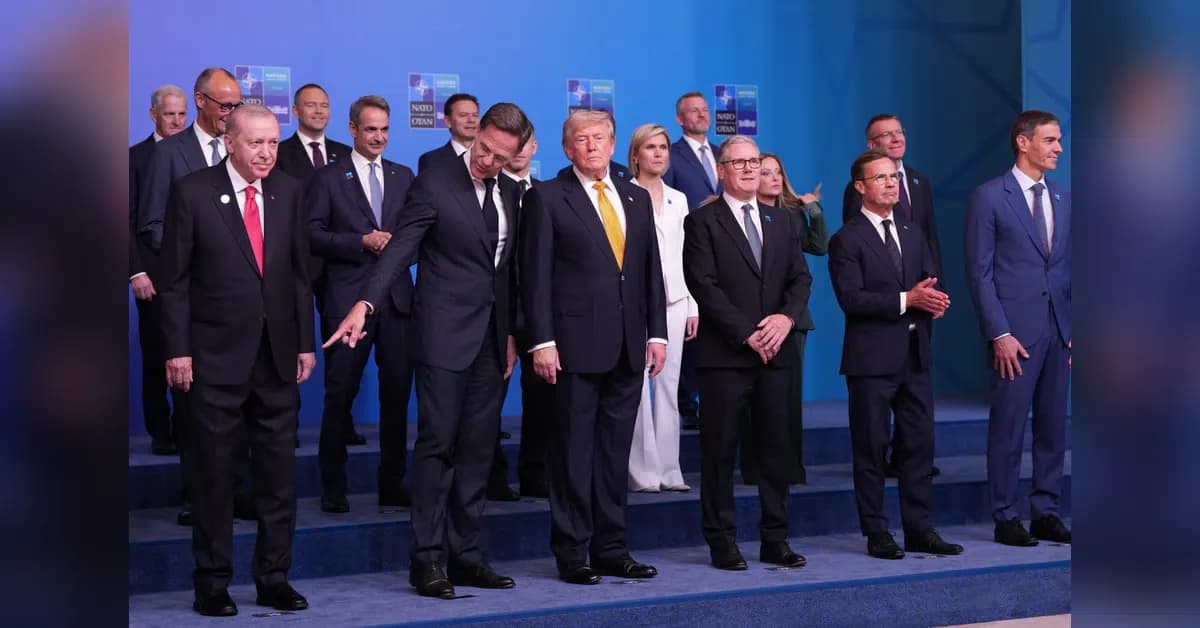
US President Donald Trump announced at the NATO summit in Ankara, Turkey, that the United States will grant Ukraine a license to manufacture Patriot air defense systems to counter missile attacks from Russia during their more than four-year war. According to Business Standard, Trump said 'We'll give them the right to make Patriots. We'll show them how to do it. I think they can produce them pretty quickly.' This represents a significant turnaround for Trump, as the US had previously resisted allowing foreign manufacture of Patriots, and comes after Zelenskyy has for years been asking for more of them, and more recently for a license so that Ukraine can manufacture its own. The announcement was welcomed by Ukrainian President Volodymyr Zelenskyy, who praised Trump's willingness to reach a deal on ending the fighting in Ukraine, with Trump stating 'We've actually developed a good relationship. It's hard to believe.'
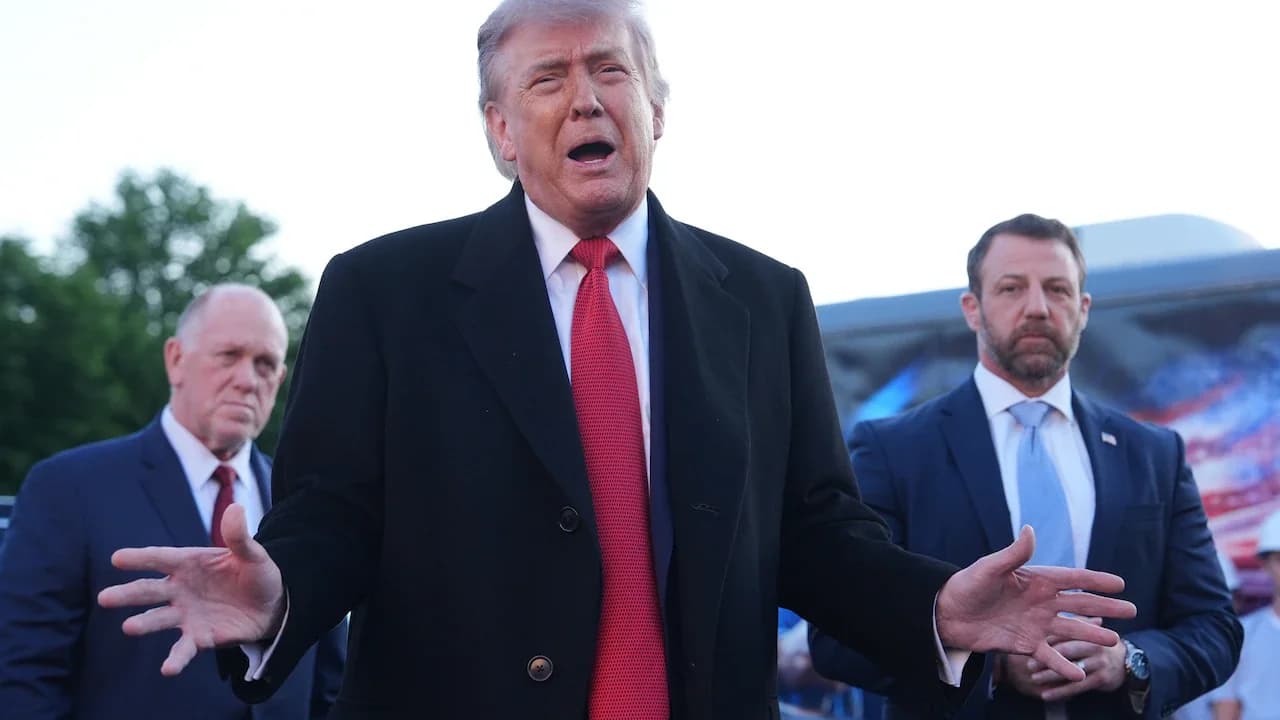
US President Donald Trump made a diplomatic gaffe during this week's NATO summit in Ankara, Turkey, referring to Ukrainian President Volodymyr Zelensky as 'President Putin' during a joint appearance. According to videos posted on social media, Trump asked 'Do you have a question for President Putin?' while seated next to Zelensky, before quickly correcting himself and saying 'Not Zelensky. What would you like to ask him, because I'm going to ask him that question.' The incident occurred while alliance leaders debate defense spending, military support for Ukraine and the future of transatlantic security amid the ongoing Russia-Ukraine war. Despite this diplomatic error, the tone of Trump's meeting with Zelenskyy was a break from earlier encounters which ended in acrimony, with Trump praising the Ukrainian leader's effectiveness in the war.
NATO leaders pledged to provide Ukraine with USD 80 billion to help meet its defense needs this year and next, according to Business Standard. Nato Secretary-General Mark Rutte sought to tamp down Trump's ire by giving him credit for recent increases in defense spending from NATO allies, pointing to countries including Estonia, Latvia, Poland and Denmark that are investing more in defense. The Trump administration expects 'the Europeans and Canadians will equalize their spending with the United States,' with Rutte noting that the 'Trump Trillion' - the USD 1.2 trillion that European allies and Canada have added to defense spending since Trump came to power in 2017. However, figures released by NATO showed that Slovenia, Belgium, Spain and the Czech Republic have struggled to meet the alliance's old spending target of 2% of GDP.
The Trump administration announced plans to rescind Syria's terrorism designation, marking a key move toward lifting sanctions on the country, as reported by Business Standard. US Secretary of State Marco Rubio stated that Trump has told US lawmakers that the US will soon remove Syria as a state sponsor of terrorism as part of a year-long normalisation process with the country's new government. Meanwhile, Trump met with Syrian President Ahmad al-Sharaa, a former insurgent who led the offensive that unseated autocrat Bashar Assad in December 2024. Separately, NATO Secretary-General Mark Rutte praised Trump for the series of US strikes on Iran overnight, after Tehran struck three merchant ships in the Strait of Hormuz, with Rutte saying 'I think what you did last night was absolutely necessary.' Trump said of the interim agreement with Iran: 'For me, I think it's over' but added he will allow talks to continue.
Trump's behavior at the NATO summit drew mixed reactions from political observers, with retired U.S. Naval War College Prof. Tom Nichols warning that 'There is something deeply wrong with him. His friends know it, his critics know it. The world knows it.' Meanwhile, Trump supporters and administration allies have repeatedly dismissed concerns about the president's health or cognitive abilities. The Pentagon has launched a six-month review of US military presence in Europe, leaving allies to seek clarity on just how deeply Trump intends to cut US force numbers. The Trump administration wants to see a leaner 'NATO 3.0,' with Europe taking responsibility for its own security, including Ukraine, while America would continue to provide its nuclear umbrella.