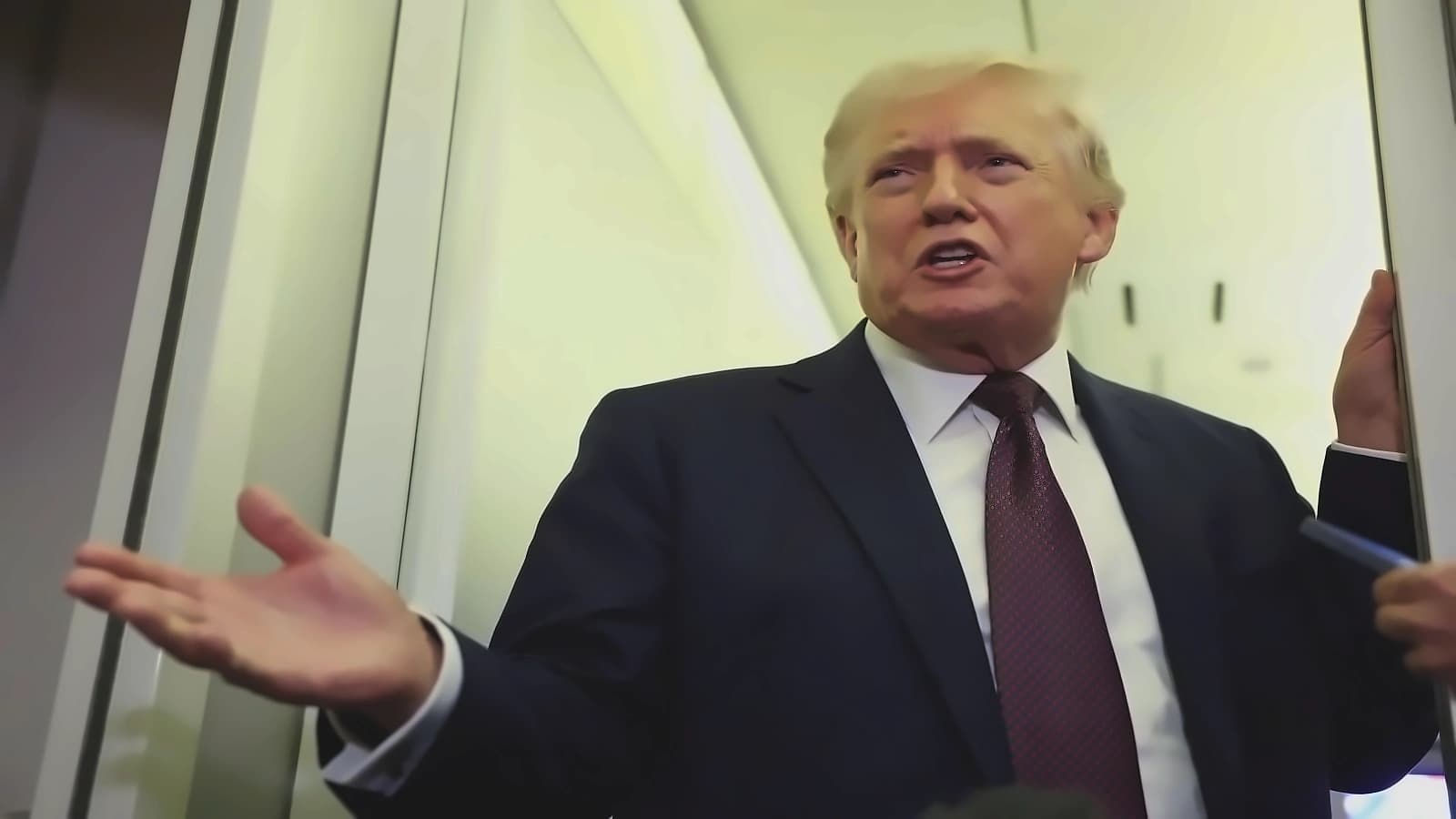
US President Donald Trump made more than 21,000 securities trades in 2025, with the total dollar value ranging between $600 million and $1.86 billion, according to his latest financial disclosure. As reported by The Economic Times, Trump averaged 85 trades per market day and many transactions occurred during heightened volatility after policy announcements. Just 10 days accounted for about a quarter of all trades executed throughout the year, with many coming during market events created by Trump himself. The disclosure shows 15,524 purchases and 5,761 sales of assets, with about half of the trades falling within the lowest range of $1,001 to $15,000. However, there was also dissonance across Trump's eight separate trading accounts, with more than 200 cases where he bought a stock in one account the same day he was selling it in another. According to The Economic Times, there may have been even more trades: Officials don't have to report trades of $1,000 or less.
US President Donald Trump made 327 stock purchases on April 8, 2025, worth as much as $12.8 million, just one day before announcing a 90-day pause on tariff announcements he had made just a week prior. According to investigative outlet Sludge analysis of his 927-page financial disclosures, Trump purchased shares of Apple, Amazon, Alphabet, Microsoft, and Nvidia - all part of the Magnificent Seven group of shares that were hit hard after his tariff announcements. The purchases were made between ₹1,00,001 and ₹2,50,000 each, with the timing suggesting he planned to cash in on the anticipated market rally. As reported by NBC News, these purchases were made near market lows and were not publicly disclosed until more than a year later, despite federal disclosure requirements. According to CNBC analysis, this made April 8 his 11th busiest day for stock buying in 2025, more than five times the daily average of roughly 62 for the calendar year. However, the trades were not disclosed until more than a year later, prompting late filing fees for the unreported transactions as noted by an Office of Government Ethics reviewer.
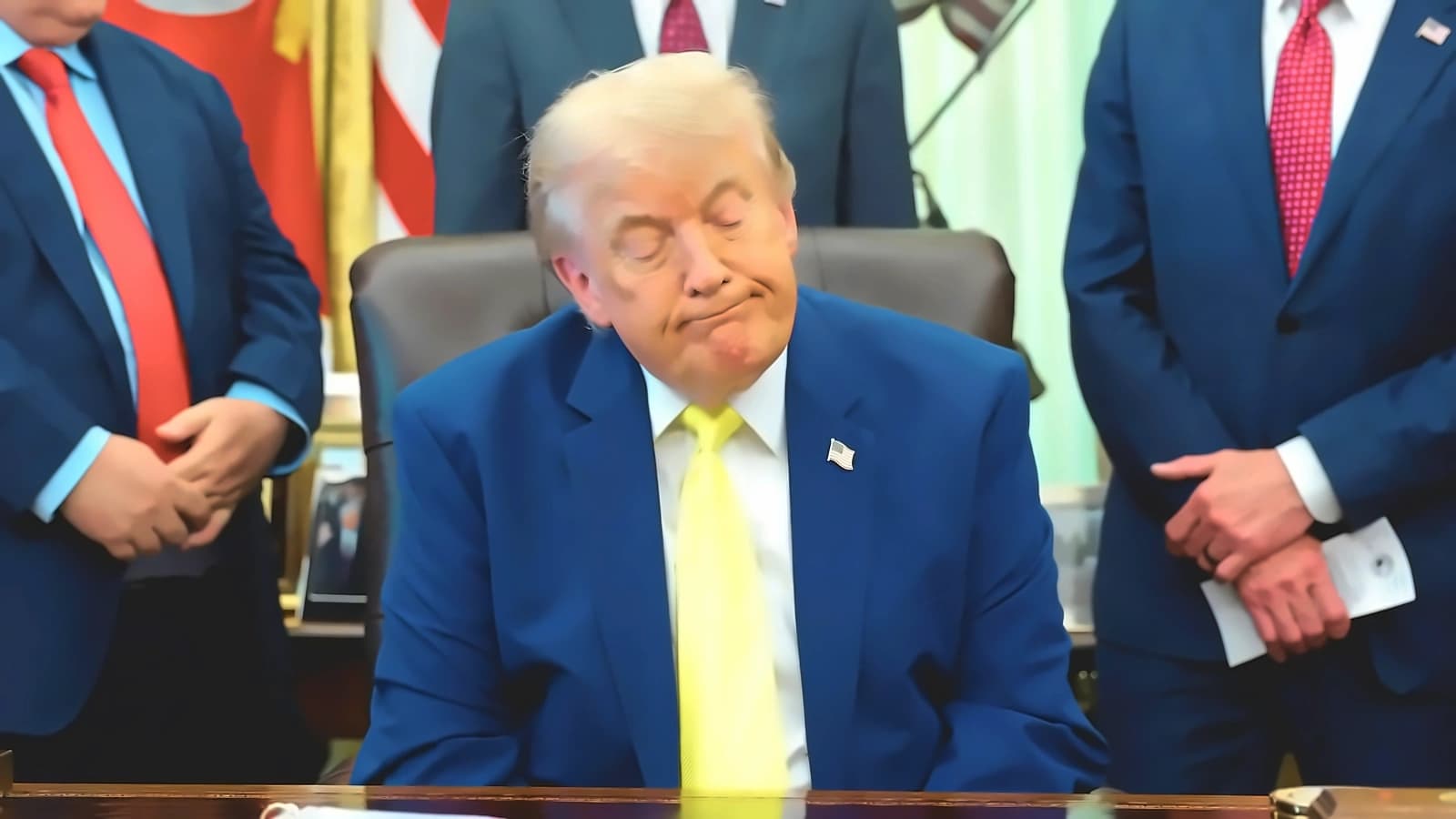
On April 8, the S&P 500 had closed within touching distance of bear market territory, meaning a 20% drop from its peak. The index had dropped 12% in just four sessions between April 2 to April 8. The next morning, when futures were continuing to sell-off, Trump posted on his Truth Social account that this is a "GREAT TIME TO BUY!!!". Within a few hours, he announced the tariff pause. Trump's announcement not only sparked a sharp reversal in the futures market, but also led to the S&P 500 rebounding 9.5% in regular trading, marking one of its best trading days on record. Since that day, the index has risen close to 50%. As CNBC reports, the S&P 500 climbed around 9.5% in that session, marking one of its best days on record. However, the delayed disclosure has sparked bipartisan calls for increased scrutiny from Democratic lawmakers, including Sen. Adam Schiff and Rep. Mike Levin, who have urged the White House to fully disclose all financial transactions by senior officials.
Having dropped over 5% on April 8, 2025, shares of iPhone-maker Apple reversed more than 15% after Trump's pause, leading to its best single-day move since 1998. Nvidia also gained 19% on that day, gaining nearly one-fifth of its value in a single trading session. These dramatic recoveries demonstrate the immediate market impact of Trump's tariff policy announcements and subsequent reversals. All five stocks are members of the Magnificent Seven, a group of mega-cap technology stocks that has been credited with propelling the market to record highs over recent years. The episode captures a central theme running through Trump's second term: A president with vast power to move markets is also a president with a vast personal stake in them — with more personal investment at stake than any of his predecessors. However, critics have raised concerns about the timing and potential conflicts, with users on forums such as Reddit WallStreetBets questioning the ethics of such trading activity.
The White House has defended Trump's trading activity, with spokesperson Anna Kelly telling CNBC that "All of the President's assets are in held in fully discretionary accounts managed by independent third-party financial institutions. There are no conflicts of interest." Trump on Wednesday told reporters his trades are managed by outside parties, stating "I don't get involved in my personal — we have funds that run my money." However, in response to bipartisan scrutiny, a White House spokesperson suggested focusing on former House Speaker Nancy Pelosi, who has faced similar allegations. President Trump has denied any personal involvement in insider trading but acknowledged he cannot guarantee the same for his administration. He stated, "I can commit to myself, that's all I can commit to." The April stock trades are just one part of a 927-page disclosure that shows $2.24 billion in revenue in 2025, including hundreds of millions from crypto, more than $290 million from major golf and club properties and over $86 million in legal settlements. The Trump Organization says that the president's holdings are independently managed by third-party financial institutions that have control over all investment decisions, with trades executed through automated, model-based portfolios and direct indexing strategies.
Beyond the April tariff-related trades, Trump made other suspicious stock purchases throughout 2025. On August 18, 2025, his accounts bought between $250,000 and $500,000 of stock in chipmaker Intel, four days before the president announced that the federal government would take a nearly $9 billion equity stake in the company. Intel's stock price went up 6% after that announcement. Trump also bought stock in defense contractor Palantir Technologies throughout the year, publicly praising the company while increasing its federal contracts, particularly those with Immigration and Customs Enforcement. One of his top advisers, White House deputy chief of staff and anti-immigration hawk Stephen Miller, also owns between $100,001 and $250,000 of Palantir stock. This year, Trump singled out Palantir on Truth Social in April and sent its stock price soaring. Some of Trump's busiest trading days came after announcements of policy shifts, especially around trade. His asset managers executed 616 trades on February 3, one day before tariffs on Canada, Mexico and China were scheduled to go into effect, and there were 640 more trades a month later after Trump lifted a pause on those tariffs.