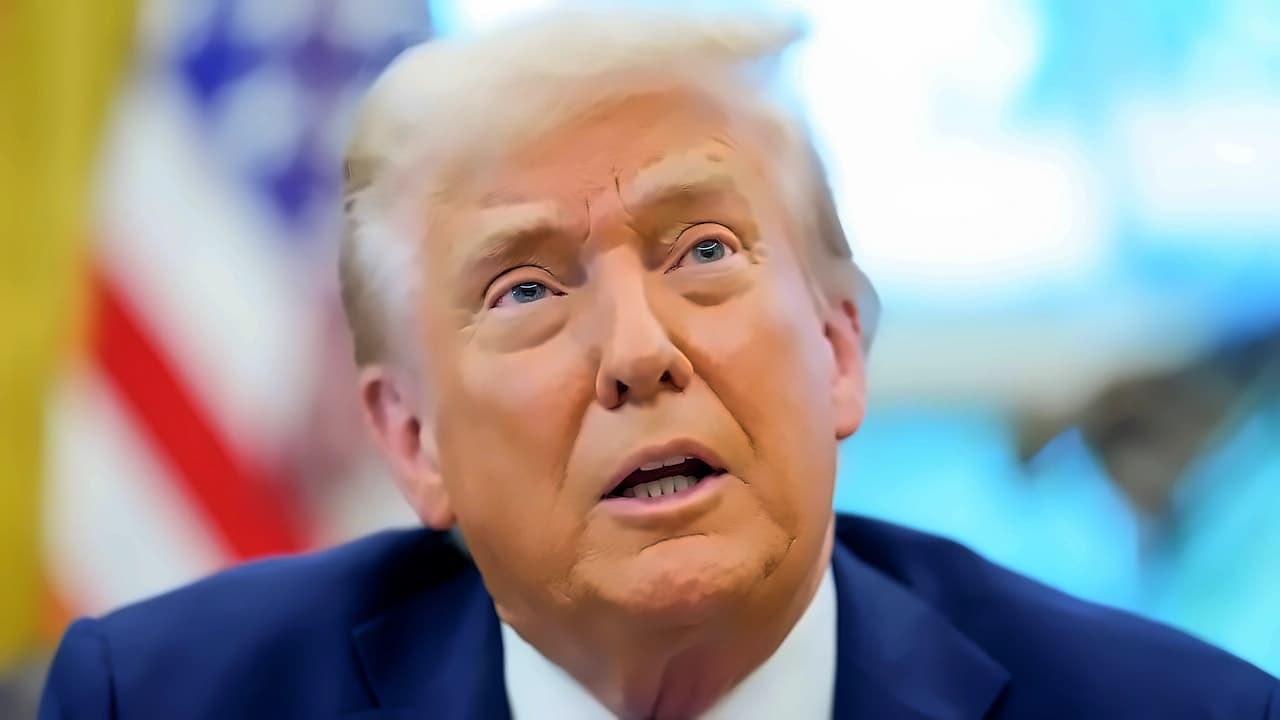
A federal appeals court over the weekend denied the Trump administration's request to resume President Donald Trump's controversial March 31 executive order restricting mail-in voting. According to Nashua Ink Link, a three-judge panel of the 1st U.S. Circuit Court of Appeals agreed with a lower court ruling that blocked the order, with judges noting the Constitution grants states — not the president — authority to administer elections. The panel's decision comes as time runs out for Trump's administration to successfully place the restrictions on vote-by-mail before November's midterm elections, with the court citing imminent consequences for state election officials if they didn't begin preparing for the order's requirements in time for the November general election and September primaries. The executive order "directs unprecedented levels of involvement by federal officials in how states administer elections," as noted by appeals judges Gustavo A. Gelpí and Julie Rikelman in their Saturday order.
Trump ordered the government in March to create a 'state citizenship list' of eligible voters and deliver mail ballots only to people on that list. As reported by Nashua Ink Link, the executive order directs the U.S. Postal Service to require states to notify the agency 90 days before an election if they plan to use mail-in ballots and send the federal government a list of eligible voters at least two months before the election and before sending ballots to those voters. The order also required the Department of Homeland Security, with help from the Social Security Administration, to compile lists of voting-age citizens living in each state and provide that information to state officials at least 60 days before each federal election. The lists would be drawn from naturalization and Social Security records, according to the order, and would include data from SAVE, Homeland Security's computer program that verifies citizenship by checking names against federal databases. Judge Joshua D. Dunlap concurred in part and dissented in part, noting that the Postal Service rule mandated by the executive order had not been finalized.
Democratic officials in 23 states and the District of Columbia have sued, arguing that the Constitution gives states and Congress the authority to set election rules, not the president. According to Nashua Ink Link, the appeals court panel pointed to the approaching midterms as a reason to block the order for now, noting that the timeline suggested by the order would have required states to take immediate action related to mail ballots. Twelve states with Republican attorneys general — Alabama, Missouri, Florida, Indiana, Kansas, Louisiana, Montana, Nebraska, Oklahoma, South Carolina, South Dakota and Texas — joined the appeal on the federal government's side. US District Court Judge Indira Talwani in Boston, who was nominated by Democratic President Barack Obama, agreed in June to halt implementation for the November 3 elections. The district court judge noted that the executive order did not cite relevant constitutional or legal authority to support the creation of the citizenship lists.
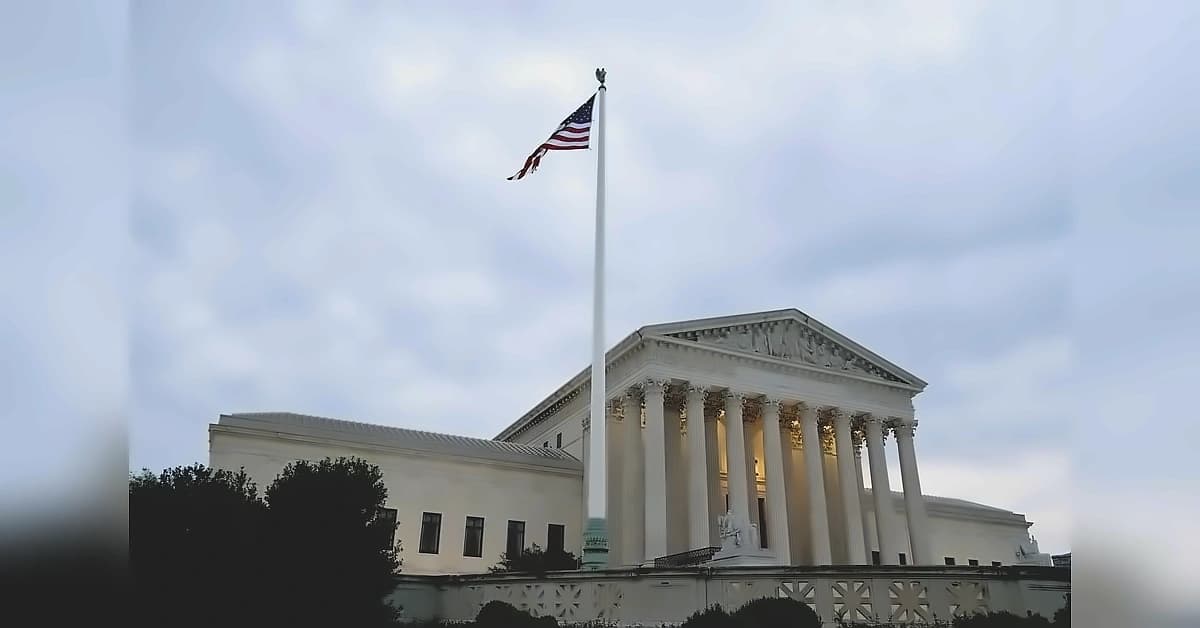
A Justice Department spokesperson indicated the administration would appeal the case further, likely to the U.S. Supreme Court, stating 'We disagree with the First Circuit's ruling and are reviewing all options. The Department remains confident that President Trump's order to secure federal elections will ultimately be upheld.' As reported by Business Standard, the Justice Department has asked the Supreme Court to allow the proposed changes to move ahead while lawsuits play out, with the administration arguing that any new policies would have to be in place by August to be effective for the November elections. The administration's attorneys have said Trump's proposed changes are ripe for abuse and could cause chaos, with Democratic officials warning of potential election disruption. The 1st Circuit panel pointed to the approaching midterms as a reason to block the order for now, noting that the timeline suggested by the order would have required states to take immediate action related to mail ballots.