The Trump administration has lifted restrictions on Anthropic's Claude models after a weekslong ban tied to cybersecurity concerns, according to Associated Press reports. Anthropic announced Tuesday night that its AI model called Claude Fable 5 is now widely available, ending the restrictions that began on June 12 when the Commerce Department blocked foreign nationals from using both AI models. The company had been forced to immediately take the products down for all users just days after unveiling them. The restrictions were lifted after cybersecurity researchers at Amazon, Anthropic's primary cloud computing provider, found a method of bypassing Fable 5's safeguards that enabled discovery and potential exploitation of software vulnerabilities.
While Claude Fable 5 is now widely available, Anthropic is restoring access to its most powerful model, Mythos 5, but only to a select group of U.S.-based organizations approved by the federal government, as reported by Associated Press. This selective approach reflects the government's continued focus on controlling access to advanced AI capabilities. The restrictions were initially imposed after officials grew increasingly concerned since Anthropic warned earlier this year that its Mythos model was adept at finding software flaws in a way that could be weaponized by malicious hackers and threaten critical computer networks around the world.
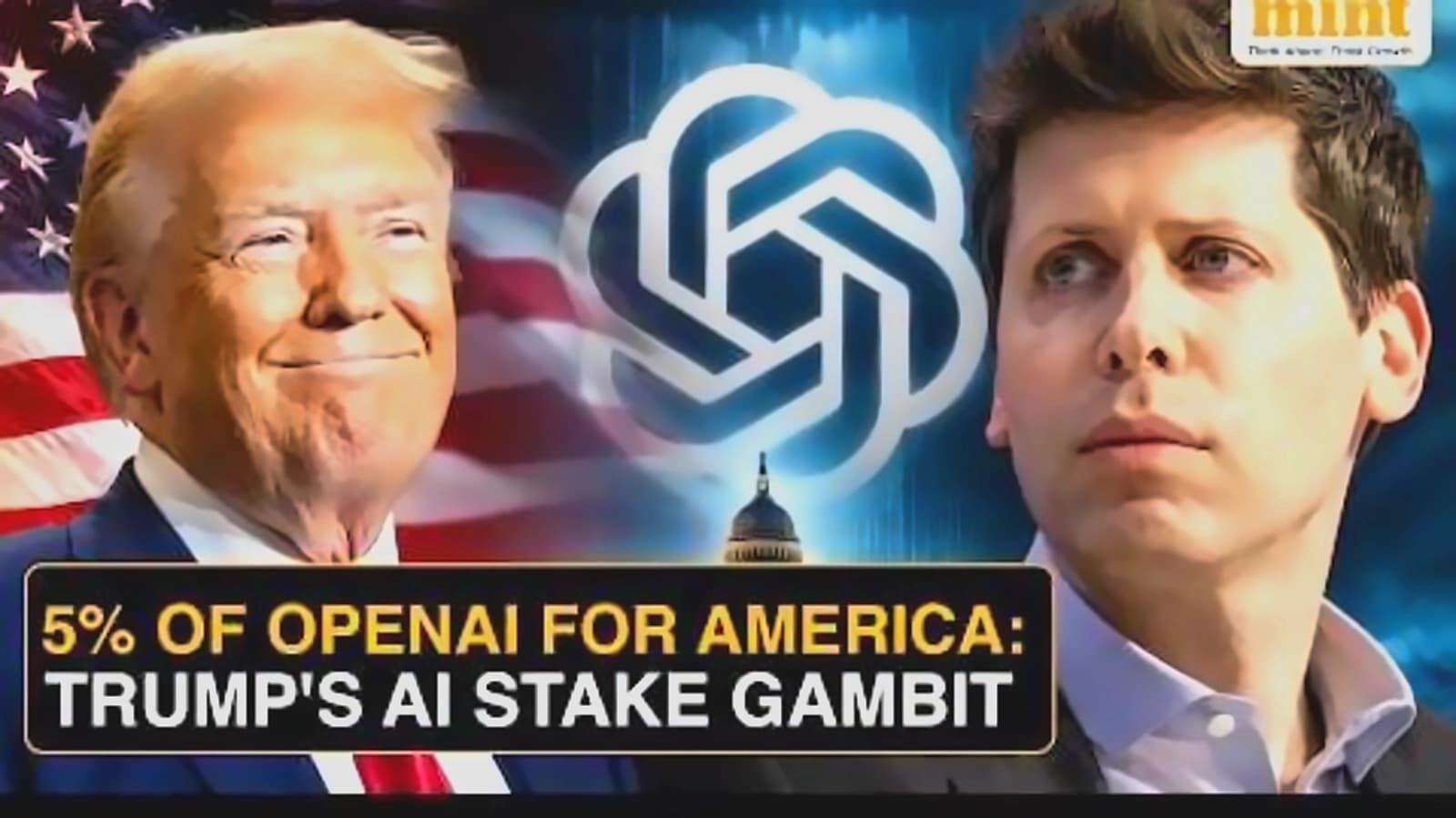
OpenAI also continues to face government restrictions, with the company restricting the release of its new AI model, GPT-5.6 Sol, at the request of President Donald Trump's administration, according to Associated Press reports. The ChatGPT maker said its new AI product would be accessible only to a select group of government-approved customers for a temporary period. However, OpenAI has proposed a significant solution to overcome political hurdles by offering to transfer 5% of its shares to the U.S. government as the AI startup, valued at $852 billion, seeks to secure financial support from the Trump administration, reports Financial Times. CEO Sam Altman argued that giving the public a financial stake in the company is the best way to share the benefits of AI, proposing this stake size in early negotiations with the administration. The proposed deal involves similar stakes by other U.S. AI companies, though it remains unclear whether other labs are willing to participate. Altman has been in active talks with President Trump, Commerce Secretary Howard Lutnick, and Treasury Secretary Scott Bessent, and has also spoken with Democratic Senator Bernie Sanders, who has advocated for public ownership of closer to half of each U.S. AI company through a sovereign wealth fund.
The latest developments come as Trump last month signed an executive order on AI oversight that established a framework for the federal government to vet the national security risks of the most advanced AI systems for up to 30 days before their public release, as reported by Associated Press. The order described participation by AI developers as voluntary, but the framework has not yet been fully developed. This regulatory framework has created significant challenges for AI companies, with Anthropic facing far greater scrutiny than OpenAI, including being labeled a 'supply chain risk' by the Pentagon after refusing certain contract terms. The whole conversation highlights growing worries in Washington about how powerful AI models are used, and who really benefits from their development. OpenAI and its main competitor Anthropic are also preparing for initial public offerings (IPOs), which will expand their shareholder base and bring significant profits to current investors, though OpenAI's IPO may not occur until next year. While Altman's plan is still in the 'conceptual' stage, any deal would likely require an act of Congress, and it remains unclear whether other AI companies would agree to the proposal.