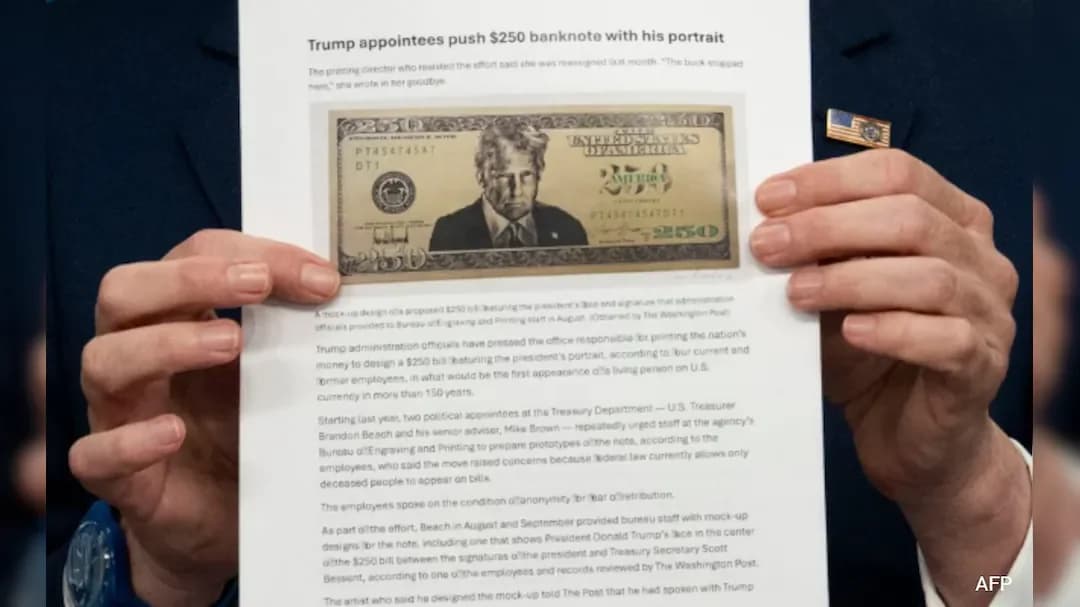
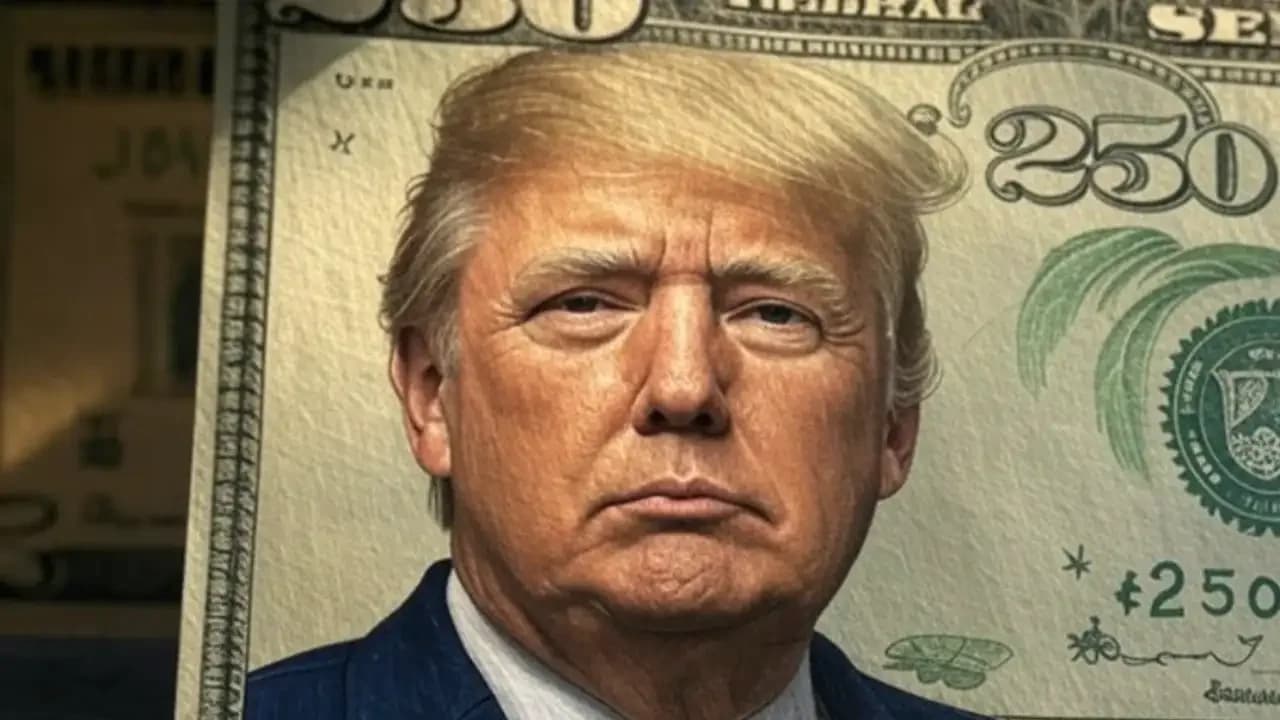
Treasury Secretary Scott Bessent has confirmed that his department has prepared the design for a $250 bill featuring President Donald Trump, with the agency taking limited steps toward implementation. Speaking at the White House on Thursday, Bessent stated that authorizing the new currency will be up to lawmakers on Capitol Hill, but emphasized "we've created the bill" because "we have to be prepared." The secretary downplayed the idea that the administration is pushing the matter, despite Trump's penchant for infusing his name and likeness across the nation's capital and into the observances of the 250th anniversary of the Declaration of Independence. Bessent also insisted there is nothing inappropriate about Trump's visage being part of the seminal national celebration, stating "The president doesn't do it; the House and the Senate have to do it." A Treasury Department spokesperson told the BBC that the agency "is conducting appropriate planning and due diligence" in response to the legislation, with the department stating that "should this legislative mandate be signed into law, the BEP is moving proactively to produce a $250 commemorative note which will appropriately recognize the 250th Anniversary of our great nation."
The legislation, introduced by Representative Joe Wilson, R-SC, would direct the Treasury Department's Bureau of Engraving and Printing to put Trump's face on the new bill to mark the 250th anniversary of the nation's founding. According to reports from The Washington Post, US Treasurer Brandon Beach provided the Bureau of Engraving and Printing with the design last fall, featuring Trump's portrait from banners hanging on federal buildings and a 250th anniversary logo, with Trump's signature included as a design element that would differ from other paper money. British artist Iain Alexander told The Washington Post he designed the bill and discussed it with the president, though Alexander did not respond to an Associated Press request for comment. Wilson's bill would mark an extraordinary recognition for a sitting US leader and creates an exception to existing law that bars any living person from appearing on US currency. The legislation has not been taken up yet in Congress, despite being proposed last year. The move to create the $250 note could also break with a different federal law that specifies the denominations that can be produced, as that law doesn't include $250.
The Treasury spokeswoman confirmed the agency has carried out "appropriate planning and due diligence" to implement a potential congressional mandate for a $250 commemorative note that would appropriately recognize the 250th anniversary of the nation's founding. According to The Washington Post, the agency's explanation follows reports that US Treasurer Brandon Beach, a Trump appointee, has been pushing the Bureau of Engraving and Printing to expedite the process, with former BEP chief Patricia Solimene reportedly reassigned after pushing back against the pressure. Michael Brown, a top Beach aide, became acting director of engraving and printing on May 18. The Post reported that Solimene was reassigned against her will, paving the way for Brown to oversee the bureau, with the former BEP chief stressing to Beach and Brown the lengthy legal and procedural process required to issue new currency. As per The Washington Post, it was two Trump political appointees who began urging the drafts of the new $250 note be created, including mocking up the president's likeness. Artistic concepts of the $250 bill have not been publicly released but designs have been requested by the Bureau of Engraving and Printing, a sub-agency of the Treasury that develops and produces US currency.
A new currency note would be the latest example of Trump expanding his personal brand in his official capacity since returning to the White House in 2025. As reported by The Washington Post, Beach and Bessent already streamlined approval of a commemorative 250th anniversary coin featuring Trump, with the Treasury Department asserting that special coins fall outside the prohibition on living presidents appearing on money. The Trump administration has also had banners featuring his portrait hung on the Department of Justice and other federal buildings, and his appointees to the Kennedy Centre governing board added his name to the national performing arts facility. In 1926, the nation's 150th anniversary, then-President Calvin Coolidge appeared on a commemorative half-dollar coin that was official legal tender. The president has already made history when it comes to appearing on money, with the Treasury Department announcing Trump's signature would appear on all new printed money - a departure from having signatures from the treasury secretary and the treasurer. There's also the possibility of a new commemorative passport with Trump's face, for example, and the commemorative coin, and the National Parks pass. Since taking office last year, Trump and his allies have worked to put his face, name, and likeness on public buildings and US symbols, with the Kennedy Center being renamed to include Trump's name, and his portrait will feature on US passports.
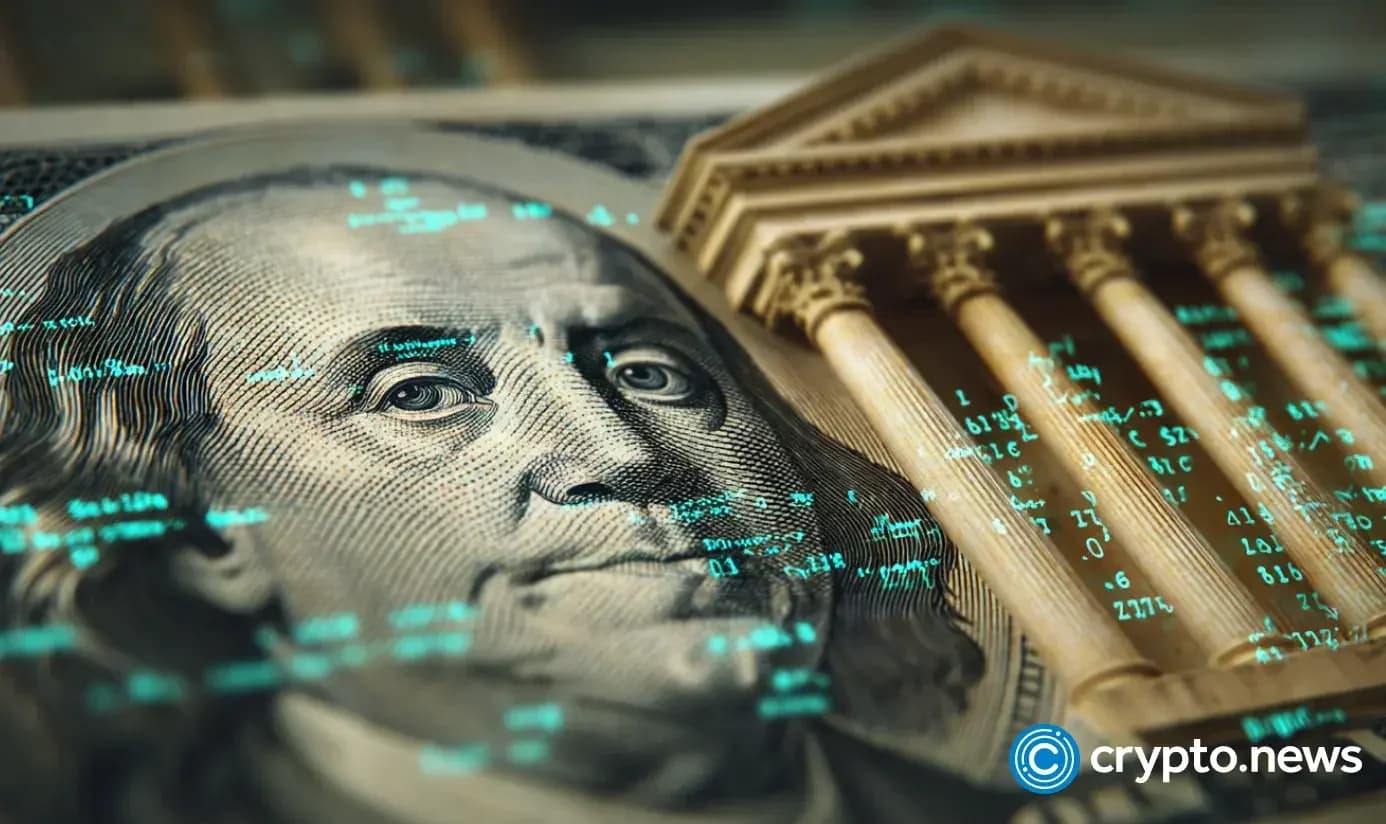
US Senator Mark Warner, who sits on the Senate's Committee on Banking, has criticized the plans, stating "As Americans struggle with the rising cost of gas, groceries, housing, and health care, President Trump's priorities for taxpayer dollars are completely detached from the challenges families face every day." Warner, a Democrat from Virginia, added that "if this White House put even half as much energy into working to lower costs as it does into stoking the president's ego, American families wouldn't need that new $250 bill just to fill up their gas tanks." The $100 bill, featuring Benjamin Franklin, one of the US founding fathers, is the largest bill printed today, with the US previously issuing larger notes including $500, $1000 and $10,000 notes but these were discontinued in 1969. They remain legal tender but not in circulation, as they are largely kept by private currency collectors. New currency notes typically take years to develop and involve a range of agencies including the Federal Reserve Board and the US Secret Service, with designs held in secret. "Note designs are typically made public six to eight months ahead of time for global public education and cash handler education purposes," according to the BEP, "to do so earlier would aid counterfeiters and cause confusion in the marketplace, lowering confidence in U.S. currency." It is unclear if the notes could be printed in time for the 250th anniversary on July 4.