Elon Musk deflected questions about a direct merger between his SpaceX and Tesla during Tesla's Q2 2026 earnings call, responding to a question from Wells Fargo's Colin Langan about potential synergies from combining the companies. According to the latest reports from Reuters, Musk acknowledged "more and more overlap" between the two companies he controls, particularly highlighting the Terafab project as "really going to be a gigantic project." However, he emphasized that discussions around combining businesses cannot take place during an earnings call and would require "the appropriate process." Musk's choice of words was notable, as he didn't reject the merger premise but instead deferred to the formal corporate process, marking the closest he has come to addressing the speculation directly. As per Reuters, Musk stated that "As you can tell from the many collaborations on so many fronts with SpaceX, there's more and more overlap."
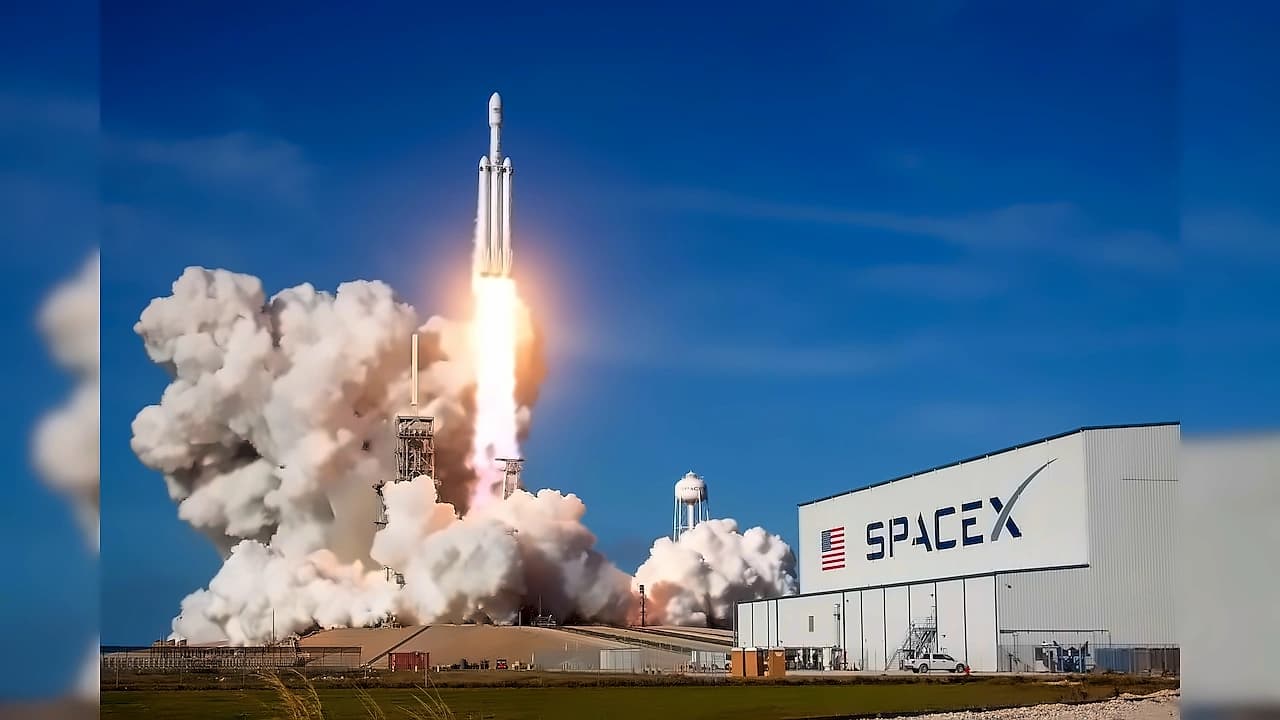
The companies' relationship has deepened significantly, with Tesla's $1.1 billion GAAP net income this quarter including roughly $750 million from a mark-to-market gain on its SpaceX stake. This means that almost all of Tesla's reported profit was a paper gain on the private company Musk controls, rather than actual income from car or energy sales. The actual operating income was just $398 million, representing a 1.4% operating margin. Tesla General Counsel Brandon Ehrhart confirmed the close relationship, stating that "We continue to benefit from our relationship with SpaceX and we've had — they've been a great partner and we have numerous beneficial transactions with them." The companies have also deepened their relationship through an investment and framework agreement earlier this year, with SpaceX purchasing roughly $650 million in goods and services from Tesla in 2025. Tesla already supplies batteries and manufacturing technologies for some SpaceX projects, while the companies are jointly developing Terafab, a semiconductor manufacturing facility designed to produce AI chips. Tesla is also integrating SpaceX's Starlink satellite internet connectivity directly into the Cybercab.
Following Musk's remarks, Gene Munster, managing partner at Deepwater Asset Management and a Tesla investor, said the call left him more convinced the companies were destined to be joined over the next few years. According to Reuters, Munster stated "I would put the odds that these two will combine at 90% today." He had previously said the odds were 80% before the earnings call. JPMorgan analysts noted that "operational integration between the two entities is already deep," citing shared engineering talent, AI infrastructure, Terafab and Musk's leadership as factors that "would facilitate an eventual combination." Stifel analysts struck an even more bullish note, writing that "many investors consider it inevitable that Musk will move to combine SpaceX with Tesla — for them the question is not if but when." SpaceX President and Chief Operating Officer Gwynne Shotwell has also acknowledged potential benefits, telling CNBC in June that folding the companies together "might make Elon's life a little easier" by streamlining management across his businesses.
Despite the growing speculation, analysts caution that a merger would face significant obstacles. JPMorgan identified regulatory approvals as a major challenge, particularly in China, where SpaceX's ties to the U.S. government could raise national security concerns. Corporate governance could also complicate any transaction, with Musk holding a significantly larger voting stake in privately held SpaceX than in publicly traded Tesla, creating potential issues for Tesla's minority shareholders in the event of a merger. Any formal combination would likely require extensive regulatory scrutiny, shareholder approvals and a carefully structured corporate process. The setup is particularly significant given that Musk holds roughly 20% of Tesla but controls 85% of SpaceX's voting power, making it his fourth billion-dollar self-deal after SolarCity, Twitter/X, and the xAI shuffle. As per Reuters, analysts note that the "practical bottleneck" of getting regulatory approvals for both companies could pose significant challenges.
Tesla reported second-quarter revenue of $28.2 billion, beating consensus economist projections of $27.2 billion, according to FactSet. However, the company posted earnings of 33 cents per share, which fell well below estimates of 55 cents. Tesla also reported its first quarter of negative free cash flow in more than two years, running just over $1 billion in the red. Chief Financial Officer Vaibhav Taneja reiterated that Tesla planned to spend more than $25 billion this year, noting that figure will likely rise in the coming years. The mixed financial results highlight the challenges Tesla faces in balancing its ambitious expansion plans with profitability concerns. Tesla's $1-billion unrealized gain on SpaceX holdings provided a notable boost to reported net income, as per CFO Vaibhav Taneja, who noted that "Net income was positively impacted by a mark-to-market gain of 1 billion on our SpaceX holdings, which was offset by losses on FX of approximately 300 million and on Bitcoin of about 100 million."