Taiwan has widened curbs on short sales of local stocks and implemented a blanket ban on short selling below the previous trading day's closing price, covering both margin short sales and borrowed shares. According to Bloomberg, the Financial Supervisory Commission announced these measures on Saturday, with the new restrictions taking effect on November 23, 2026. The regulator has also raised the minimum margin requirement for short sales to 150% from 130% and temporarily suspended the acceptance of applications from securities firms to list new put warrants. Short sales by securities and futures companies for business-related hedging purposes remain exempt from the new ban.
The expanded regulatory measures come after Taiwan stocks plunged 6.2% on Friday, bringing weekly losses to almost 18% as the island's benchmark index experienced its worst weekly fall in 35 years. As reported by Bloomberg, the tech-heavy stock market has witnessed heavy selloffs as the global artificial intelligence trade came under strain, with doubts over whether returns can justify the vast sums poured into AI sending tech shares tumbling across Asia. The dramatic decline has prompted authorities to take decisive action to ease short-term concentrated selling pressure and maintain market order.
The NT$500 billion ($15 billion) National Financial Stabilization Fund has entered the market to support Taiwanese stocks and urged investors to remain confident. According to Bloomberg, the fund has been buying shares to support the market since November 6, 2026, with the Ministry of Finance stating that Taiwan's macro fundamentals remain strong citing record performances on economic and export growth. The economy expanded 14.4% in the third quarter, while October's export orders rose 78% from a year earlier. The fund attributed recent market concerns to potentially tighter US regulation of artificial intelligence, the returns on massive capital expenditures, company-specific factors and margin-financing risks.
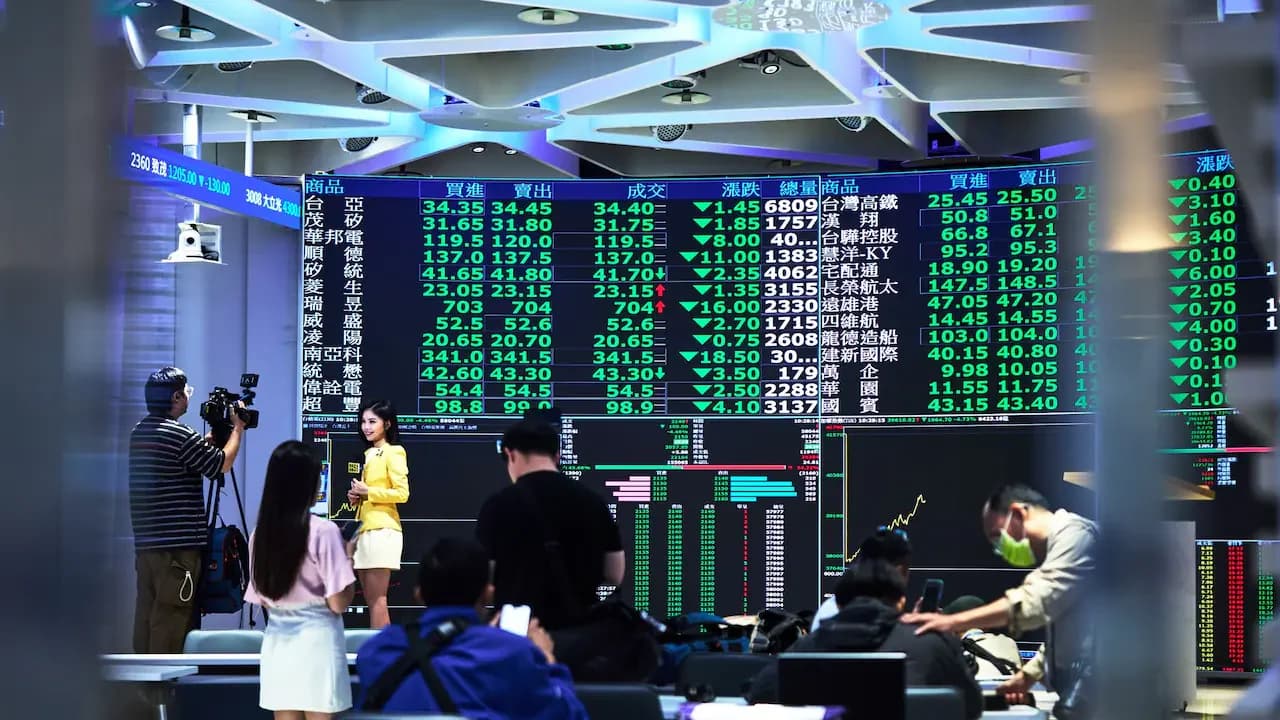
The new regulatory measures will take effect on November 23, 2026, marking the third time this month that authorities have unveiled short-selling curbs to tame market volatility. As reported by Bloomberg, two earlier rounds of short-selling restrictions this month have so far failed to stabilize the market. The Financial Supervisory Commission will continue monitoring international developments and Taiwan's domestic capital markets, adjusting stabilization measures as appropriate. The commission has urged investors to remain prudent and respond rationally in accordance with their own investment strategies.
The Taiwan Stock Exchange has emphasized the importance of corporate communication and transparency in maintaining market confidence. According to BigGo Finance, the exchange will continue to urge listed companies to implement disclosure of material information and encourage companies to proactively explain operating results, business strategies and future outlook to investors. The exchange also encourages listed companies to assess treasury share measures in light of their financial condition and shareholder equity, demonstrating corporate confidence in long-term operations. Additionally, the exchange will step up attention to false market information, providing correct and complete explanations to the public in a timely manner when media reports or market perceptions are inaccurate.