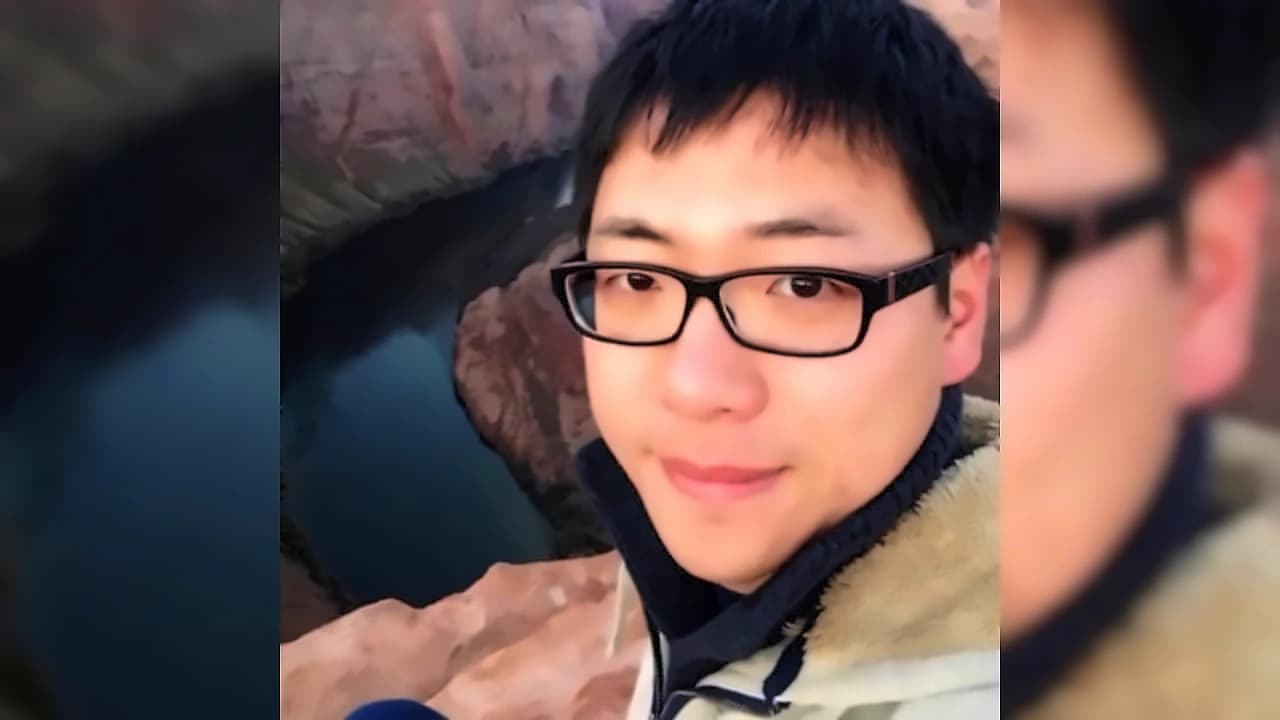
Ting-Wei 'Willy' Sun, a contractor linked to Super Micro Computer, pleaded guilty to four counts in a Manhattan federal court on Thursday. According to reports from Reuters, the plea was entered on 9 October 2026 based on a superseding information document that adds a fourth count of obstruction of justice for deleting an encrypted messaging application from his phone on the day of his arrest. The case stems from an alleged operation to ship advanced computing servers to China without required export licenses, as prosecutors charged Sun and two other individuals in March with conspiring to divert around $2.5 billion worth of American AI technology to China.
The alleged operation began around 2024 and involved servers from a US manufacturer widely believed to be Super Micro. As reported by Reuters, the indictment identified Nvidia's B200, H100 and H200 graphics processing units (GPUs) along with servers containing those chips as products subject to US export restrictions. According to the Justice Department's March release, the defendants directed a Southeast Asian company to order servers with certain GPUs, which were shipped through the manufacturer's facilities in Taiwan, repackaged in unmarked boxes and sent to China. The scheme allegedly involved 'thousands of dummy' servers staged for inspection, with Sun and a broker using a hair dryer to remove and affix labels and serial number stickers before Commerce Department inspections. In one three-week window from late April to mid-May 2025 alone, prosecutors allege more than $510 million in export-controlled servers were diverted through the Southeast Asian pass-through entity using fake end-user paperwork and unmarked boxes.
Super Micro previously stated it was not named as a defendant in the indictment and that the case had not affected its business operations. According to Reuters, the company terminated Sun and cut ties with the other defendants earlier this year. The other defendants include Yih-Shyan 'Wally' Liaw, a Super Micro co-founder, and Ruei-Tsang 'Steven' Chang, a former sales manager at the company's Taiwan office, both of whom were indicted in March but have not entered guilty pleas. Liaw resigned from the board effective immediately and DeAnna Luna was appointed acting Chief Compliance Officer, while the company placed the two employees on administrative leave. Super Micro's independent internal investigation, completed in August 2026, found no evidence that current senior management had knowledge of the alleged diversion scheme and no evidence the company directly sold export-controlled products to known restricted parties.
The case comes amid intensifying US-China competition over AI, with Washington restricting exports of advanced chips on national security grounds. As reported by Reuters, such processors are central to training and running sophisticated AI systems, making enforcement of export controls a significant issue for the technology industry. The case represents part of Washington's stepped-up efforts to prevent China from accessing advanced AI technology, highlighting the strategic importance of controlling access to these critical components. Super Micro Computer has a market capitalization of $27.50 billion and shares have traded between a 52-week high of $58.51 and a 52-week low of $19.49. A two-week jury trial for the remaining defendants was scheduled to begin on 2 November 2026.