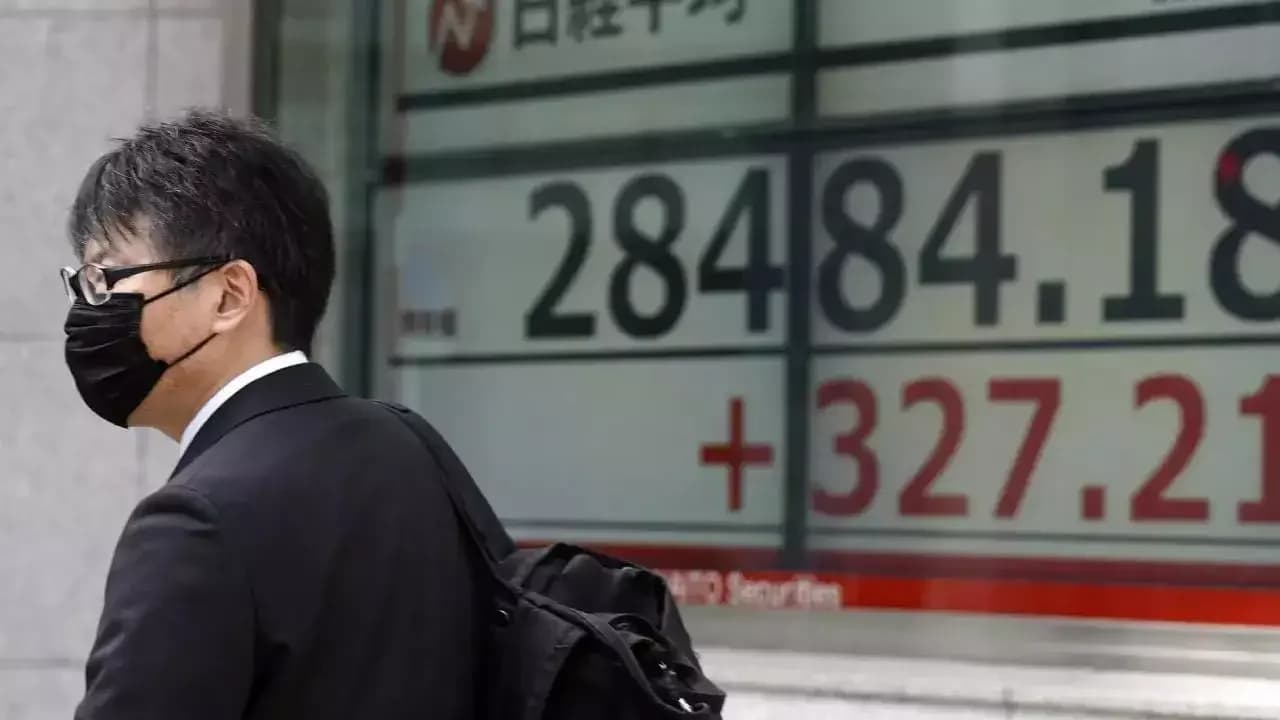
Asian stocks gained on Tuesday with MSCI Asia Pacific Index rising 0.3% as traders remained bullish on AI trade, even as US-Iran peace talks faltered and oil prices climbed. According to The Economic Times, gauges in Japan, South Korea and Australia advanced, coming after Wall Street benchmarks edged up to a record close on Monday and the Philadelphia Semiconductor Index jumped 2.6% to an all-time high. The mutual rejection of peace proposals weighed on risk sentiment after global equities had rallied to record highs, driven in part by a revival in the artificial intelligence trade. Global equities have erased losses tied to the Iran conflict and have climbed to records, supported by expectations that heavy spending on artificial intelligence, particularly in Asia, will underpin earnings growth. The relatively modest moves suggest traders are still pricing in an eventual de-escalation, though the path remains uneven with headline risk likely to drive bouts of volatility.
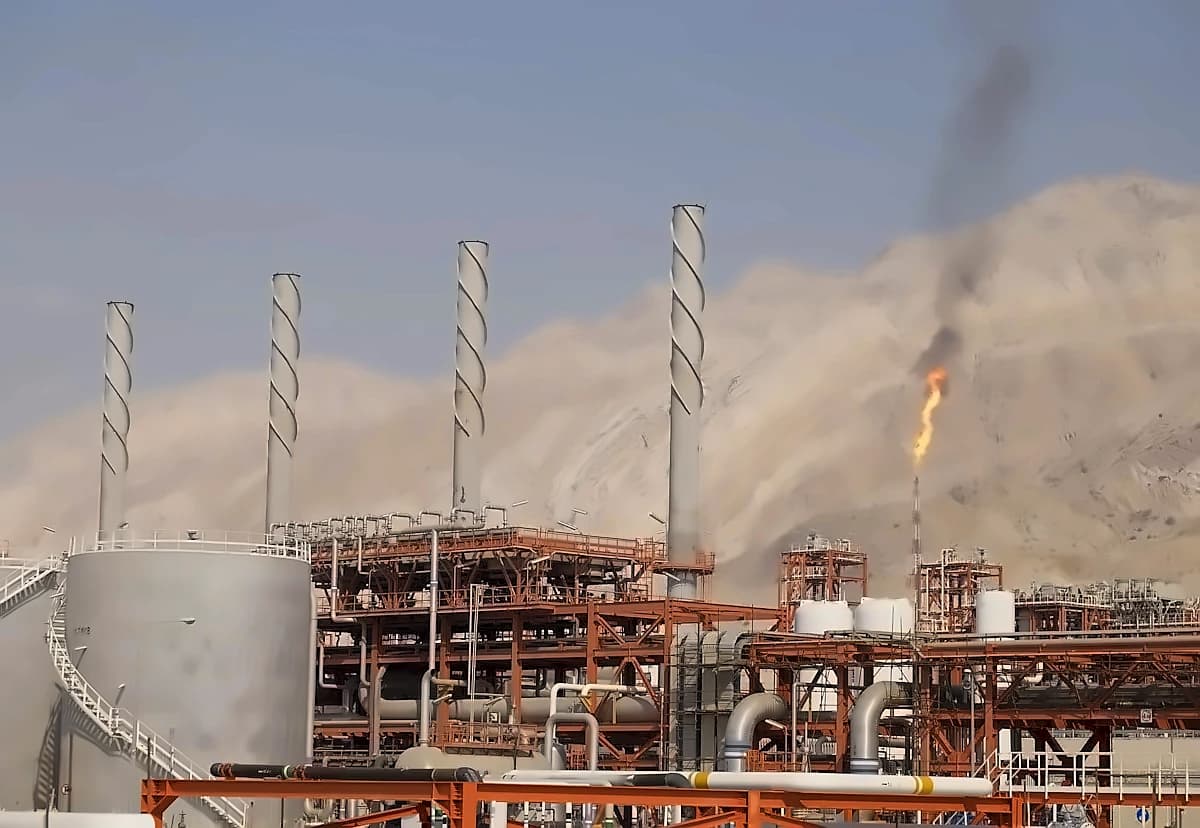
Oil prices showed significant gains as negotiations continued to stall. As reported by The Economic Times, West Texas Intermediate crude held above $98 a barrel Tuesday after President Donald Trump said the ceasefire with Iran was on "massive life support" and rejected the Islamic Republic's latest peace proposal. Brent rose 0.3% as stalled negotiations pointed to a continued closure of the vital waterway. The Strait of Hormuz, which normally handles approximately one-fifth of the world's oil and liquefied natural gas, remains a key factor in market expectations, with oil now functioning as the market's primary macro stress barometer. Despite recent volatility, Brent is still around 40% above its late-February level when the war began, reflecting ongoing concerns about supply disruptions. Higher oil prices weighed on the bond market, with the 10-year Treasury yield climbing six basis points to 4.41% on Monday, as investors priced out the odds of interest rate cuts by the Federal Reserve this year.
The latest developments show Trump called Iran's response to his peace proposal a 'piece of garbage' and that he 'didn't even finish reading it', reinforcing the stalemate in negotiations. However, Trump didn't indicate whether the US would resume military attacks on Iran as he previously has threatened if the Islamic Republic's leadership didn't agree to his terms. Trump told Fox News earlier on Monday that he's looking at reviving a plan to escort ships through the Strait of Hormuz. According to The Economic Times, Mark Haefele at UBS Chief Investment Office noted that "An agreement remains elusive and risks remain elevated", with both sides remaining under pressure to conclude a deal. The negotiations have created uncertainty in markets despite some progress toward a potential ceasefire agreement, with Washington's push to revive Project Freedom and resume guided passage for stranded commercial vessels through the Strait of Hormuz reinforcing the broader market perception that the White House remains determined to reopen the world's most critical energy artery.
A key test comes with Tuesday's inflation reading, which will show how much of the war-driven price pressures are feeding through and could shape the outlook for interest rates. According to The Economic Times, fresh data on consumer prices in the coming week is likely to affirm inflation remains a threat in the US, with economists seeing a sharp 0.6% increase in the consumer price index for April based on the Bloomberg survey median estimate. That's after March's biggest monthly advance since 2022. The Federal Reserve is viewed as likely to remain on hold for now to allow the oil price spike to play itself out, with money market pricing continuing to suggest the Fed will keep rates steady this year. In Friday's report, April's nonfarm payrolls rose 115,000 after an even bigger surge in March, marking the strongest two-month increase since 2024, according to Bureau of Labor Statistics data. The unemployment rate was unchanged at 4.3%.
Beyond the war developments, traders have significant economic data to parse this week, including the scheduled meeting between Trump and Chinese President Xi Jinping and US inflation data. As reported by The Economic Times, solid US earnings have driven a fresh round of upgrades to Wall Street's year-end targets for the S&P 500, as investors bet corporate profits can sustain the rally despite lingering Middle East tensions. Jean Boivin, head of BlackRock Investment Institute, noted that "Markets are pricing both AI-driven growth and the Middle East supply shock," with the buildout of AI data centers offsetting the oil supply shock's "drag on growth." The dollar held its gains from the previous session while gold traded over $4,750 an ounce. Traders will also be paying attention to the pound and gilt markets with Keir Starmer facing growing pressure to step down as prime minister, and focus is also on the rupee with the Indian government considering emergency steps to shore up foreign-exchange reserves, including curbing non-essential imports like gold and electronic goods. While the Iran conflict has dragged on, the strength of first-quarter earnings surprises has now led multiple Wall Street strategists to raise their full-year targets on the S&P 500.