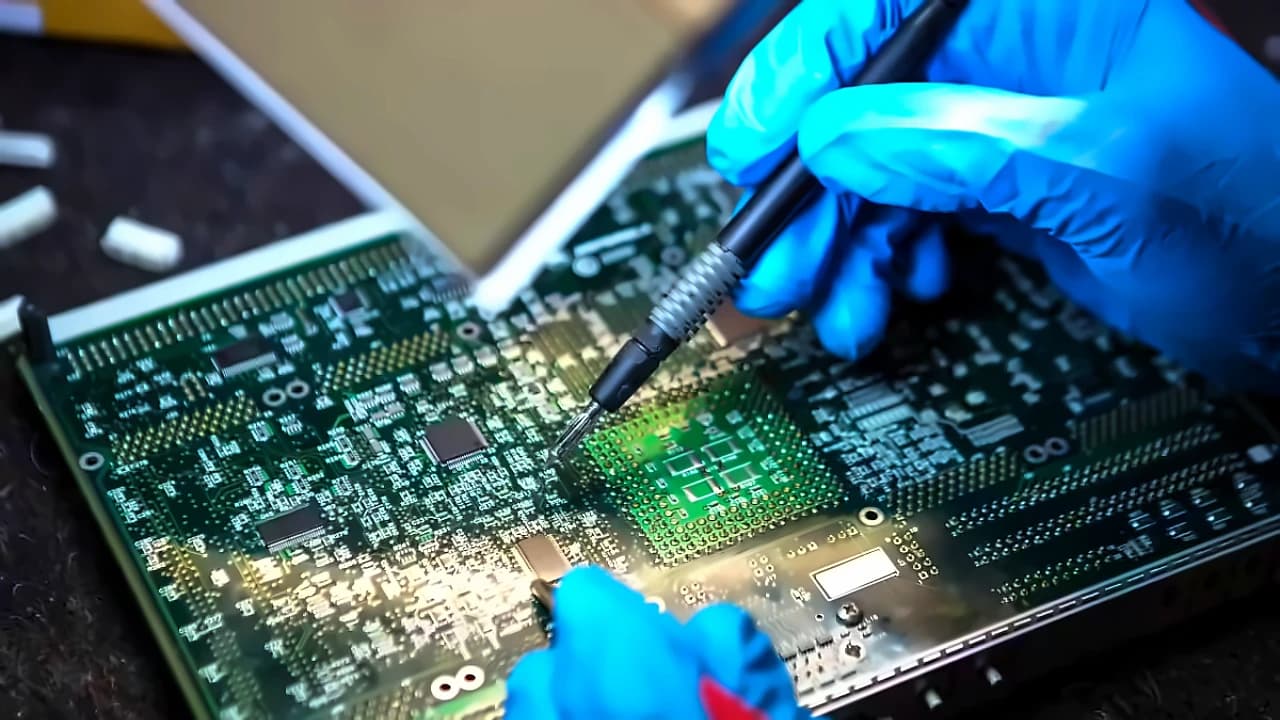
Elon Musk-led SpaceX is implementing comprehensive supply chain controls by excluding Chinese nationals and equipment from facilities manufacturing products for the company. According to reports from Nikkei Asia, the US rocket and satellite maker is conducting detailed supplier audits and asking partners worldwide not to deploy Chinese nationals at factories making SpaceX products. One industry executive told Nikkei Asia that SpaceX checks whether any managers, engineers or employees at supplier plants are Chinese nationals, and if they are involved in SpaceX projects, suppliers are asked to replace them with non-Chinese nationals.
The company avoids purchasing critical components from Chinese suppliers or manufacturing facilities based in China, regardless of ownership. As reported by Nikkei Asia, another supplier executive stated that products supplied to SpaceX cannot include parts made by Chinese companies, and even engineers assigned to support SpaceX projects must be non-Chinese nationals. If these conditions are not met, products may not receive approval from SpaceX. Industry managers told Nikkei Asia that SpaceX inspectors review factory systems, including surveillance cameras and networking equipment, and suppliers have been asked to replace equipment made by Chinese companies such as Hikvision and TP-Link, even at factories located outside China.
SpaceX is developing what it calls an 'NCNT' (non-China, non-Taiwan) supply chain to reduce disruption risks if tensions between China and Taiwan increase. According to Nikkei Asia, Beijing continues to claim Taiwan as its territory and has not ruled out using force to bring the island under its control. The company plays a major role in several US space missions, including NASA's Artemis programme, making its technology strategically important for US national security. SpaceX's approach goes further than many consumer electronics companies, as sources told Nikkei Asia that companies such as HP and Dell Technologies have been building separate supply chains for different markets.
SpaceX made its stock market debut on June 12 after pricing shares at $135 each, raising a record $75 billion by selling 555.56 million shares and valuing the company at about $1.77 trillion. At the time, it became the largest initial public offering in US history, surpassing Saudi Aramco's 2019 listing. However, as reported by Nikkei Asia, the company's market value has since fallen by more than 40% from its peak, despite its strategic importance in US space missions.