SpaceX has secured a $4.16 billion contract to build satellites for President Trump's Golden Dome defensive shield, marking a significant milestone in the company's defense sector expansion. The contract was awarded under the fast-track Other Transactional Authority procedure, designed to cut procurement red tape and increase competition. According to a US Space Force statement, the space-based tracking network will integrate space sensors, communication systems, and AI-enabled ground processing to detect airborne threats from orbit, potentially eliminating ground-based blind spots that have historically limited detection capabilities.
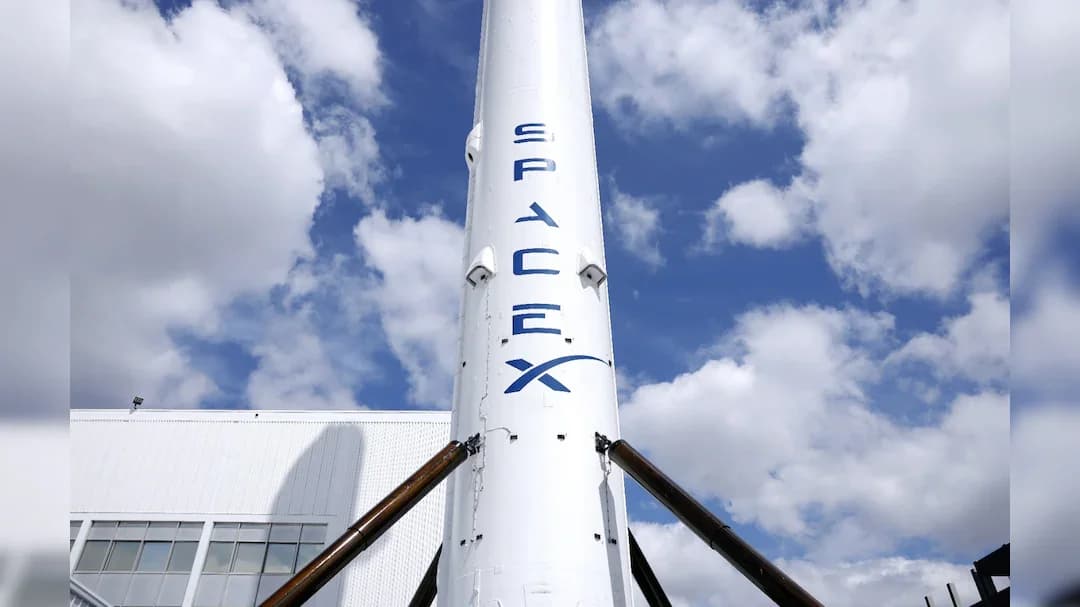
SpaceX is currently targeting a valuation of at least $1.8 trillion in its initial public offering, according to people familiar with the matter, as reported by Bloomberg News. This represents a lowering from the previous target of above $2 trillion that was reported in April. The target is settling lower after consultations with advisers and investors, with details of an IPO such as size and valuation typically adjusted ahead of pricing based on feedback from stakeholders.
SpaceX is seeking to raise as much as $75 billion, which would make it the biggest IPO of all time. According to Bloomberg News, the company is expected to start formal marketing of its IPO as soon as June 4 and to price as early as June 11. The trading timeline could be delayed by a matter of days, with deliberations ongoing and the company potentially deciding to increase its target valuation depending on investor feedback during the marketing process.
SpaceX reported $18.7 billion in revenue in 2025, up from $14 billion the previous year, according to the company's IPO filing. During that period, the company swung from a profit of $791 million in 2024 to a loss of $4.94 billion last year. The company announced in February it had acquired Musk's xAI, housing the Grok chatbot and social media platform X, which gave SpaceX a valuation of $1 trillion at the time and xAI a value of $250 billion.
SpaceX's defense involvement extends beyond Golden Dome to include military communications through its Starshield platform, a classified and encrypted version of Starlink, and Falcon-9 rockets for delivering critical national security satellites. In March, Space Force General Michael Guetlein announced that Golden Dome's first stage price would increase to $185 billion to accelerate development, with the system expected to demonstrate operational capability by the end of Trump's term in 2028. The Space Force anticipates announcing additional awards this year as the project utilizes multiple commercial vendors.