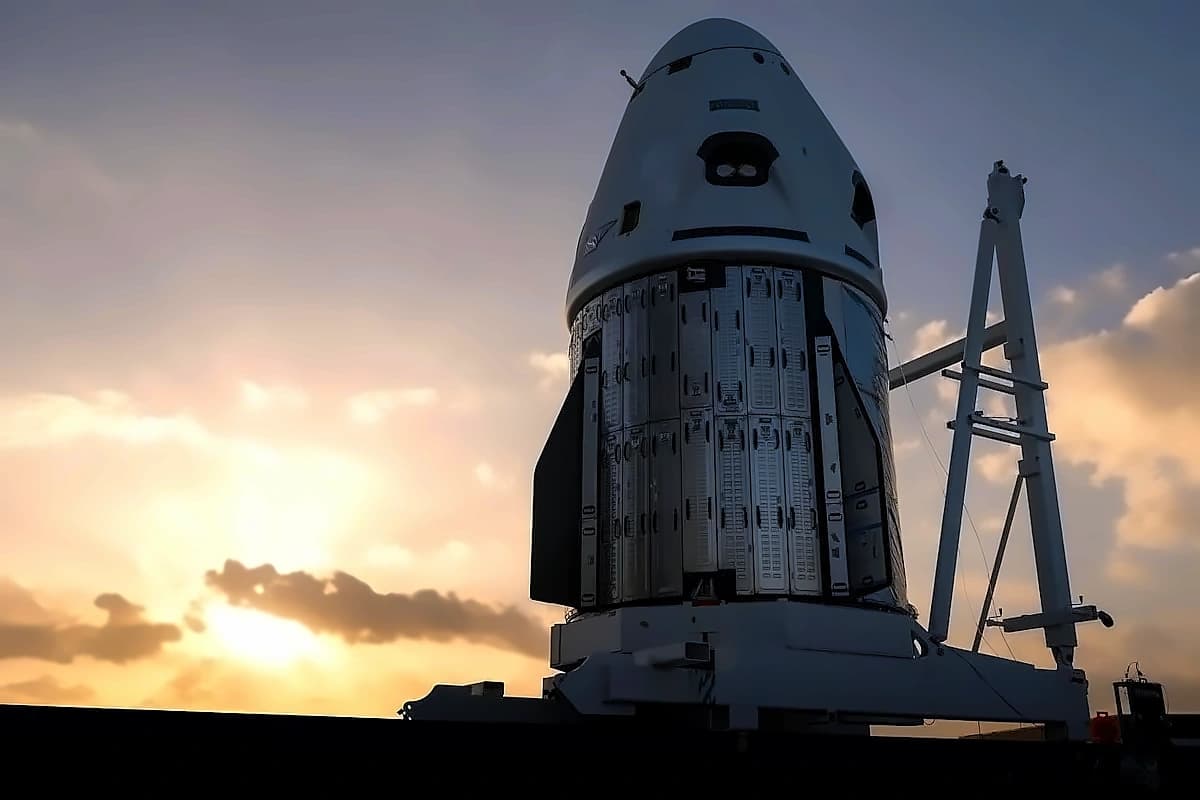
SpaceX could unveil key details of its long-awaited IPO as early as Wednesday, potentially giving investors their first detailed look at the offering before marketing begins. According to Bloomberg, the company plans to raise $75 billion by selling 555.6 million shares at $135 each, implying a valuation of $1.75 trillion to $1.8 trillion and comfortably surpassing Saudi Aramco's $29.4 billion IPO in 2019. The deal is reportedly structured as an all-primary offering, with all proceeds flowing directly to SpaceX and existing shareholders barred from selling stock during the IPO. Reuters reports that pricing is targeted for June 11, with a roadshow expected to begin shortly after the updated filing.
SpaceX achieved a 28% jump on its market debut, clinching a valuation exceeding $2 trillion as both institutional investors and retail traders piled onto the world's biggest stock market listing. However, the excitement proved short-lived as investors rushed to lock in gains on the same day. As Chris Beauchamp, chief market analyst at UK-based broker IG Group, noted, "The space sector has seen a strong run up ... and profit-taking is that lazy sort of excuse of why things have gone down. But I think, inevitably, people would be concerned that the hype can't quite live up to expectations." Morningstar has assigned SpaceX a $780 billion fair value estimate, calling the shares likely "overvalued" at the proposed IPO valuation, with a valuation above $1.5 trillion likely leading to overvaluation under almost any near-term scenario.
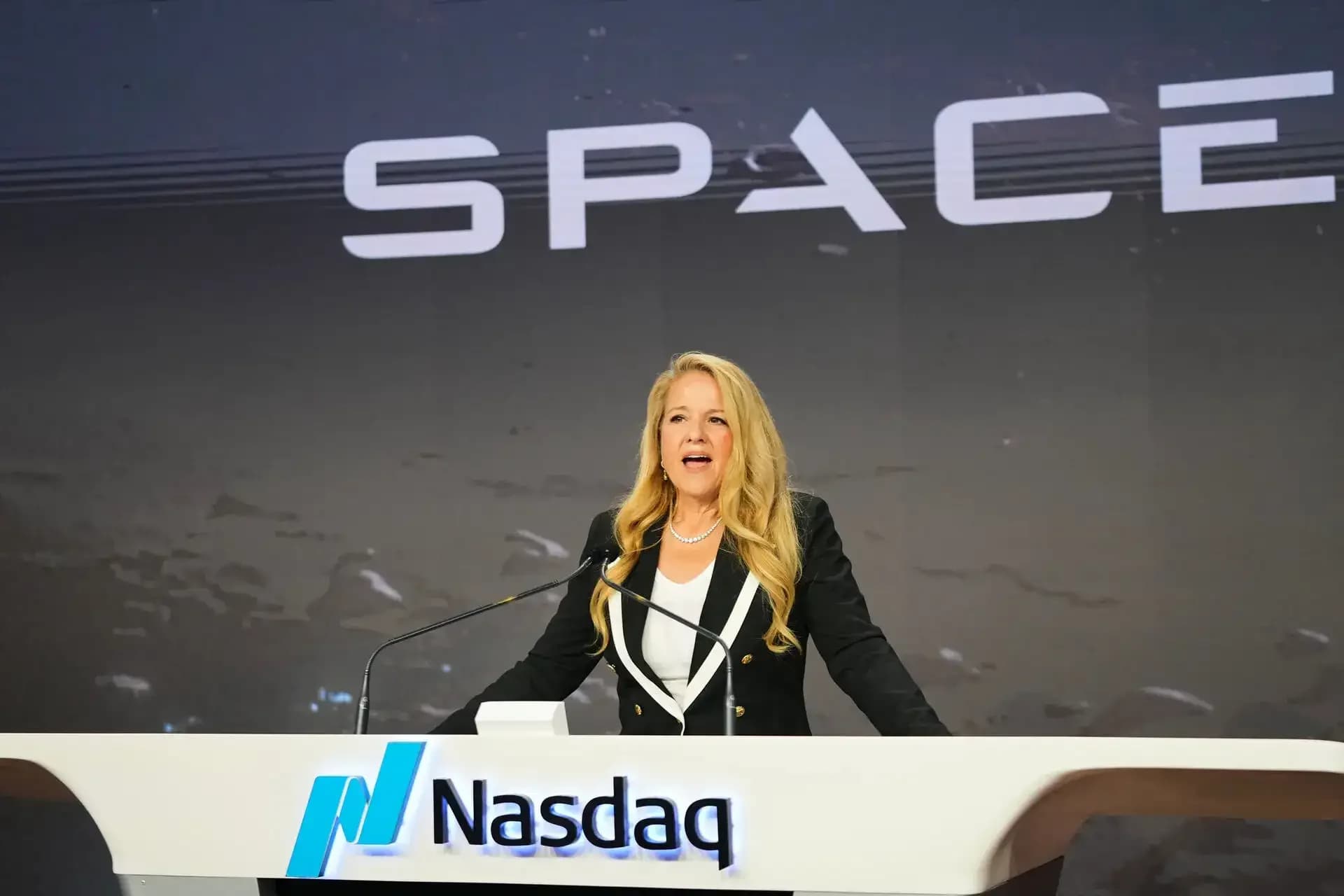
Virgin Galactic emerged as the standout performer in the space sector rally, soaring on Thursday amid heightened optimism for space stocks ahead of the SpaceX debut on June 12. The stock has recovered from being down about 35% versus its recent high, with investors rotating into publicly traded space stocks as a means of gaining sector exposure before SpaceX hits the market. Following recent gains, Virgin Galactic sits firmly above its key moving averages with an RSI in the mid-60s indicating intense buying pressure. The company has completed a partial debt-for-equity exchange, redeeming more than $30 million of its 9.8% First Lien Notes due 2028, a meaningful step toward cleaning up its capital structure.
U.S. space stocks experienced significant declines on Friday, with Rocket Lab and Planet Labs slumping about 8% each, while Intuitive Machines plunged 11%. As reported by Reuters, AST SpaceMobile, a much smaller rival to SpaceX's Starlink satellite business, fell more than 12%. Virgin Galactic sank 28%, with the stock having surged more than 20% on Thursday due to some investors confusing it with SpaceX. Space-focused exchange-traded funds also declined, with Procure Space ETF, Ark Space & Defense Innovation ETF and Roundhill Space and Technology ETF falling between 1% and 6%. So far this year, space stocks are up between 34% and 89% through the last close.
The slump could represent a classic case of 'capital recycling' where institutional investors may be trimming positions in smaller pure-play peers to free up the massive liquidity and portfolio allocation needed to anchor the SpaceX juggernaut. Talley Léger, chief market strategist of The Wealth Consulting Group, noted that this could be investors rotating out of space stocks to make room for SpaceX in their portfolios, given the company's massive market debut and potential for continued growth in the space sector. "This could be a classic case of 'capital recycling' where institutional investors may be trimming positions in smaller pure-play peers to free up the massive liquidity and portfolio allocation needed to anchor the SpaceX juggernaut today," Léger explained.