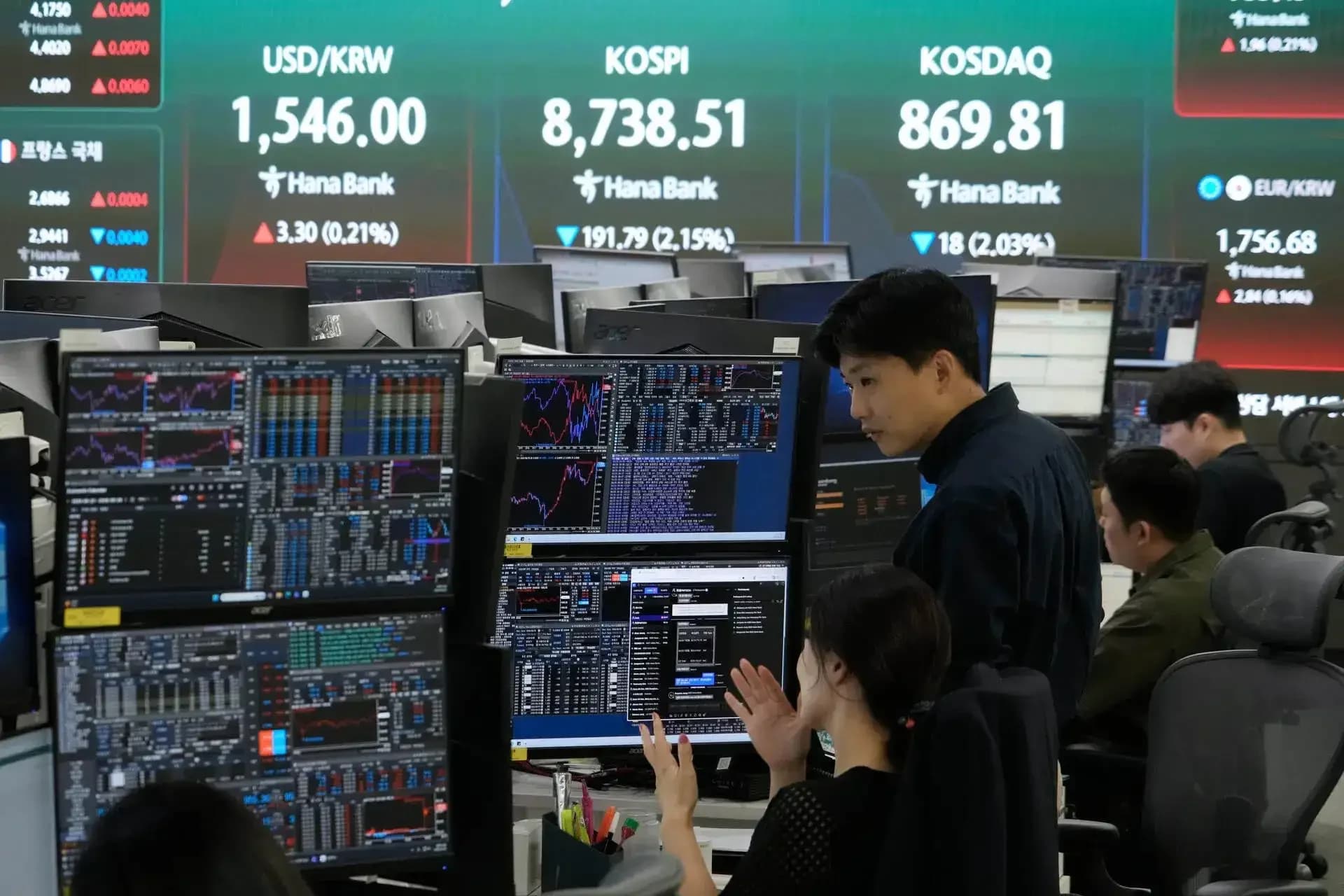
The conflict in West Asia has created significant challenges for Southeast Asian economies, with inflation surging to a three-year high in the Philippines due to the country's heavy reliance on fuel imports from the region. According to reports from Bloomberg Intelligence, earnings downgrades have been steepest in the Philippines and Thailand, reflecting the severity of the energy cost impact. Thailand's economy, which heavily depends on tourism, has also been affected by the prolonged conflict. Meanwhile, Indonesia and Malaysia have fared better due to stronger commodity prices that have helped offset rising energy costs. Since late February, the Strait of Hormuz that normally carries 25% of the world's seaborne oil and 20% of its liquefied natural gas (LNG) has faced severe disruption, creating immediate consequences for the region.

The aviation industry has been among the hardest hit sectors as more expensive tickets disrupt travel demand across the region. As reported by Bloomberg Intelligence, AirAsia X Bhd., Singapore Airlines Ltd., and Thai Airways International Pcl have all responded to rising jet fuel costs with fare hikes, fuel surcharges, route cuts and tighter spending controls. Vietnam Airlines JSC has activated contingency plans to continue operations amid the disruption. Airports of Thailand Pcl reported higher ticket prices and cancellations have started to hurt traffic, prompting the state-controlled airport operator to offer incentives and discounts to maintain business levels. For Southeast Asia, which imports 60% of its oil from the Middle East – a share projected to reach 70 to 80% within two decades, the consequences are particularly severe as Vietnam sources 80% of its crude from Kuwait and Thailand imports 90% of its crude oil.
Rising fuel and freight costs have significantly eroded household purchasing power across the region. According to Bloomberg Intelligence, fried chicken chain Jollibee Foods Corp. reported a 39% profit drop due to higher commodity and supply-chain expenses, prompting a review of its expansion plans. Charoen Pokphand Foods Pcl warned that transport and raw material prices could continue climbing as freight disruptions affect animal feed supplies. Casino operator Genting Singapore Ltd. flagged softer travel demand and weaker consumer sentiment as airfares and living costs rise, while Globe Telecom Inc. expects household budgets to be pressured by rising costs. The region's heavy dependence on Middle Eastern oil imports means these cost pressures are expected to persist as the conflict continues.
Industrial and petrochemical companies are grappling with significant supply disruptions as tensions around the Strait of Hormuz threaten the flow of key raw materials. As reported by Bloomberg Intelligence, Thai energy giant PTT Pcl warned of higher financing and procurement costs tied to crude purchases and has secured additional oil supplies from outside conflict zones. Siam Cement Pcl suspended part of its chemicals operations due to feedstock shortages. The tire industry faces particular pressure as Michelin warned a prolonged West Asia conflict could add more than €400 million ($465 million) in raw material, energy and logistics expenses. Dunlop and Falken maker Sumitomo Rubber Industries Ltd. said higher input costs were hurting profits and prompting price increases in some markets.
Healthcare and financial firms have begun experiencing secondary effects of the crisis. According to Bloomberg Intelligence, Bangkok Dusit Medical Services Pcl reported travel disruptions have cut the number of West Asian patients seeking treatment in Thailand, with higher living costs potentially leading consumers to delay non-essential procedures. In Malaysia, Karex Bhd., the world's biggest condom maker, is raising prices by as much as 30% as the conflict disrupts supplies of oil-based chemicals. Glove giant Top Glove Corp. Bhd. has also increased prices amid shortages of materials used to make nitrile gloves. Thai bank SCB X Pcl and Philippines' largest bank, BDO Unibank Inc, have increased loan-loss provisions as Southeast Asian lenders prepare for borrowers defaulting amid rising risks tied to slower growth and softer consumer demand.