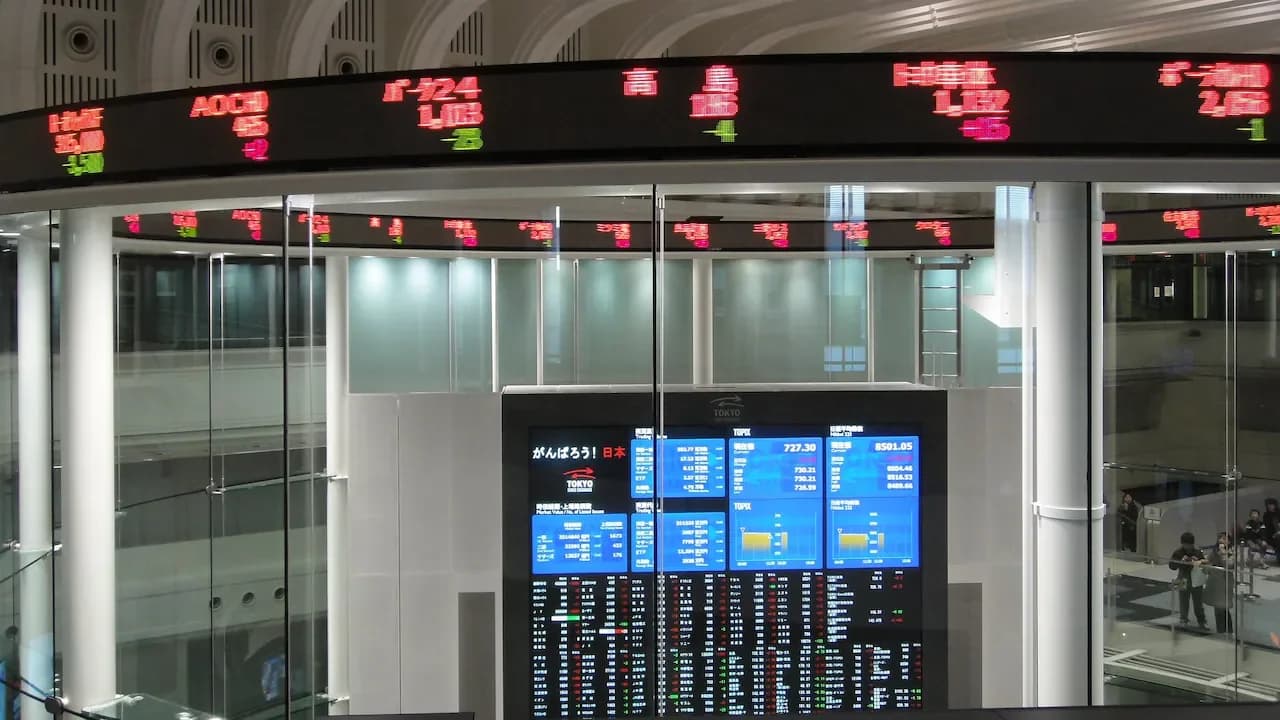
South Korea's economy delivered a robust performance in the first quarter of 2025, with GDP growing 1.8% between January and March compared to the preceding three months, according to Bank of Korea figures released on Tuesday. This figure exceeded the earlier estimate of 1.7% and represents the fastest quarterly growth rate since the 2021 fourth quarter. The strong performance was driven by artificial intelligence-driven exports and stronger consumption patterns, with exports surging 5.9% over the previous quarter due to surging semiconductor shipments. As reported by CNBC TV18, the growth was supported by stronger infrastructure investment and private consumption, with private consumption expanding 0.6% and facilities investment increasing 6.6%.
South Korea has significantly expanded eligibility for its premium Top-Tier Visa, also known as the Global Talent Visa, effective June 1, 2026. According to reports from Business Standard, the visa will now be available to professors and full-time researchers working in science, technology, engineering and mathematics (STEM) disciplines. Previously, the programme largely targeted professionals employed in advanced industries such as semiconductors, artificial intelligence, robotics, biotechnology and battery technology. The move reflects South Korea's emphasis on strengthening its research ecosystem and securing global expertise in critical technologies that are increasingly central to economic competitiveness.

For successful applicants, the expanded visa offers significant advantages beyond work authorisation. As reported by Business Standard, eligible individuals can access accelerated pathways to permanent residency and other settlement-related benefits, making South Korea a more attractive long-term destination for global talent. The development is particularly relevant for Indian researchers, scientists and academics, many of whom already have a strong presence in global technology and research institutions. Indian PhD holders, university faculty members and researchers working in STEM fields may now find it easier to qualify for South Korea's premium immigration route if they meet the eligibility requirements.
Alongside the talent visa expansion, South Korea's Ministry of Justice has eased restrictions on hiring skilled foreign workers in sectors facing persistent labour shortages. According to Business Standard, businesses in agriculture, livestock and fisheries can now employ skilled foreign workers equivalent to up to 50 per cent of their Korean workforce, up from the previous limit of 30 per cent. The higher cap is expected to benefit small and medium-sized enterprises that have struggled to recruit enough local workers in rural and primary industries. Additionally, companies employing fewer than four Korean workers can now hire up to two foreign skilled workers regardless of workforce ratios.
The strong economic performance has reinforced the Bank of Korea's increasingly hawkish monetary policy stance. According to CNBC TV18, the central bank increased its forecast for economic growth in 2025, stating that real GDP grew 1.1% last year compared to a prior projection of 1%. The board's dot plot contains predictions for the benchmark rate as high as 3.25% in the upcoming six months, though two board members dissented in favour of raising rates last month. As reported by CNBC TV18, Bank of Korea Governor Shin noted that trade-offs usually complicating monetary policy decisions are lessening as inflation, growth, the exchange rate, and housing-related financial risks all point in the same direction.