Asian markets experienced a broad sell-off with MSCI's broadest index of Asia-Pacific shares outside Japan down 3.2%, led by a drop of as much as 6.4% in South Korean shares and an 8.6% decline at the worst point in Taiwan. The crash follows SoftBank Group's 14% plunge in Tokyo on Wednesday, which had led the initial sell-off across Asian tech stocks. The latest decline represents a continuation of the AI-driven market rout that has gripped global markets, with investor anxiety over artificial intelligence boom triggering steep declines across technology sectors. According to Business Standard, the sell-off demonstrates how quickly confidence in AI-linked companies can turn, creating widespread market volatility across the region.
Several Japanese chip equipment makers lost more than 10% in the sell-off, with Advantest falling 12.7% and Tokyo Electron dropping 11.82%. Tokyo Electron's equipment serves Taiwan Semiconductor Manufacturing Co. (TSMC), which manufactures chips for Nvidia. Lasertec, which makes chip inspection tools, fell 10.15%, while Disco Corporation and Renesas Electronics lost 9.41% and 9% respectively. The effect had even spread to South Korea, where LG Innotek lost 3.8%. The latest crash shows how the AI sell-off has intensified, with chip equipment companies bearing the brunt of the market correction.
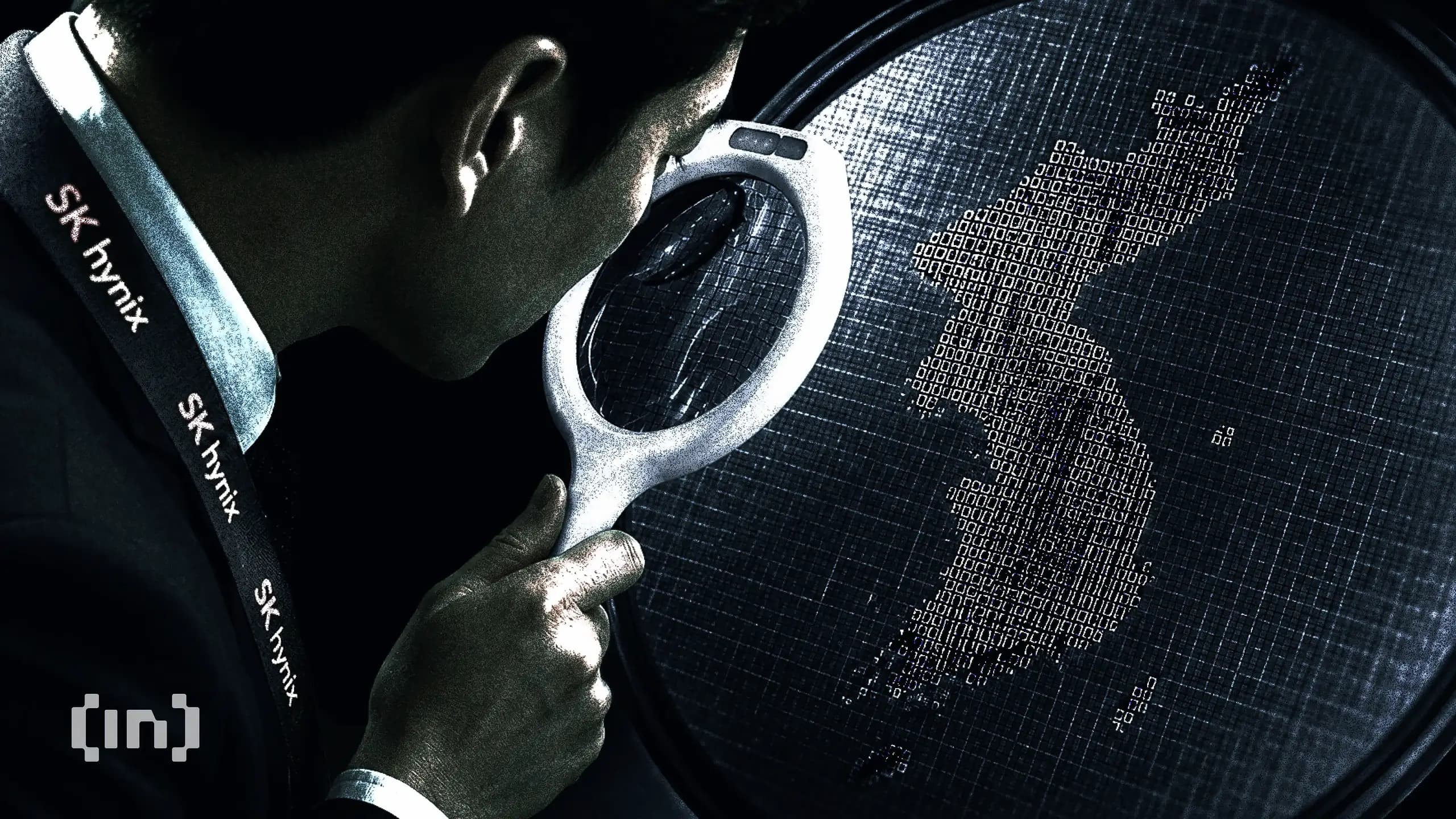
South Korea's Samsung and SK Hynix both make high-bandwidth memory (HBM), which AI accelerators use. The selling pressure extended to other South Korean companies, with Samsung and SK Hynix both tumbling more than 7%. Both companies are key suppliers of high-bandwidth memory chips, a fast type of memory that AI accelerators need to process huge volumes of data. The losses followed a fall in US technology shares overnight, with Wall Street's weakness feeding straight into Asian trading. The latest market crash has intensified the pressure on these memory giants, which are critical suppliers to the AI ecosystem.
The Asian market crash was compounded by fresh US tariff threats, with the US Trade Representative's office preparing to release findings of a probe that could pave the way for new tariffs on 16 major US trading partners, including China and the EU. As per Business Standard, Hua Nan Securities analyst Kevin Su noted that "mainly it's the impact of the tariff issue." Japan's Nikkei 225 fell as much as 3.7%, while S&P 500 e-mini futures were 0.6% lower. The moves followed data showing US consumer confidence increased by more than expected in November, touching its highest level in nearly two years, though Wall Street stocks closed mixed with the S&P 500 down 0.5% and the Nasdaq Composite off 1.5%.
AI-linked stocks extended their slide in premarket trading as investors reassessed the rising cost of infrastructure spending, with chipmakers, server manufacturers and data centre operators facing pressure over uncertain returns. According to Business Standard, investors have set a high bar for AI-linked companies, punishing shortfalls and offering little reward for beating expectations and raising outlooks. Dell Technologies slumped 7.2% despite raising its annual revenue and profit forecasts for the third time this year and approving an additional $25 billion share buyback. HPE tumbled 16.3% on Tuesday after raising its full-year revenue outlook, while Nvidia fell 4.6%, extending Tuesday's 6% slide as the rally sparked by CEO Jensen Huang's rehiring quickly lost steam. Anthropic dropped 5.6%, trading well below its $83 initial public offering price just days after the Claude developer's record-breaking Nasdaq debut.