Saudi Arabia resumed operations at King Khalid International Airport in Riyadh on Sunday, operating Terminal 1 for domestic flights and Terminal 2 for international flights by national carriers. According to reports from Business Standard, this partial reopening comes despite ongoing threats from Yemen's Iran-aligned Houthis, who have vowed to continue striking the facility. Houthi military spokesperson Yahya Saree declared that the airport would 'never be safe' and urged airlines, airport staff, and travelers to avoid using the facility. The airport's website showed several domestic and international flights scheduled on Sunday, including arrivals from Dubai, Paris and Cairo, though Flightradar24 tracking data indicated a small number of flights had departed with the vast majority cancelled.
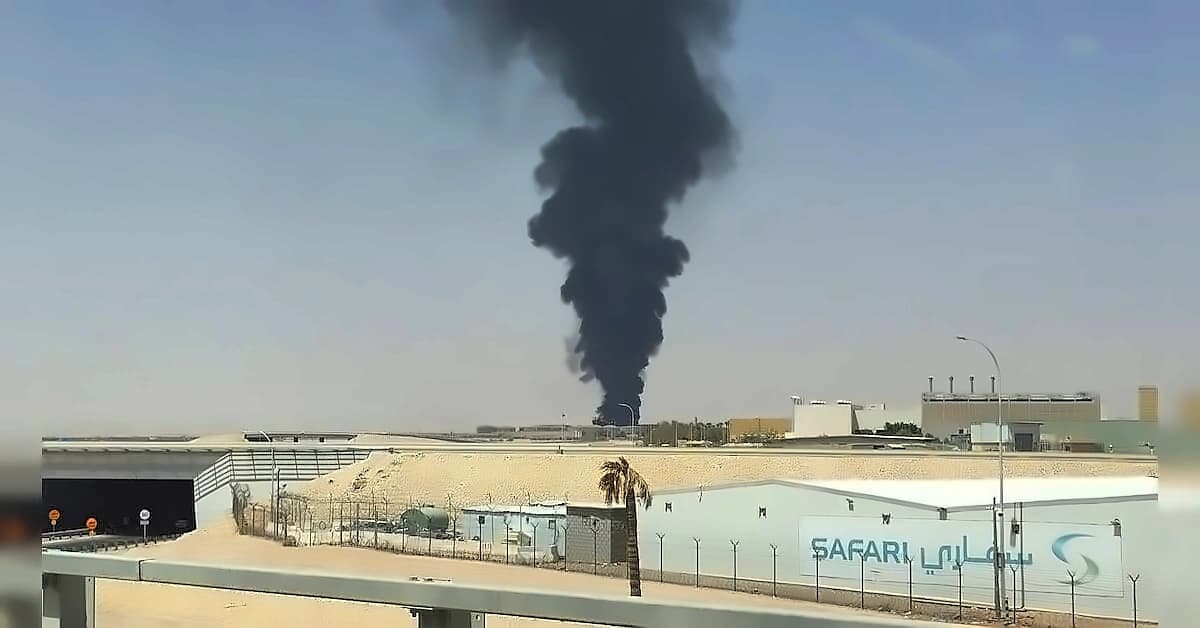
The airport had halted operations on October 10 following a Houthi attack that killed 13 people and wounded more than 300, marking the deadliest incident in the kingdom in more than a decade. As reported by Business Standard, the Saudi-led coalition stated that the Houthis conducted 20 attacks on the airport between October 1 and 11. The airport closure was a major blow for Saudi Arabia, with the kingdom's flagship investment conference postponed until 2027 as residents scrambled to find alternatives to enter and exit the country. The renewed fighting has shattered a UN-brokered truce that had largely held since 2022, with Saudi Arabia stepping up strikes after the Houthis seized strategic territory along the Red Sea coast last month.
According to Business Standard reports, Saudi civil defense confirmed that shrapnel from interception of two ballistic missiles launched over Khamis Mushait and Ahad Rafidah injured two people and damaged residential buildings and vehicles. The coalition reported intercepting 10 ballistic missiles fired towards southern Saudi Arabia, with two drones and a ballistic missile launched towards Riyadh. The Houthis claimed attacks on the airport and Saudi oil facilities on Saturday, though Saudi authorities did not provide direct comments on these statements. Explosions rattled Riyadh early on Sunday after a text message was sent to residents warning of a hostile threat targeting the city.
As reported by Business Standard, the conflict has become an increasingly destabilizing element in the US-Israeli offensive against Iran, turning US ally Saudi Arabia into a pressure point in the wider war. The Houthis' seizure of strategic territory along the Red Sea coast has closed in on the Bab el-Mandeb Strait - a global maritime chokepoint and shipping route for Gulf oil producers. Saudi Arabia intervened in Yemen's civil war in 2015 at the head of a coalition supporting the internationally recognized government after the Houthis seized the capital Sanaa in 2014.
Despite the official announcement of partial airport reopening, flight tracking data from Flightradar24 showed little traffic at the airport on Sunday, according to Business Standard reports. The Houthis have called the airport a 'military target' and continue to vow strikes, creating uncertainty for airline operations and passenger travel to and from the kingdom's capital. The prestigious motor sport race, the Dakar Rally, also added its name to a long list of events cancelled, postponed or relocated amid the fallout from the war.