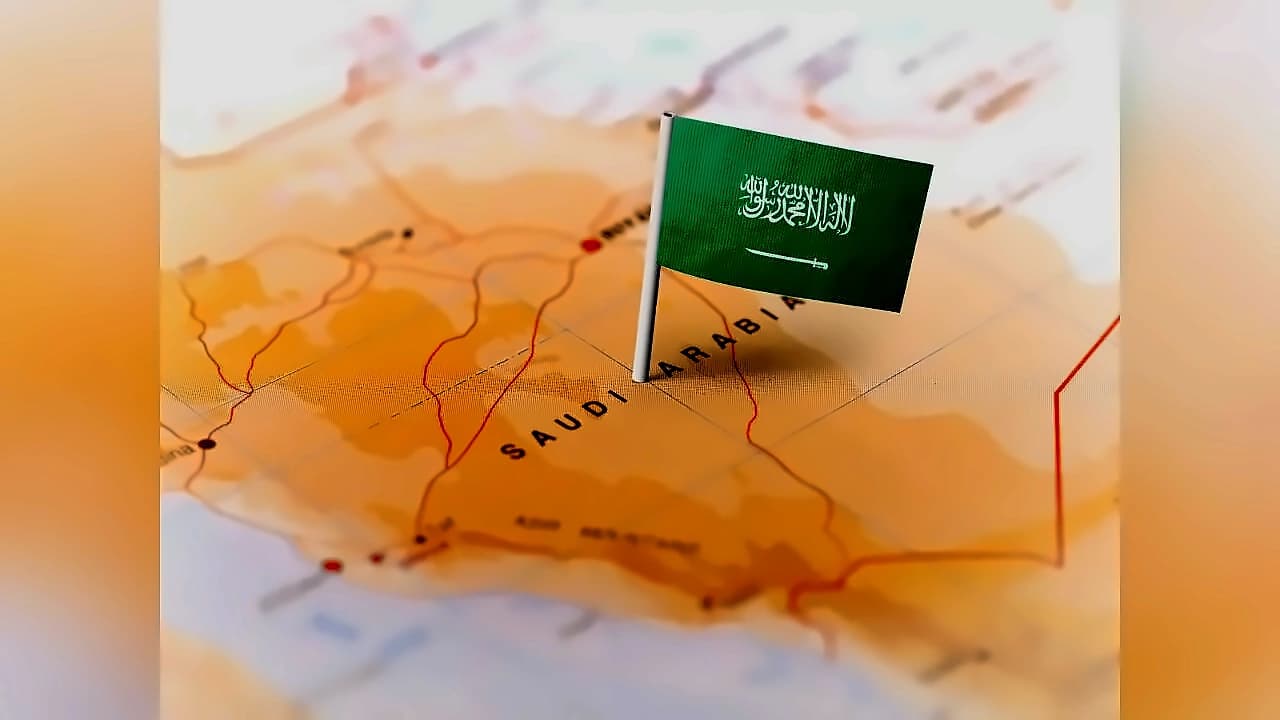
Saudi Arabia has reportedly discussed the possibility of a Middle East non-aggression framework with Iran as part of broader efforts to stabilize regional tensions following the US-Israel war involving Tehran. According to the Financial Times, there has been no official confirmation from Saudi authorities, but early-stage discussions are examining models similar to the 1975 Helsinki Accords, which were designed to ease Cold War-era rivalries and encourage cooperation between competing blocs. The United States and Israel launched the war against Iran on February 28, with the White House announcing a two-week mutual ceasefire on April 7. Gulf states remain concerned about long-term regional instability, particularly in relation to Iran's missile and drone capabilities, as well as ongoing tensions involving Israel, Gaza, Lebanon, and Syria.
Diplomatic sources cited in the report said Riyadh is examining whether a framework similar to the 1975 Helsinki Accords could help stabilise the region. The Helsinki model emerged during the Cold War when rival blocs led by the United States and the Soviet Union agreed to a set of principles under the 1975 Helsinki Accords. The framework focused on territorial integrity, non-interference, confidence-building measures and political dialogue, helping reduce mistrust between East and West despite deep ideological divisions. Gulf states are reportedly exploring a post-war non-aggression pact with Iran amid concerns of renewed instability and a more volatile regional environment if US military presence declines. According to the Financial Times, European governments and EU institutions have expressed support for the proposal, encouraging Gulf states to consider it as a way to reduce the risk of renewed escalation and to offer security guarantees to Iran and neighboring countries. They see it as a preventive diplomatic framework that could lower the chances of another regional conflict while stabilizing broader Middle East security dynamics.
The discussions come amid heightened instability following months of confrontation involving Iran, the United States and Israel. The conflict has seen escalating military threats, attacks on strategic assets, disruptions to regional shipping routes and fears of a wider war that could destabilise global energy markets. According to Tehran, 3,375 Iranians have been killed in US-Israeli strikes during the 40 days of hostilities. While Iran has emerged militarily strained, Gulf capitals remain cautious about the possibility of retaliatory actions through Tehran-backed regional proxies. European capitals and EU institutions have expressed support for the Saudi-led idea as a stabilizing measure, with some diplomats suggesting broad Arab, Muslim, and Iranian backing could be possible, though regional divisions remain. On April 11, Tehran and Washington held talks in Islamabad, but the parties failed to reach an agreement on a long-term settlement to the conflict due to a number of disagreements. The war has deepened anger across parts of the Arab and Muslim world over Israeli military operations in Gaza, Lebanon and Syria, with many governments reportedly blaming Israeli Prime Minister Benjamin Netanyahu for pushing the region deeper into conflict.

The report further noted that several regional countries, including Saudi Arabia, Pakistan, Türkiye, and Egypt, are expanding security and economic coordination in the aftermath of recent hostilities. Pakistan has proposed broadening its defense cooperation with Riyadh to include additional regional partners such as Qatar and Türkiye, reflecting broader regional efforts to reshape post-war alignments. According to Iranian state television, Tehran does not intend to recognize Washington's unilateral ceasefire extension and will act in accordance with its own interests. The biggest unresolved question remains whether Israel would be part of any future arrangement, as excluding Israel could make the pact ineffective because many countries in the region now increasingly view both Iran and Israel as major drivers of instability.
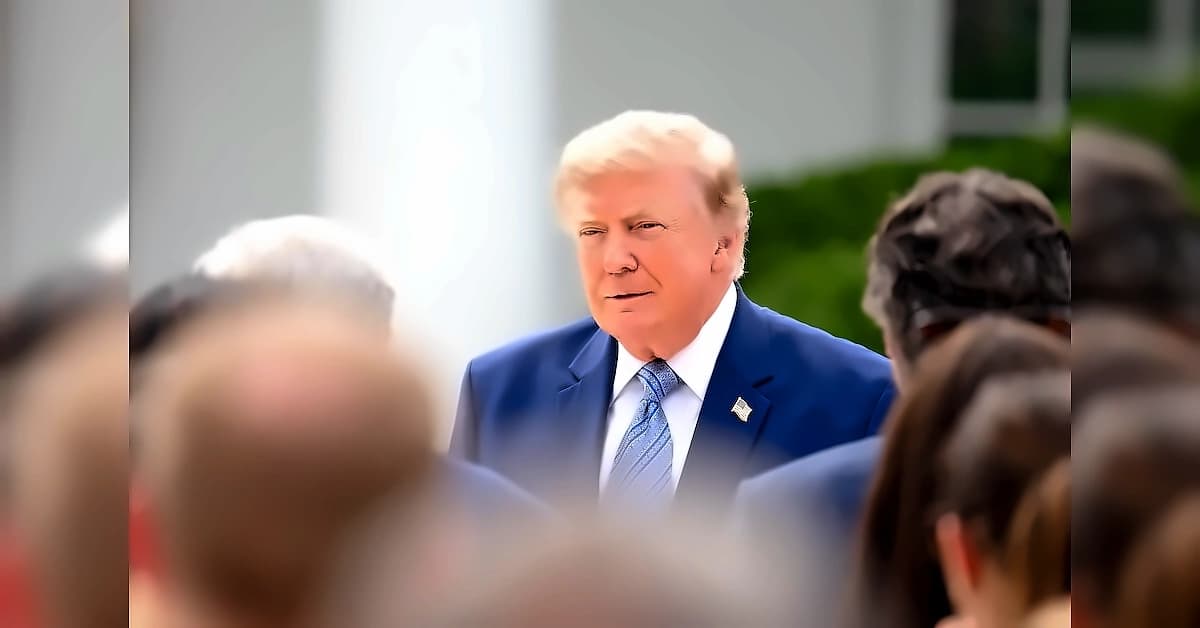
Saudi Arabia, which restored diplomatic ties with Iran in 2023 after years of hostility, is increasingly positioning itself as a stabilising force focused on economic diversification and regional investment security. According to the report, Saudi officials appear to believe a similar structure — even if limited in scope — could lower the risk of direct military confrontation between Iran and Arab Gulf states. The initiative represents Saudi Arabia's effort to navigate the complex regional dynamics while maintaining its position as a key player in Gulf stability efforts. The proposal comes as the US president Donald Trump announced his intention to extend the ceasefire with Iran on April 21, though Iranian state television indicated Tehran would not recognize this unilateral extension. The Saudi Arabian efforts have gained the support of European capitals and EU institutions, but it's unclear if Israel and the US would support the proposal. The war has exposed new anxieties across the region, particularly fears that a prolonged conflict could destabilise the entire Middle East while eventually reducing the American military presence that Gulf monarchies have long depended on for security.