South Korea's two largest chipmakers, Samsung Electronics and SK Hynix, have rejected a 25 trillion won ($18.7 billion) upfront payment proposal from state-run Korea Electric Power Corp (KEPCO) to fund electricity infrastructure for planned semiconductor clusters. According to a document submitted to lawmaker Lee Chul-gyu and shared with Reuters, the companies told KEPCO that accepting the proposal would be difficult following internal reviews. The rejection highlights significant concerns over uncertain chip demand and the substantial costs of expanding power infrastructure to support South Korea's semiconductor cluster strategy.
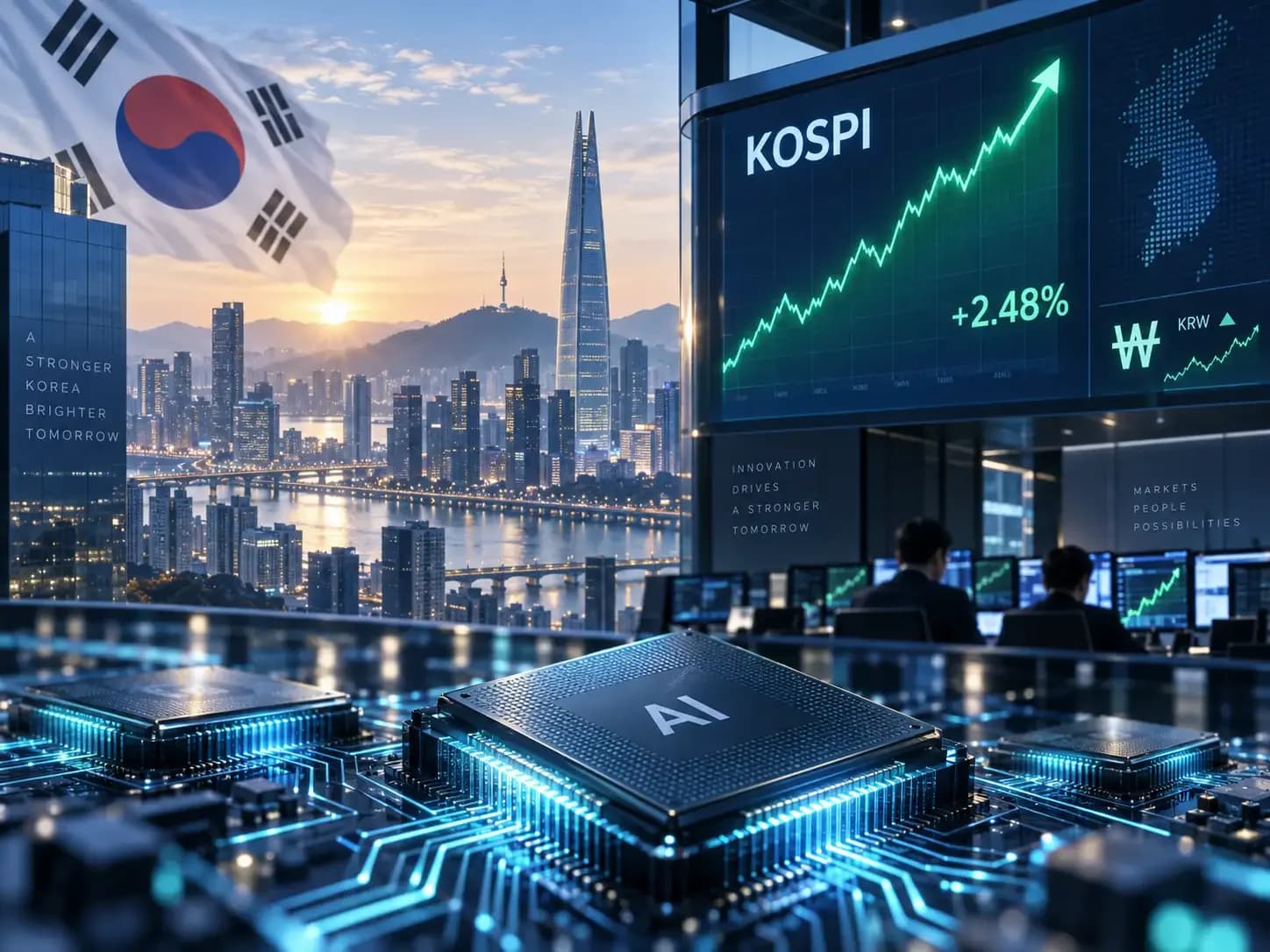
South Korea's two largest companies, Samsung Electronics and SK Hynix, have announced eye-popping shareholder return plans worth more than ₹130 trillion combined for this year alone. According to reports from Reuters, an AI-driven boom has left these companies flush with cash, fueling investor demands for larger payouts. However, the plans have not fully satisfied investors, with South Korea's benchmark KOSPI remaining about 26% below the record high reached in June. The muted reaction underscores the challenge facing President Lee Jae Myung's "Value-Up" programme, launched in 2024 to tackle the so-called Korea discount. As per The Economic Times, investors welcome the payouts but say more needs to be done to close the country's long-standing valuation gap.
Despite the record payouts, South Korean stocks continue to trade at significant discounts to global peers. As reported by Reuters, South Korean stocks are among the world's best performers this year, gaining 67% on the back of the AI boom and rising earnings expectations. However, the KOSPI trades at just 4.3 times expected 2027 earnings, the lowest valuation multiple in the region and well below the Asia-Pacific index's 11 times, according to Goldman Sachs data. Clarence Li, lead portfolio analyst at T. Rowe Price, noted that the Korea discount remains partly structural and will require sustained evidence across a much broader group of companies to participate. According to The Economic Times, the valuation gap suggests investors remain unconvinced that the improved shareholder returns announced by the two chipmakers represent a broader shift in corporate behaviour.
Samsung is distributing around ₹30 trillion in cash dividends this quarter as part of an estimated ₹90-110 trillion return programme for 2026, with details of remaining capital returns to be finalised in January. According to Reuters, portfolio manager Kim Kyu-shik from Singapore-based hedge fund Vista Global Asset Management described the announcement as "very disappointing" due to the lack of any commitment to buybacks. Kim noted that the conglomerate's ownership structure limits its ability to repurchase shares, as a large buyback programme could push holdings by key shareholders Samsung Life and Samsung Fire above regulatory ownership limits. As per The Economic Times, the absence of a firm commitment to buy back shares has disappointed some investors, who argue that buybacks could provide a stronger signal that Samsung considers its stock undervalued. Samsung told Reuters that shareholder returns were determined with shareholders at the centre of its decisions, while maintaining that buybacks were one of several available tools.
South Korea's government is advancing its AI infrastructure independence through domestic chip development. The National Information Society Agency (NIA) signed agreements on August 26 with FuriosaAI and Rebellions to purchase 10 billion won ($7.2 million) worth of NPU servers, with a total of 25 AI servers to be installed for government-wide AI services. The flagship service planned is an AI chatbot for public officials, expected to prioritize AI models from the country's independent AI foundation model project. This initiative aims to reduce reliance on Nvidia GPUs and support domestic AI chip companies, with NPUs offering higher performance per watt than GPUs for AI inference tasks.
Investors emphasize that the longer-term success of the Value-up programme will depend on whether other companies follow suit, particularly as participation remains voluntary. As reported by Reuters, Aadil Ebrahim from Klay Group noted that it is only going to be one of these two companies that takes the lead, with Samsung being more aggressive on buybacks than dividends. Signs of change are emerging, with Korea Exchange data showing companies have announced ₹39 trillion of share buybacks so far this year, already exceeding the combined total for 2024 and 2025. According to The Economic Times, there are signs that capital-return activity is increasing, with investors becoming more active in challenging corporate decisions they believe disadvantage minority shareholders. Proposals involving unfavourable spin-offs, acquisitions or rights offerings are facing greater scrutiny as investors push companies to improve capital allocation, though structural concerns remain around board oversight, concentrated ownership, chaebol structures and protections for minority shareholders.